Why These Myths Persist
The idea that life without a car in the suburbs is impractical - or outright impossible - is one of the most stubborn assumptions in American transportation thinking. It's rooted in decades of suburban design that prioritized cars above all else. But the landscape has shifted. Transit networks have expanded into many inner-ring suburbs. Delivery services now reach nearly every zip code. Carshare programs have moved beyond city centers. E-bikes cover distances that would have required a car a generation ago.
None of this means going car-free is easy everywhere, or the right choice for every household. But several specific beliefs people hold about suburban car-free living are simply not accurate. Understanding what's myth and what's reality is the first step to honestly evaluating your own mobility options - whether you're considering dropping a vehicle, reducing to one car, or just curious about the math.
See our overview of modern mobility options for a comprehensive look at every alternative available to American commuters today.
Myth
You can't get groceries without a car in the suburbs.
Fact
Grocery delivery, e-bikes with cargo capacity, and occasional carshare trips handle the vast majority of suburban grocery needs.
Grocery access is the concern people raise most often, and it's the one that's changed most dramatically. Major grocery chains and delivery platforms now serve most suburban zip codes, and scheduled deliveries can cover a week's worth of food for a flat fee or subscription cost that's often less than the gas and wear-and-tear of multiple weekly driving trips. For households that prefer shopping in person, cargo e-bikes handle a surprising amount of load, and carshare vehicles - available by the hour in many suburban areas - work well for the occasional large stock-up run.
Myth
Suburban transit is so infrequent it's completely unusable for commuting.
Fact
Transit quality varies enormously by suburb; many inner-ring communities have commuter rail or express bus service with reliable schedules.
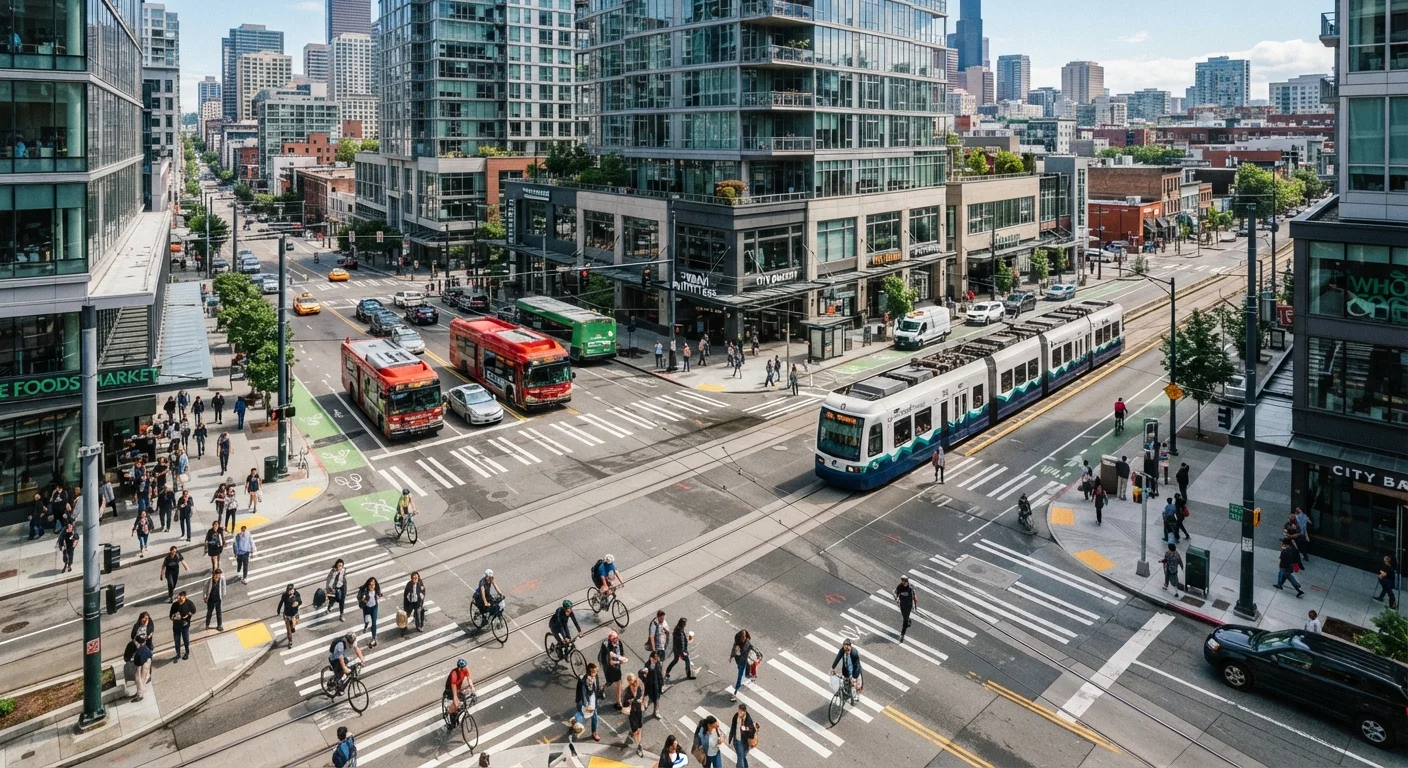
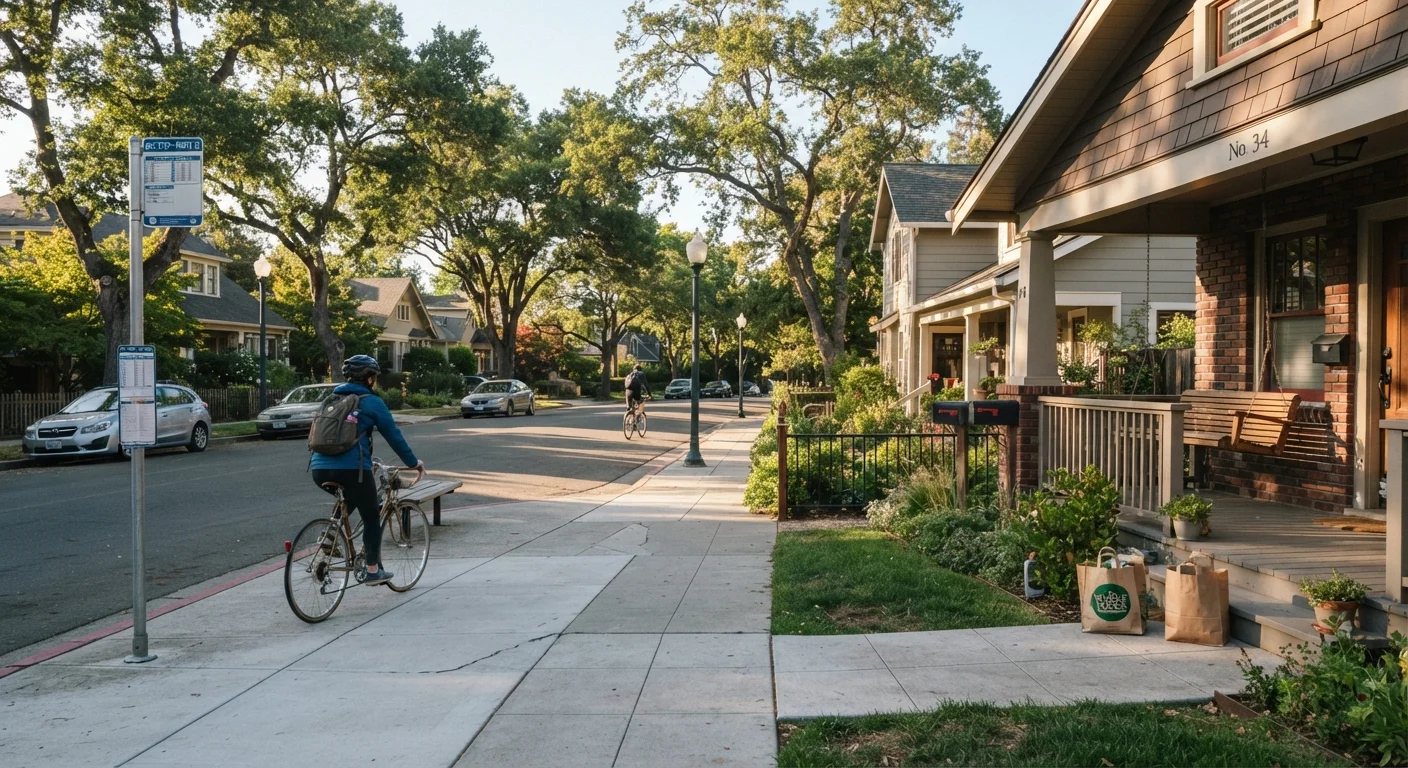
Lumping all suburbs together on transit quality is a significant mistake. First-ring suburbs adjacent to major cities often have commuter rail lines, bus rapid transit corridors, or express bus routes that run on schedules compatible with standard work hours. The real transit deserts tend to be newer, outer-ring developments built after 2000. Checking actual headways and route coverage for a specific address - rather than assuming based on the word "suburb" - frequently reveals better options than expected. Apps that aggregate real-time transit data make this research straightforward.
Myth
Living car-free in the suburbs only saves a little money compared to owning a vehicle.
Fact
The average annual cost of car ownership in the U.S. runs well into the thousands of dollars; eliminating it creates substantial financial breathing room.
AAA's annual driving cost studies have consistently found that the total cost of owning and operating a typical vehicle - including depreciation, insurance, financing, fuel, and maintenance - amounts to thousands of dollars per year for the average American driver. Even a household spending aggressively on rideshare, transit passes, and occasional carshare is unlikely to approach that figure unless their transportation needs are unusually high. The savings are real and meaningful, not marginal. The common car ownership myths that cost drivers money piece explores related misconceptions about what car ownership actually costs.
Myth
Going car-free means you're stuck at home whenever you need to travel somewhere distant.
Fact
Rideshare, carshare, and intercity transit cover occasional longer trips that fall outside everyday routines.
The trips that cause the most anxiety for prospective car-free suburbanites tend to be irregular but important: a medical appointment across town, an airport run, a family visit in a community without transit. In practice, these trips are exactly where on-demand services like rideshare and hourly carshare are most cost-effective - because you pay only when you actually travel, rather than maintaining a vehicle year-round to cover infrequent edge cases. For longer intercity trips, Amtrak and intercity bus services connect many suburban areas to regional hubs.
Myth
Car-free living in the suburbs only works for single people without kids.
Fact
Families in suburban areas successfully manage without cars using a mix of school transport, scheduled carpooling, and strategic use of carshare.
Families with children face real logistical complexity, but car-free suburban family life is not hypothetical - it exists and works in many communities. School buses handle a significant portion of children's daily transport. Organized carpooling with neighbors or other school families fills many extracurricular gaps. For predictable recurring trips that are hard to cover otherwise, a carshare membership provides access to a vehicle without the overhead of ownership. The key is shifting from assuming a car must always be available to planning trips intentionally - a habit that many one-car families already practice.
Making an Honest Assessment for Your Situation
Whether going car-free makes sense depends heavily on which suburb you're in - not just the broad category of "suburb." A first-ring community adjacent to a major city with commuter rail is a fundamentally different environment than a sprawling exurb built around a highway interchange. Before ruling anything out, look up your address on a walkability or transit-access tool, map your most frequent trips, and price out what those trips would cost via alternatives.
$12,000+
Average annual cost of car ownership
AAA's vehicle cost studies have found total annual ownership and operating costs for a typical new car frequently exceed $12,000 when depreciation, insurance, and financing are included.
45%
U.S. households within half-mile of transit
According to the American Public Transportation Association, a substantial share of American households live within a half-mile of some form of public transit service, including many suburban areas.
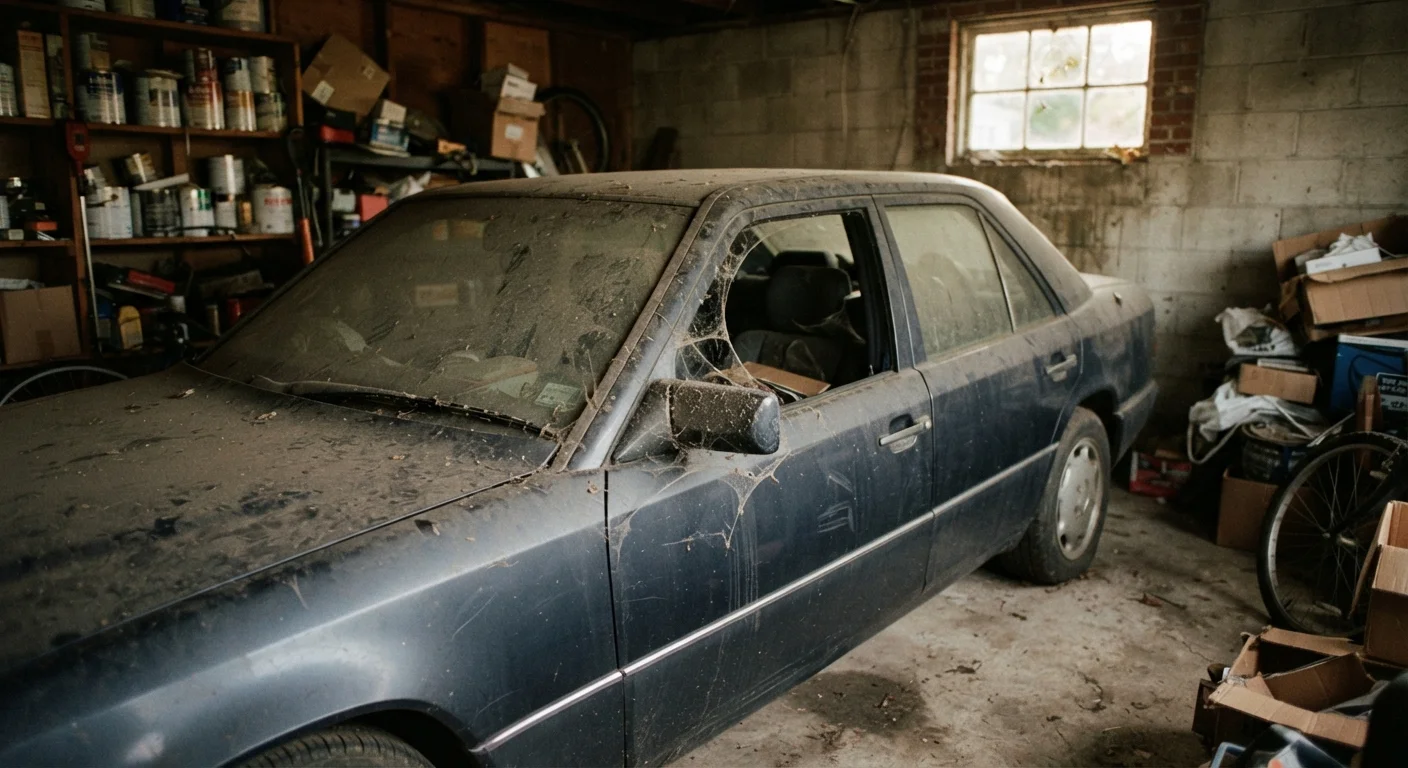
It's also worth questioning the baseline. Car ownership carries costs that are easy to undercount: insurance premiums, registration fees, loan interest, depreciation, parking, and maintenance. Our related piece on the real costs of a car that rarely moves walks through how fast those fixed costs accumulate even when mileage is low.
If fully eliminating a car feels like too large a leap, the one-car household model is another path worth examining. How families make one car work in a two-adult household shows that a hybrid approach - one vehicle plus strategic use of transit and rideshare - resolves most of the hard cases. And if you do decide to go car-free, structuring a car-free transportation budget can help you allocate spending across the mix of services that replaces a single vehicle.
This article is for general informational and educational purposes only. Transportation costs, transit availability, and service options vary significantly by location. Readers should research the specific services and infrastructure available in their area before making any mobility decisions.