The Core Idea Behind MaaS
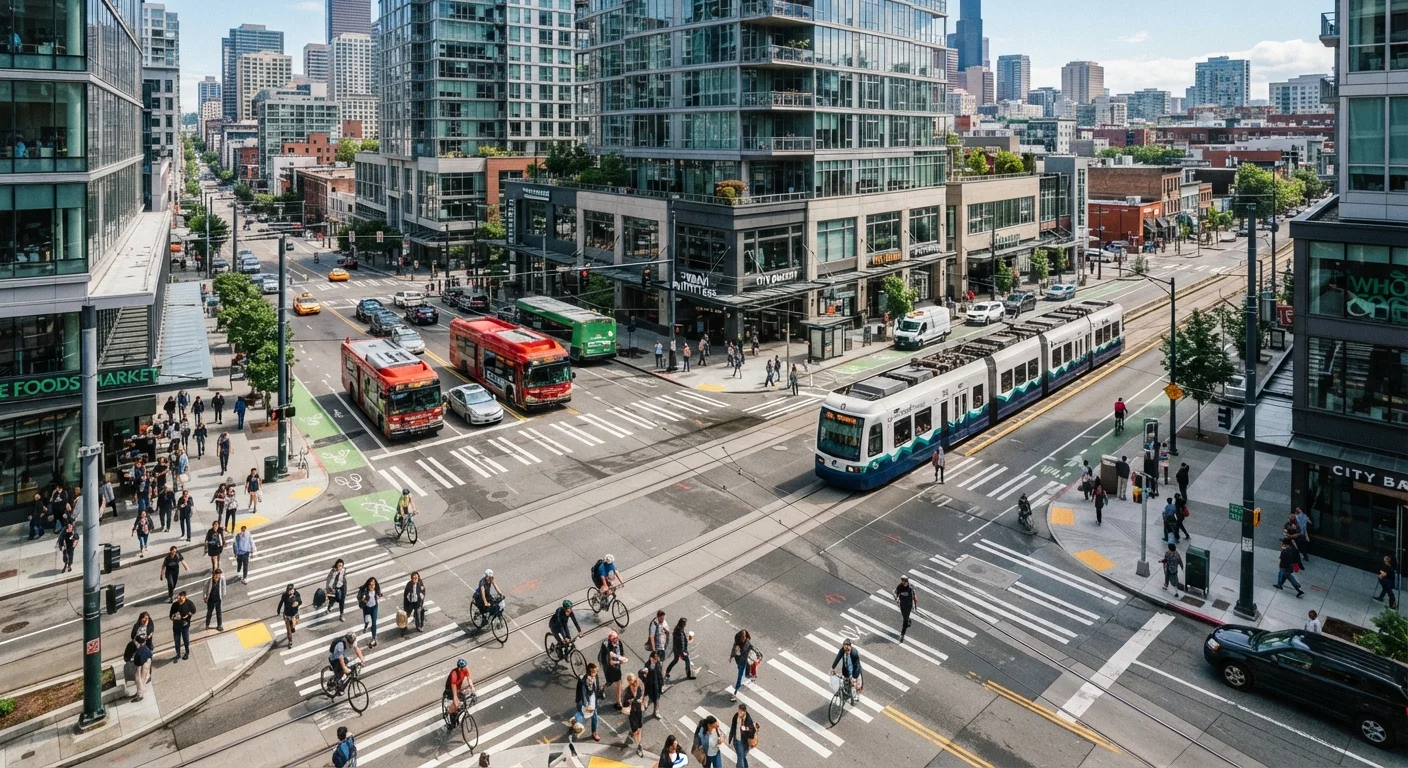
Mobility as a Service reframes how people think about transportation. Rather than owning a vehicle and defaulting to it for every trip, MaaS asks a simpler question: what's the most practical way to complete this specific journey? The platform then handles the logistics of combining modes-perhaps a bus to a rail station, then a shared e-bike for the last mile.
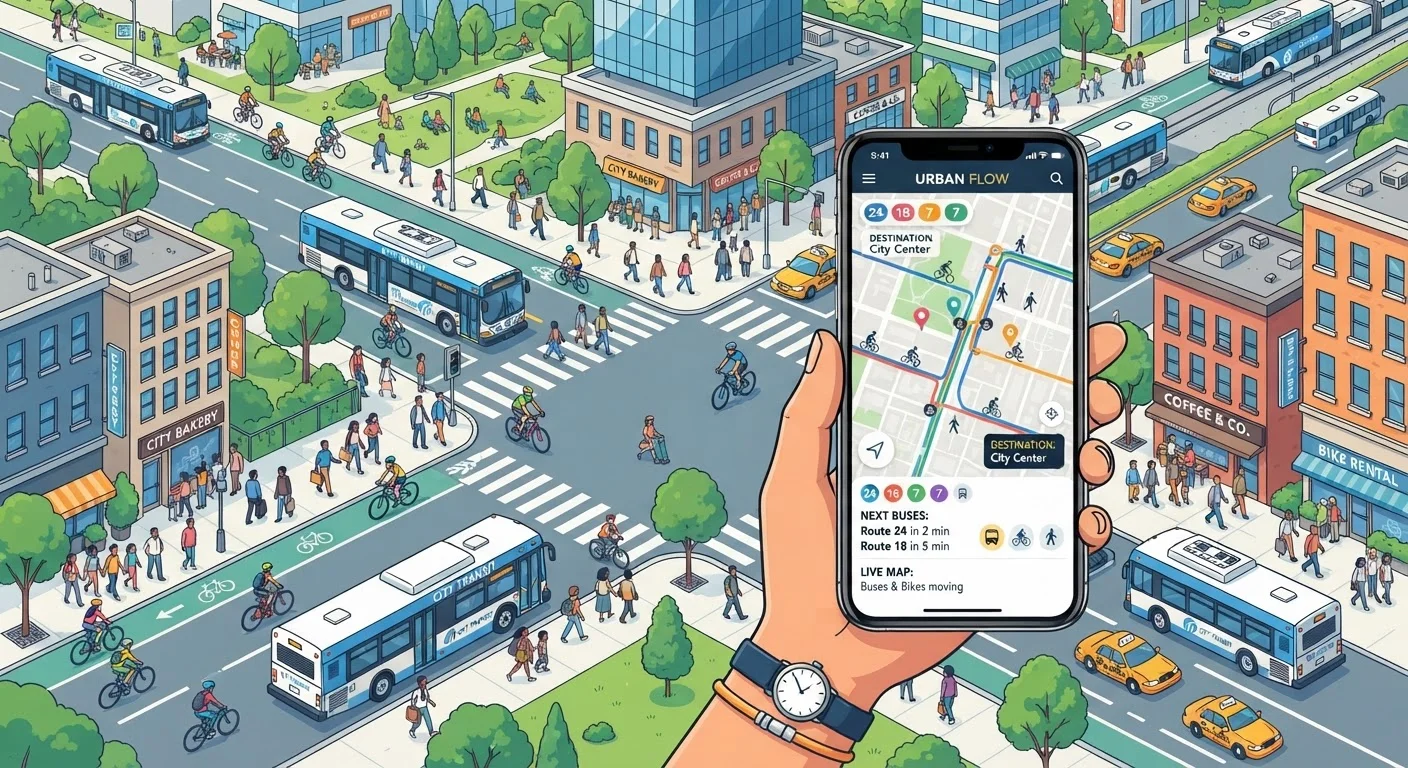
The concept gained traction in transportation policy circles around 2014-2016, particularly in Scandinavia, where Helsinki launched one of the first genuine MaaS apps. The underlying technology relies on transit agencies and private mobility providers sharing data through open application programming interfaces (APIs), which allow a single app to display real-time schedules, availability, and pricing across all connected services.
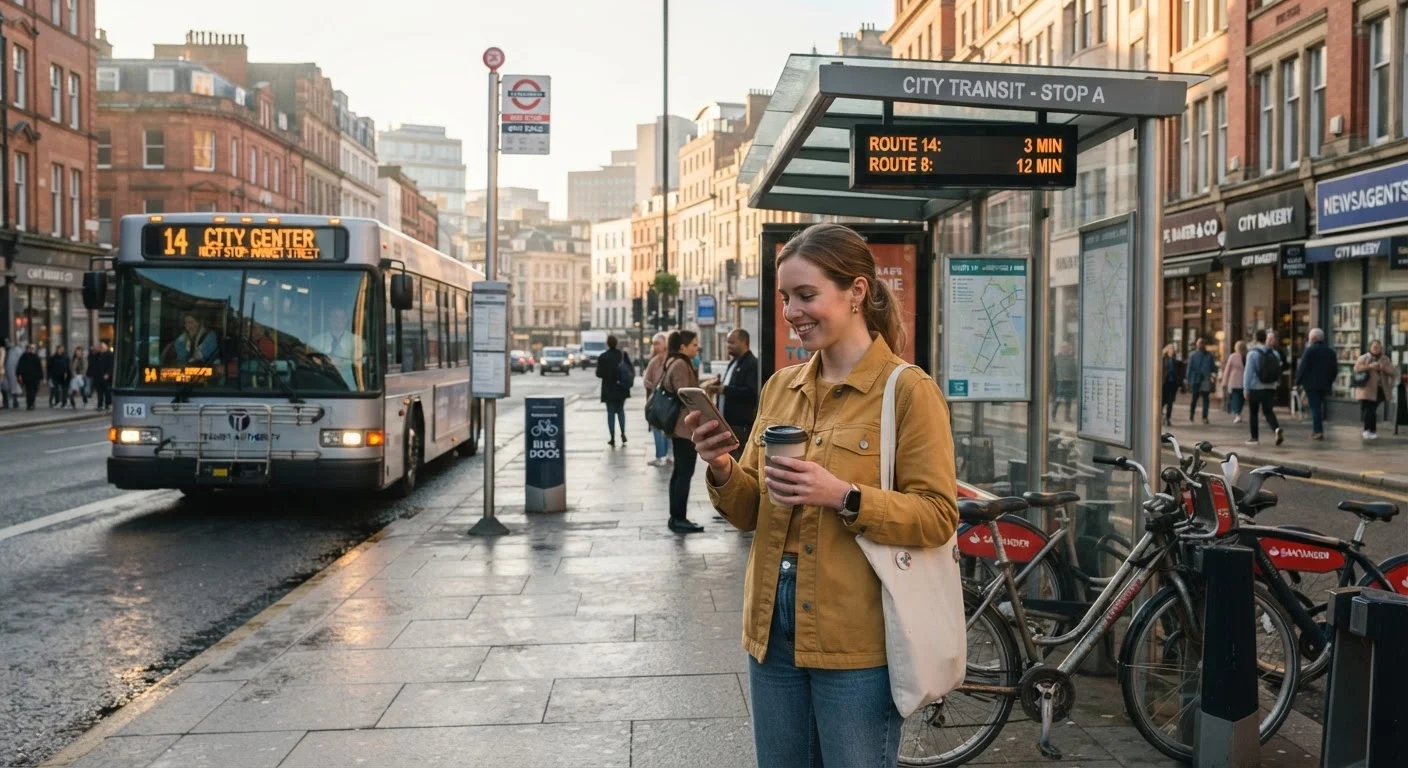
For everyday consumers, the practical promise is straightforward: less app-switching, one payment method, and a clearer picture of what a trip will actually cost before you commit. See our overview of modern mobility options for a broader look at what transportation alternatives already exist in American cities.
MaaS Is Not Yet Universal
Even in cities with active MaaS pilots, coverage gaps are common. Rural and suburban areas with limited transit infrastructure see far fewer MaaS benefits than dense urban cores. When evaluating whether MaaS is relevant to your situation, the strength of your local transit network is the most important factor to assess.
Where MaaS Stands in the United States
The U.S. is behind Europe in MaaS adoption, largely because American cities were built around car infrastructure and many transit networks are less dense. However, partial MaaS features have appeared in cities including Los Angeles, where Metro's app integrates bikeshare booking, and in the Twin Cities, which piloted a multimodal trip planner through a public-private partnership.
Private companies and transit agencies are both experimenting with the model. Some transit agencies are expanding their apps to include rideshare and micromobility connections, while technology firms are building third-party aggregator platforms. Neither approach has yet produced a seamless, city-wide MaaS experience in the U.S. at scale.
€1B+
Estimated global MaaS market investment by early 2020s
According to industry analysts tracking mobility sector venture and public funding, global investment in MaaS-related platforms has reached into the billions of euros, concentrated primarily in Europe and Asia.
~45%
U.S. households in areas with limited or no transit access
The American Public Transportation Association has noted that a significant share of Americans live in communities where public transit is minimal, which constrains MaaS viability outside major metro areas.
The practical implication for consumers: you may already be using partial MaaS features without realizing it. If your transit app shows bikeshare availability or lets you book a rideshare connection, that's the MaaS model in action-just not fully realized yet.
How MaaS Changes the Way You Budget for Transportation
One of the most tangible shifts MaaS introduces is in how transportation spending becomes visible. When you own a car, costs are spread across loan payments, insurance, fuel, maintenance, and parking-often adding up to more than most owners realize on a monthly basis. MaaS platforms, particularly subscription-based ones, consolidate those decisions into a single line item.
That transparency can be valuable when evaluating whether car ownership makes financial sense for your household. If a MaaS subscription covers 90% of your trips at a lower monthly cost, the calculus on ownership changes. Of course, this comparison depends heavily on where you live, how often you travel outside dense urban zones, and what service levels your city's mobility providers actually maintain.
If you're considering structuring a transportation budget around alternatives to ownership, the car-free budget planning guide offers a practical framework for estimating and allocating those costs.
Track Your Current Transportation Costs First
Before evaluating any MaaS subscription or mobility bundle, spend a month logging what you actually spend on transportation-fuel, parking, transit fares, rideshare trips, and vehicle costs. Having a real baseline makes it much easier to judge whether an alternative approach would save money or simply shift where the spending goes.
The Modes That Make Up a MaaS Ecosystem
A fully functioning MaaS platform typically connects several transportation layers:
- Fixed-route public transit - buses, subways, light rail, and commuter trains form the backbone of most MaaS systems.
- Rideshare and ride-hailing - on-demand car services fill gaps where transit doesn't reach or runs infrequently.
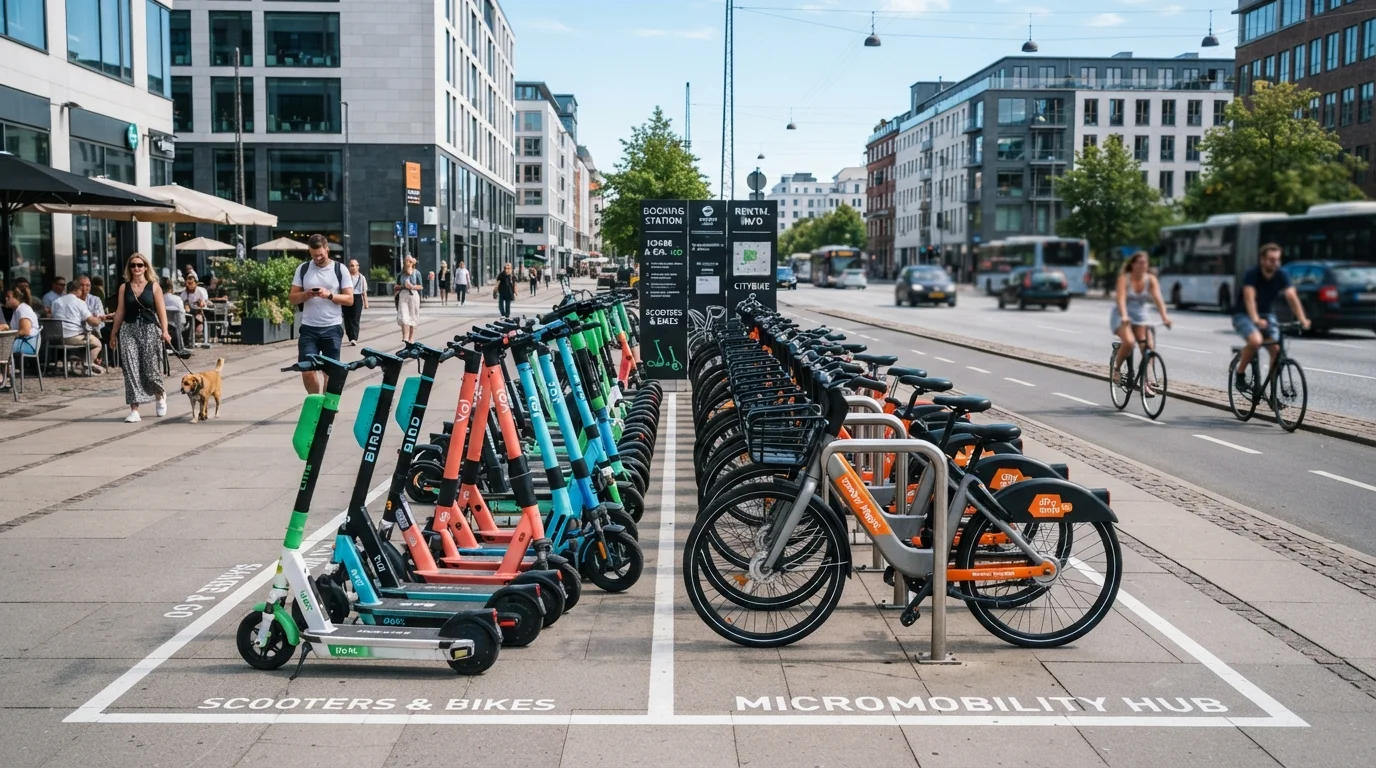
- Bikeshare and e-scooters - short-distance, first-and-last-mile connections that extend the reach of transit stops. What casual users need to know about scooters and bikeshare covers how these systems work in practice.
- Carshare - short-term vehicle rentals for trips that require a car but don't justify ownership.
The value of the platform increases as more modes are added, because users can plan genuinely multimodal trips rather than piecing together separate services. Transit is often the most cost-efficient anchor in this ecosystem-folding transit into a mixed mobility strategy can significantly reduce overall transportation costs even before a full MaaS platform is available in your area.