How These Systems Actually Work
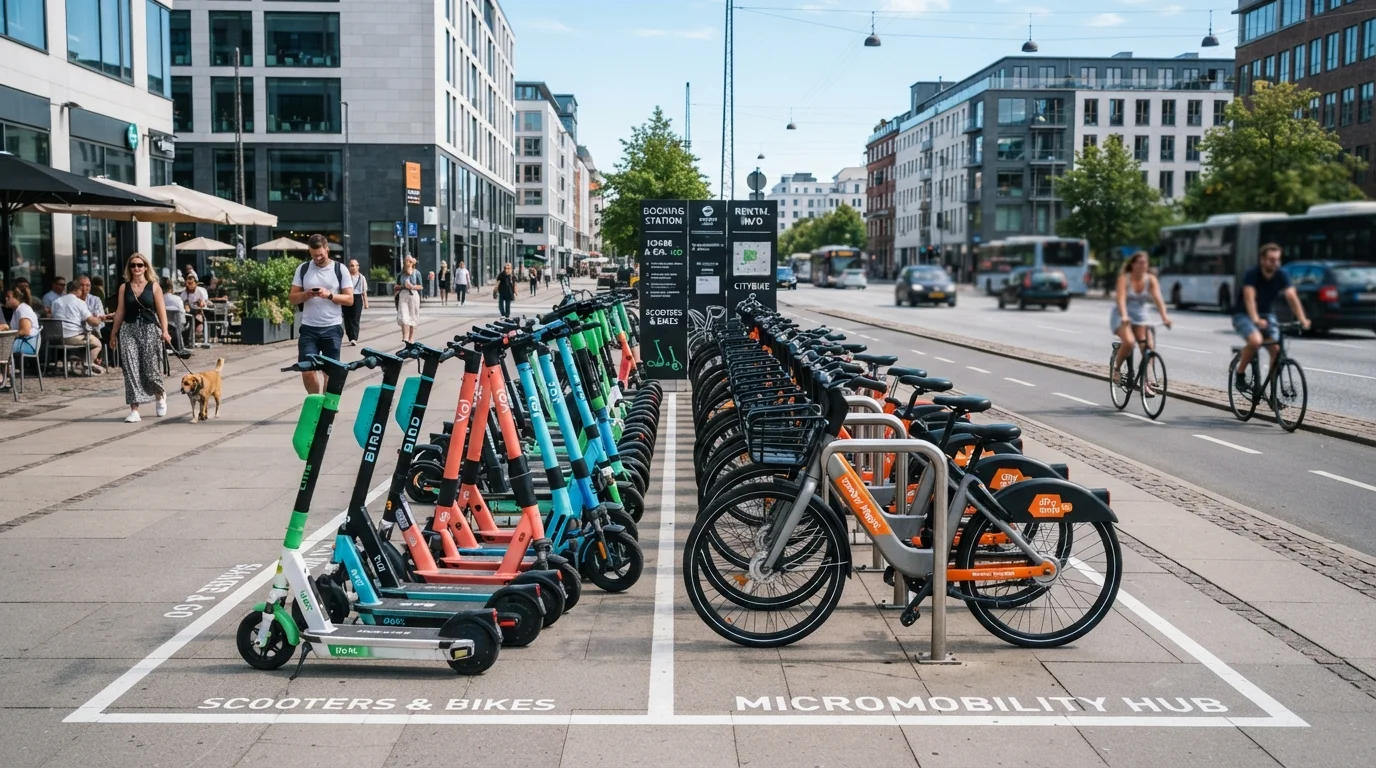
Shared micromobility - the umbrella term for bikeshare, e-bike share, and scooter-share - operates through one of two models: docked or dockless.
Docked bikeshare programs anchor bikes at fixed stations throughout a city. You unlock a bike using an app or a membership card, ride to your destination, and return it to any compatible station in the network. Cities like New York, Chicago, and Washington D.C. have operated large docked systems for years.
Dockless scooters and e-bikes work differently. You locate an available vehicle on an operator's app, scan a QR code to unlock it, ride to your destination, and end the trip by parking within a designated service area. There is no physical station - the app tracks where each vehicle is at any time.
Docked bikeshare
A bike-sharing system where bicycles must be picked up from and returned to fixed physical stations within a network.
Dockless
A vehicle-sharing model where users locate, unlock, and park vehicles anywhere within a designated geographic zone, with no fixed station required.
Geofencing
A virtual boundary set by GPS that operators use to restrict where vehicles can be ridden or parked, and to automatically reduce speed in certain areas.
Unlock fee
A flat charge applied at the start of each ride, separate from the per-minute or per-mile rate, to activate the vehicle.
Service area
The defined geographic zone within which a dockless vehicle can legally be ridden and must be parked to end a trip without penalty.
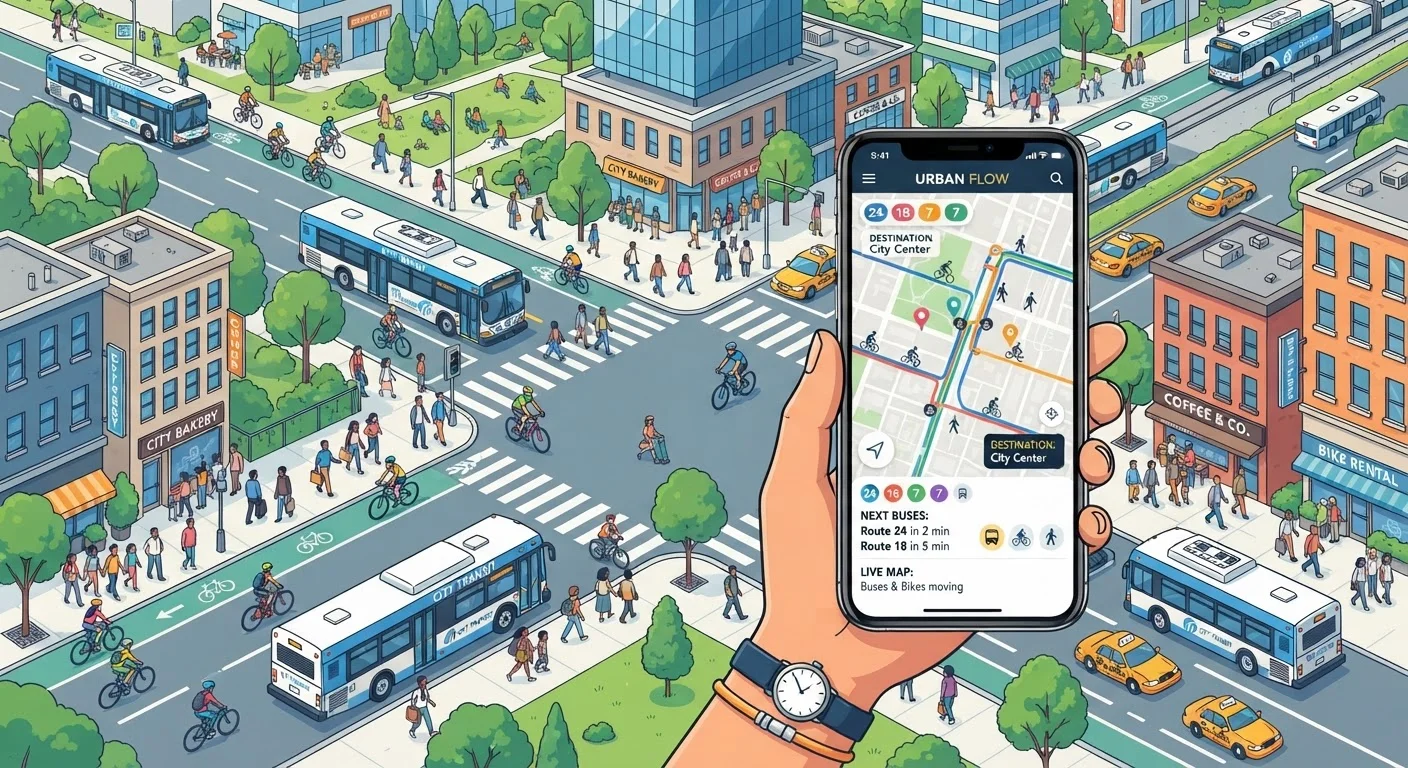
Both models are managed through smartphone apps that handle payment, trip history, and vehicle location. Before your first ride, you'll need to create an account, enter payment information, and - on most platforms - agree to terms of service that include rules about where you can park and how you must ride. For a broader look at how these services fit into urban transportation, see our guide on Mobility as a Service.
What It Costs to Ride
Pricing structures differ by operator and city, but most follow a similar pattern: an unlock fee (typically $1-$2) plus a per-minute rate (commonly $0.15-$0.39 per minute). A ten-minute scooter trip, for example, might cost between $2.50 and $5.90 depending on the market.
Many operators also offer membership plans - monthly or annual subscriptions that lower or eliminate per-minute rates in exchange for a flat fee. If you expect to ride more than a few times a week, these plans can offer meaningfully better value than single-ride pricing.
Maximize Value with a Membership Plan
Before your second or third ride, log into the operator's app and compare single-ride costs against available monthly or annual passes. Even infrequent riders - four or more trips per month - often save money with a subscription. Some cities also offer discounted passes through employers or transit agencies.
Docked bikeshare memberships frequently include unlimited 30- or 45-minute rides, which covers most urban trips without additional charges. Exceeding that window adds overage fees, so plan your route before you unlock.
Some cities subsidize passes for low-income residents through income-verified programs - worth checking with your city's transportation authority or the operator's website. For context on how scooter and bikeshare costs fit into a broader car-free transportation budget, see structuring a car-free budget.
Safety Basics Before You Roll
Micromobility vehicles are lightweight and can reach speeds of 15-20 mph, which means falls can cause real injury. A few non-negotiable basics apply regardless of your experience level.
- Wear a helmet. Some cities legally require helmets for scooter riders; others do not. Regardless of local law, wearing one significantly reduces head injury risk. Many operators note the recommendation in their apps.
- Inspect the vehicle before unlocking. Check for visibly flat tires, loose handlebars, damaged brakes, or cracked decks. If something looks wrong, report it and choose a different vehicle.
- Use bike lanes where available. Shared scooters are generally prohibited from sidewalks and from highways. Stick to designated lanes or low-traffic roads.
- Ride sober. Operating any vehicle - including a scooter - while impaired by alcohol or drugs is illegal and dangerous.
E-Bike Acceleration Can Surprise New Riders
Electric-assist bikes and standing scooters respond differently than traditional bicycles. Throttle-based scooters in particular can lurch forward unexpectedly if you apply too much power from a standstill. Practice gentle starts in a low-traffic area and test the brakes before entering any busy street.
Proper balance and braking technique matter more than speed. If you have not ridden a bicycle or scooter recently, practice in a low-traffic area before joining city traffic. E-bikes in particular can accelerate faster than riders expect on first use.
Rules, Etiquette, and Common Mistakes
Cities and operators set rules that casual riders often overlook, leading to fines, account suspensions, or blocked sidewalks that create hazards for pedestrians.
- Parking rules
- Dockless vehicles must be left upright and within the operator's permitted zone, away from doorways, curb cuts, fire hydrants, and bus stops. Improper parking is one of the most common sources of fines for first-time users.
- Speed limits
- Operators typically cap scooters at 15 mph by default. Some cities impose lower limits in pedestrian-heavy areas, enforced via geofencing that slows the vehicle automatically.
- Two riders on one vehicle
- Prohibited on almost every platform. Shared scooters and most bikeshare cycles are designed and rated for a single rider.
- Phone use while riding
- Using a phone without a hands-free mount while operating a scooter or bike is illegal in many states and consistently dangerous. Plan your route before you start the trip.
Understanding these services is also useful context if you're weighing micromobility against other car-free alternatives - see our map of modern mobility options for the full picture.
Is Bikeshare or Scooter-Share Right for You?
Shared micromobility excels in specific conditions: dense urban neighborhoods, short trips under two miles, good cycling infrastructure, and favorable weather. It works less well for trips carrying groceries or luggage, in cities with limited bike lanes, or in areas where vehicles are sparse.
If you're evaluating whether to rely on these services regularly instead of owning a vehicle, consider how they complement other modes - transit, rideshare, or carshare - rather than viewing any single option in isolation. Our guide on rideshare vs. personal vehicle tradeoffs and the comparison of carsharing vs. car rental can help round out that picture.
For many city residents, bikeshare or scooter-share covers the short-trip gap that neither transit nor rideshare fills well - and at a lower cost per trip than most alternatives when used for appropriate distances. The key is matching the tool to the trip.
NACTO Urban Street Design Guide - Bikeshare
The National Association of City Transportation Officials publishes detailed, publicly accessible guidance on how bikeshare systems are designed and regulated, useful for understanding how your city's program is structured.
PeopleForBikes City Ratings
An independent assessment of cycling infrastructure quality across U.S. cities - helpful for gauging how safe and practical bikeshare or scooter riding is likely to be in your area.
This article provides general information about shared micromobility services. Rules, pricing, and availability vary significantly by city and operator. Always review the terms of service and local regulations before your first ride.