
Why Supplemental Transit Is Worth a Second Look
Most conversations about public transit treat it as an either/or proposition - you either own a car or you don't. That framing causes a lot of people to dismiss transit entirely, particularly outside dense urban cores. But a supplemental approach - using transit selectively alongside a personal vehicle or other options - is where many households find the clearest financial upside.
The average American household spends over $10,000 per year on vehicle ownership when factoring in payments, insurance, fuel, maintenance, and depreciation. Shaving even a portion of those miles off your personal vehicle through strategic transit use can translate into meaningful savings over time - without the logistical overhaul of going fully car-free. For a broader view of the full range of options available, see our map of modern mobility options.
Audit your weekly trips to find the ones best suited for transit.
Not every trip is a good candidate for public transit, but many people have at least two or three regular trips - commutes, errands, appointments - where transit is genuinely competitive on time. Identifying those trips first prevents the frustration of trying to force transit onto routes where it doesn't fit.
Sign up for your employer's pre-tax commuter benefit if it's available.
The IRS allows employees to set aside pre-tax dollars for transit passes and vanpool costs up to a defined monthly limit, effectively reducing the real cost of a transit pass. Many workers leave this benefit unclaimed simply because they're unaware it exists.
Use a transit app to learn your system before relying on it.
Uncertainty about routes, transfers, and real-time delays is a primary reason people abandon transit after one frustrating experience. Spending 20 minutes mapping your likely routes in advance - including backup options - removes most of that friction before it becomes a problem.
Treat transit and occasional rideshare or carshare as a team, not competitors.
A mixed approach - transit for predictable, frequent trips and rideshare or carshare for irregular or off-hours needs - typically outperforms either option used exclusively. It also reduces the pressure on transit to be perfect for every situation, which makes the overall strategy more sustainable.
Track your transportation spending across all modes for at least one month.
Most people dramatically underestimate their true cost of driving because expenses like depreciation, insurance, and maintenance aren't felt at the moment of each trip. A full monthly accounting - including per-mile fuel and wear costs - gives you an accurate baseline to compare against transit alternatives.
Quick Wins You Can Act on This Week
Not every change requires a major overhaul of your schedule. A few targeted actions can help you test whether supplemental transit makes sense for your situation before you commit to any routine shift.
Building a Mixed Mobility Strategy That Holds Up
Using transit as a supplement rather than a replacement means being intentional about when each mode earns its place. The goal is matching the right tool to each trip type - not defaulting to your car out of habit or avoiding transit out of unfamiliarity.
Transit Quality Varies Significantly by Location
Public transit in the U.S. ranges from robust urban rail systems to infrequent rural bus routes. What works well in a dense metro area may be impractical in a lower-density suburb. Evaluating your local system honestly - rather than based on how transit works in other cities - is essential before building it into your regular routine. Transit agency websites typically publish route maps, schedules, and real-time service information that can help you assess your specific options.
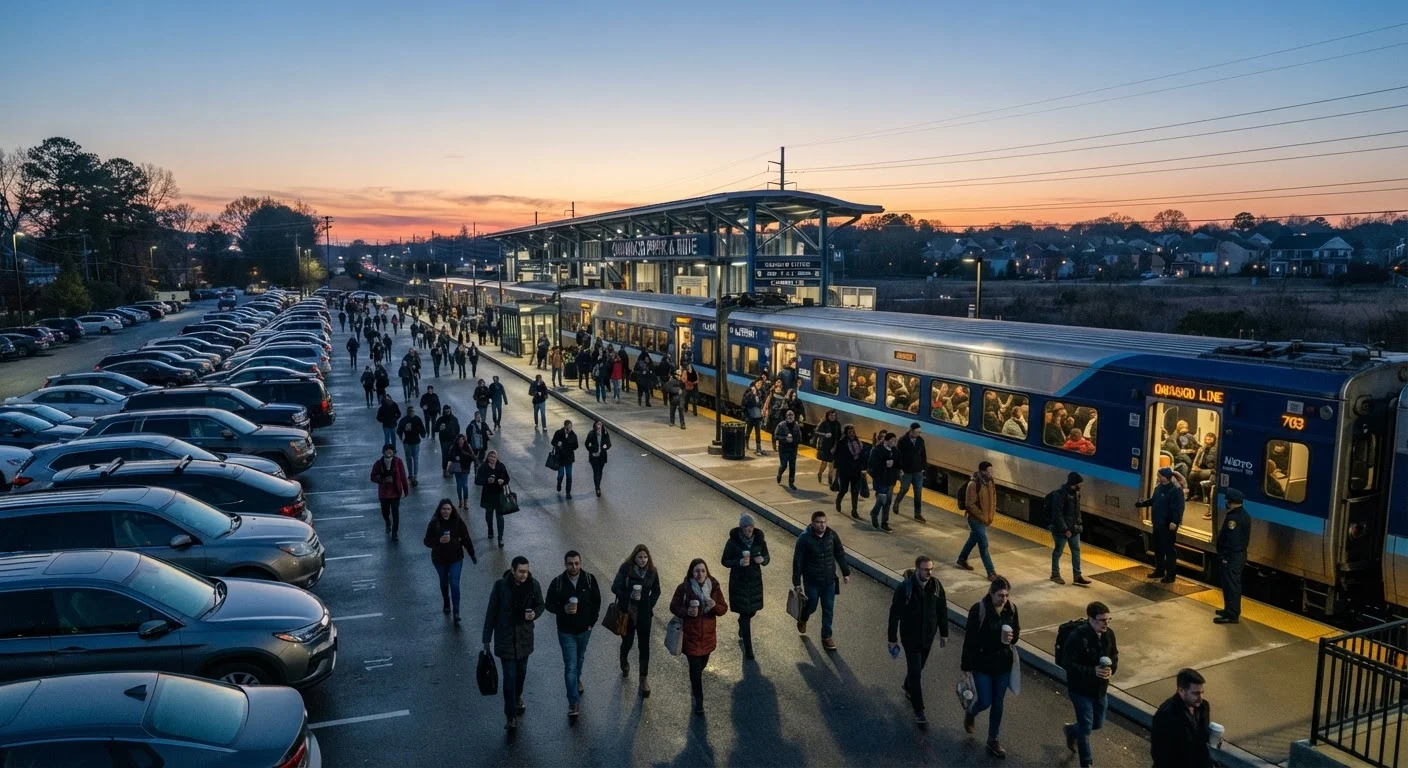
For commuters who travel longer distances, options like commuter rail and park-and-ride lots - often publicly subsidized and underused - may provide more value than local bus service alone. See our guide to park-and-ride and commuter rail for details on how those programs work and who benefits most.
Households sharing a single vehicle can also lean on transit to fill scheduling gaps between drivers. That dynamic is covered in depth in our piece on how one-car households make it work. And if you're curious how transit, rideshare, and bikeshare are increasingly being bundled into unified platforms, what Mobility as a Service means in practice is worth a read.
One side benefit worth noting: walking to and from transit stops is a low-effort way to build physical activity into a day that might otherwise be entirely sedentary. Our related piece on what walking actually delivers as exercise offers a clear-eyed look at what that activity does and doesn't provide health-wise.
This article is for general informational purposes only and does not constitute financial or transportation planning advice. Actual savings will vary based on individual circumstances, local transit availability, and vehicle costs.