Why Walking Deserves More Credit Than It Gets
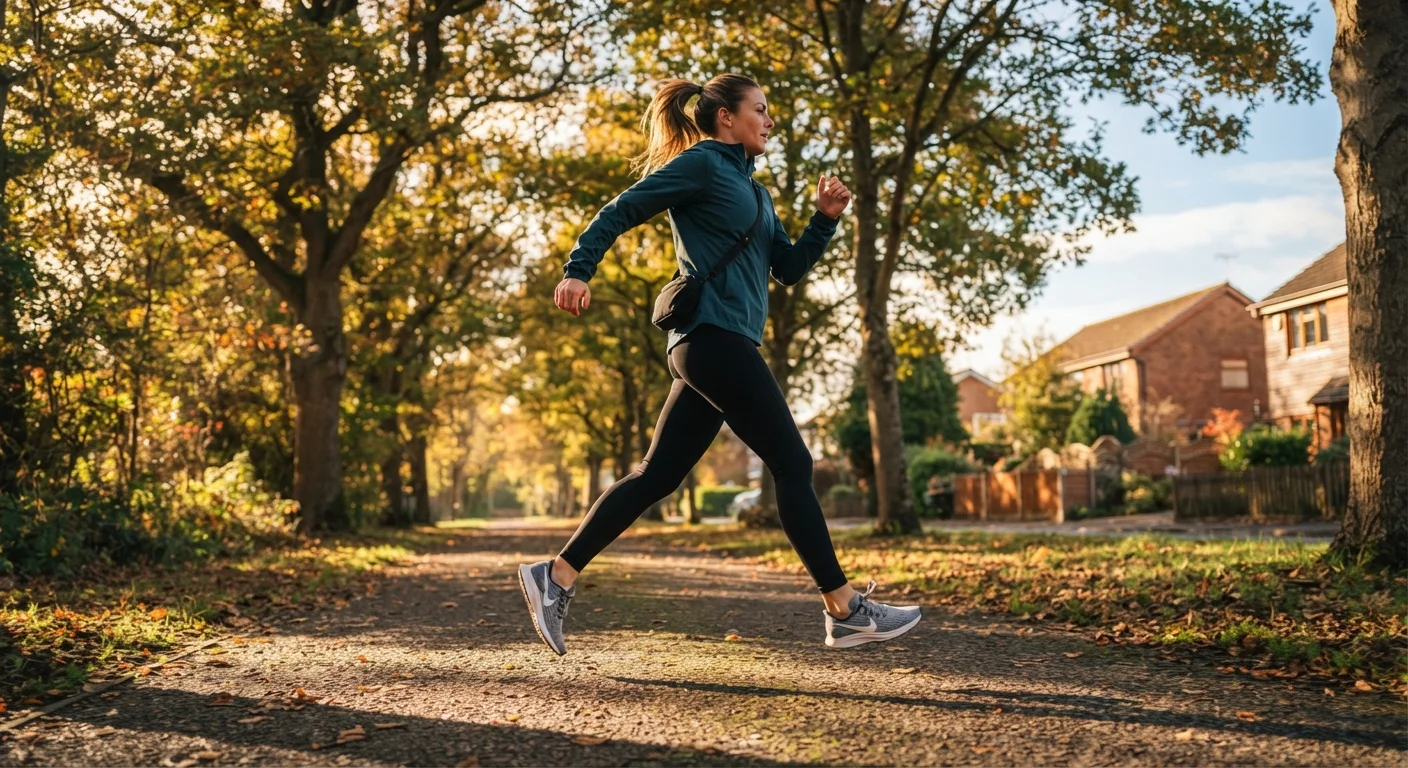
Walking tends to get dismissed in fitness circles as "not real exercise" - a claim that doesn't hold up to scrutiny. For the vast majority of American adults who get little to no structured physical activity, regular walking represents a meaningful and measurable improvement in health outcomes.
Research consistently links habitual walking to lower rates of cardiovascular disease, improved blood sugar regulation, better sleep, and reduced symptoms of anxiety and depression. The mechanism isn't mysterious: walking elevates heart rate modestly, engages large muscle groups, and keeps the body in rhythmic motion for sustained periods - all of which matter physiologically.
It also has near-zero barriers. No equipment, no gym membership, no learning curve. That accessibility is not a small thing. Many fitness myths discourage people from starting at all by implying that only intense effort counts. Walking cuts through that noise.
Proven cardiovascular health benefits at low intensity
Studies associate regular brisk walking with reduced risk of heart disease, lower blood pressure, and improved cholesterol profiles - benefits that accumulate even in modest daily amounts.
Accessible to nearly all fitness levels
Walking requires no equipment, no instruction, and no baseline fitness level, making it one of the most inclusive forms of physical activity available.
Supports mental health and cognitive function
Regular walking is linked to reduced symptoms of anxiety and depression, and some research suggests it may support memory and executive function, particularly in older adults.
Helps regulate blood sugar after meals
Short walks after eating - even 10-15 minutes - have been shown to reduce post-meal blood glucose spikes, which is relevant for metabolic health across the board.
Low injury risk compared to higher-impact activities
Because it's low-impact, walking can often be maintained consistently over years without the overuse injuries that sideline runners or high-intensity exercisers.
Builds a sustainable movement habit
The low barrier to entry means people are more likely to continue walking long-term, making it a reliable foundation for an active lifestyle even as other activities come and go.
Where Walking Falls Short
Honesty about walking's limitations is just as important as recognizing its benefits. The two biggest gaps are muscle development and body composition change.
Walking at a typical pace does not provide enough mechanical load to stimulate meaningful muscle growth or preserve bone density the way resistance training does. As people age, muscle mass and bone density become increasingly critical health factors - and walking alone doesn't adequately address either. For a fuller comparison of what different exercise modes actually do to the body, see strength training vs. cardio.
Weight loss is the other area where expectations often outpace reality. Walking burns calories, but typically far fewer than people estimate. Without changes to diet or the addition of higher-intensity activity, walking alone rarely produces significant fat loss - though it can help maintain a healthy weight over time.
Does not build or preserve muscle mass
Walking doesn't provide sufficient resistance stimulus to trigger meaningful muscle protein synthesis, leaving an important gap - especially for adults over 40 where muscle loss accelerates.
Rarely sufficient for significant weight loss alone
The caloric expenditure from typical walking sessions is modest, and research shows that walking without dietary changes or additional intensity usually produces minimal fat loss.
Limited cardiovascular intensity for fit individuals
For people who already have a moderate or high fitness baseline, flat-ground walking may not elevate heart rate enough to produce further cardiovascular adaptation.
Does not improve bone density meaningfully
While weight-bearing, walking provides less skeletal loading than higher-impact or resistance activities, making it insufficient on its own for maintaining bone density as we age.
Slow progress for measurable fitness gains
Improvements in VO2 max and overall aerobic capacity tend to plateau relatively quickly with walking, particularly without intentional variations in pace or terrain.
How to Make Walking Work Harder for You
The good news: most of walking's limitations can be addressed by modest adjustments rather than abandoning it entirely.
- Add incline or pace variation. Walking uphill or alternating between brisk and moderate speeds increases cardiovascular demand and engages muscles more fully.
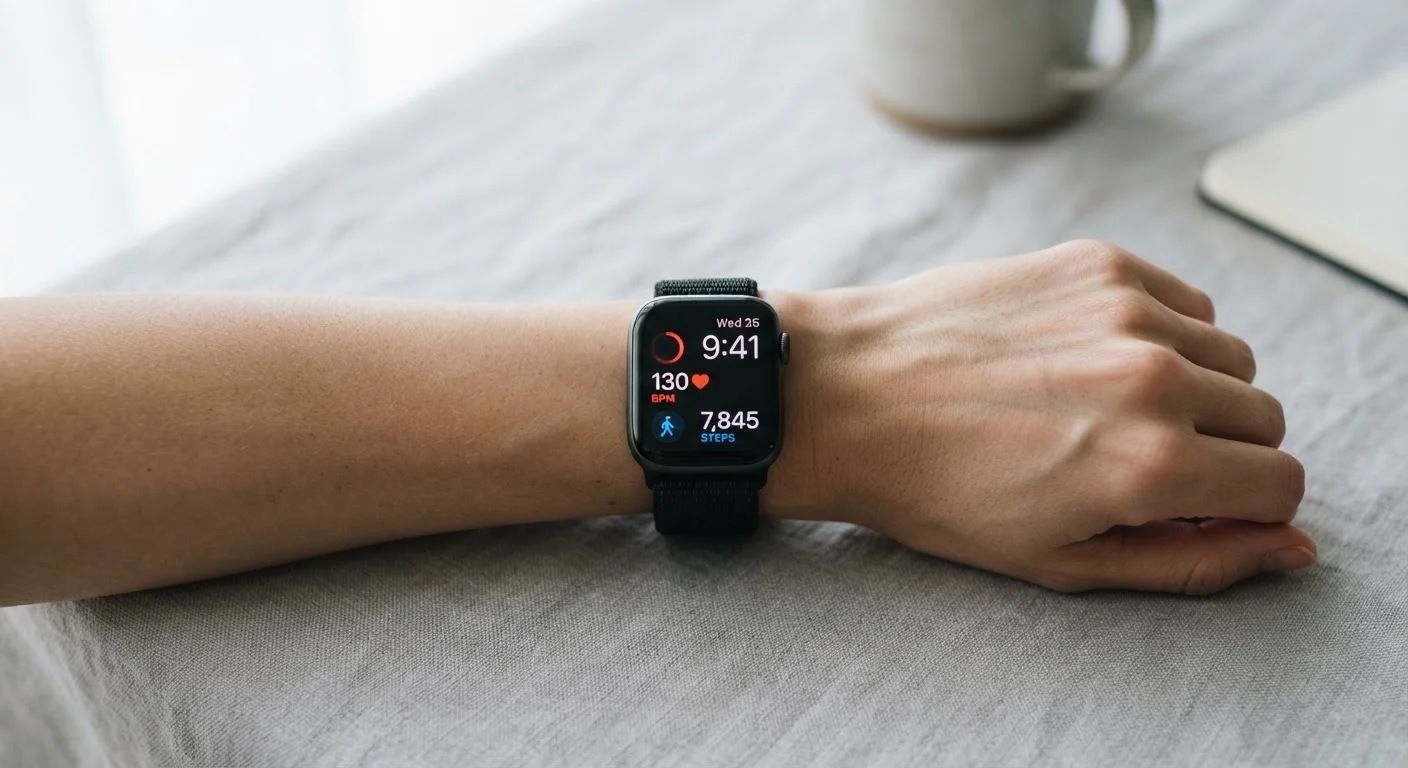
- Track meaningful indicators. Paying attention to metrics like heart rate zones and weekly duration gives you useful feedback. Not every fitness metric deserves attention, but a few well-chosen ones can help you see real progress.
- Pair with resistance training. Even two sessions of bodyweight or light resistance exercises per week fills the muscle-building gap that walking leaves open.
- Integrate it into daily life. Walking to transit stops, during lunch, or after meals adds volume without requiring dedicated workout time.
Special Populations: A Note on Individual Variation
For older adults, people with joint conditions, or those recovering from illness or injury, walking may represent the most appropriate and safest primary exercise available. In these cases, its benefits relative to doing nothing are substantial. Individual circumstances vary widely, and a physical therapist or physician can help determine the right intensity, duration, and supporting activities for a specific situation.
If you're managing chronic pain, a mobility limitation, or a chronic health condition, walking can still be a valuable part of your movement routine - but the right approach varies significantly. Movement with pain or limited mobility requires specific considerations and, often, professional guidance.
22%
Reduction in cardiovascular disease risk
A meta-analysis published in the European Journal of Preventive Cardiology found that regular walking was associated with approximately a 22% lower risk of cardiovascular disease.
150 min
Weekly moderate activity recommended by CDC
The CDC recommends at least 150 minutes of moderate-intensity activity per week for adults - a target that brisk walking can help meet.
~300 kcal
Calories burned per hour of brisk walking
Estimated calorie burn from brisk walking varies by body weight, but averages roughly 250-350 calories per hour - less than many people assume.
This article is for general informational purposes only and does not constitute medical advice. Consult a qualified healthcare professional before starting or changing any exercise program, especially if you have existing health conditions.