
Why More Data Doesn't Mean More Progress
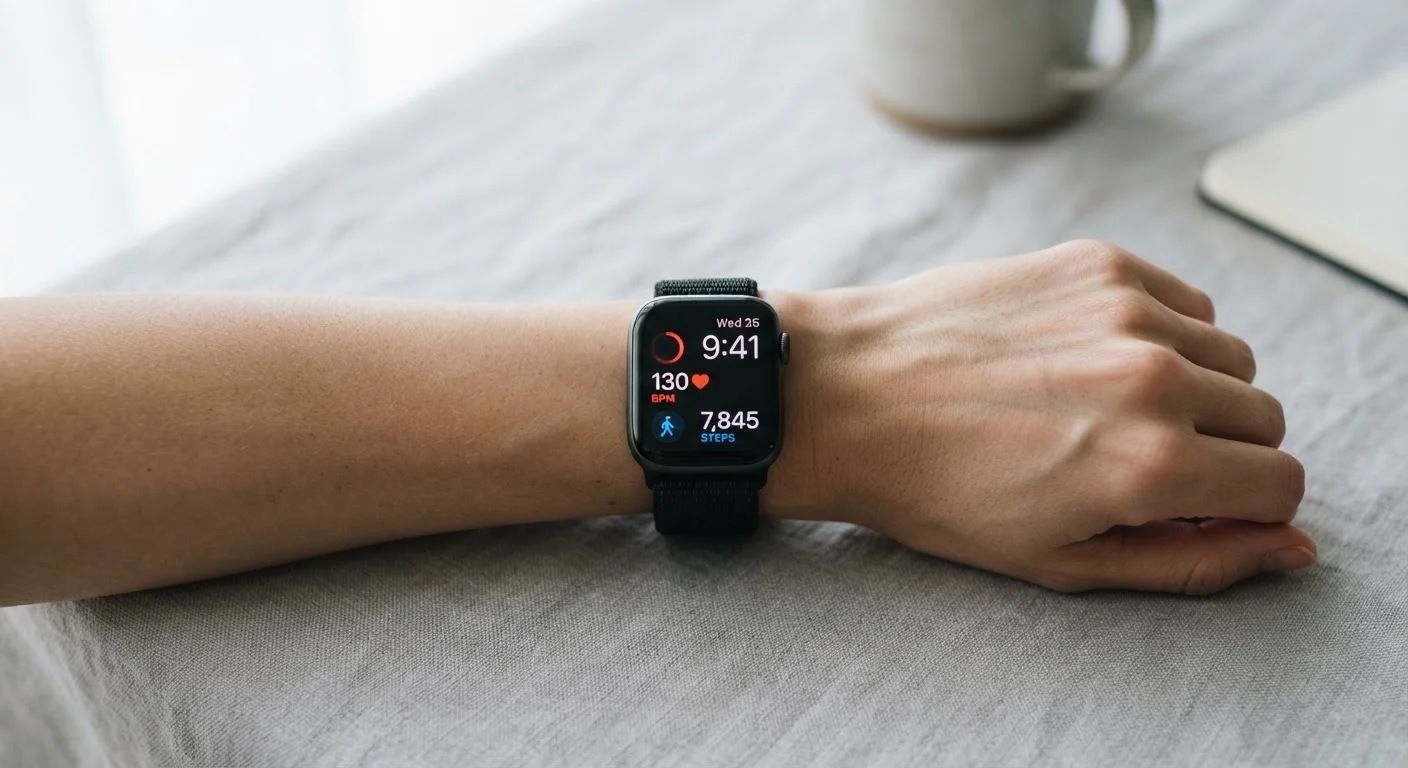
Modern fitness trackers can log dozens of metrics simultaneously - steps, floors climbed, sleep stages, blood oxygen, stress scores, and more. The result for many people is a dashboard that feels productive but delivers little clarity about whether they are actually getting fitter. Tracking everything is not the same as understanding anything.
The metrics worth your attention share a common quality: they reflect meaningful change over time and give you actionable information. The ones that create noise tend to be either poorly defined, highly variable day to day, or based on estimates with wide error margins. Knowing the difference saves time and reduces the anxiety that comes from chasing numbers that fluctuate for reasons entirely outside your control.
If you're rebuilding an exercise habit after a long break, keeping your metric focus narrow is especially important - a few meaningful numbers are far more useful than a wall of data.
Metrics That Actually Signal Progress
Resting Heart Rate. One of the most reliable long-term indicators of cardiovascular fitness. As your heart becomes more efficient through regular aerobic exercise, it pumps more blood per beat - meaning it doesn't need to beat as often while you're at rest. A gradual downward trend in resting heart rate over weeks or months is a concrete sign of improving fitness. Single-day readings are less meaningful because sleep quality, hydration, stress, and caffeine all cause short-term variation.
VO2 Max (estimated). This metric represents your aerobic capacity - essentially, how efficiently your body uses oxygen during sustained effort. Consumer devices estimate it rather than measure it precisely, so treat your device's figure as a relative benchmark rather than an absolute score. An upward trend signals improved cardiovascular fitness.
Heart Rate During Consistent Workouts. If you perform the same walk, run, or bike route regularly, notice your heart rate at a given pace. Over time, completing the same effort at a lower heart rate - or at the same heart rate with noticeably less perceived effort - is one of the clearest signs your fitness is improving. This is more actionable than any single metric snapshot.
Rate of Perceived Exertion (RPE). Often underrated because it's subjective, RPE is a remarkably useful tool. Tracking how hard a given workout feels over time - especially alongside objective markers like pace or heart rate - helps you tune into your body rather than outsource all judgment to a device. It's also more reliable than many wearable estimates during strength training, where heart rate data is less meaningful.
Recovery quality is equally worth monitoring. Understanding how recovery affects fitness gains can help you interpret rest-day metrics like resting HRV rather than viewing them as wasted data days.
Metrics That Often Create More Noise Than Signal
Daily Step Count. Steps are approachable and motivating for many people, which makes them useful as a starting habit anchor. But the widely cited 10,000-step target originated in a 1960s Japanese pedometer marketing campaign - not clinical research. The health value of walking is real, and what regular walking actually delivers is worth understanding clearly. But fixating on a specific daily step number over the actual quality and variety of your movement can mislead you about overall fitness progress.
Calorie Burn Estimates. Wearable calorie estimates carry substantial error margins - studies have found some devices overestimate energy expenditure significantly, depending on activity type. Using these figures to evaluate workout quality is unreliable at best. Intensity, consistency, and how you feel during and after exercise are stronger progress signals than an estimated burn figure.
Sleep Stage Breakdowns. Consumer devices can detect broad sleep patterns reasonably well, but granular stage data (light, deep, REM percentages) is difficult to measure accurately without clinical equipment. Total sleep time and how rested you feel - combined with HRV trends over time - offer more reliable insight than nightly stage percentages.
Many persistent fitness beliefs - including some tied to popular metrics - don't hold up well under scrutiny. Evaluating which numbers deserve your attention is part of exercising more intelligently. And if your current routine feels stale or unproductive, recognizing the signs that your workout needs adjusting is a useful next step.
This article is for general informational purposes only and is not a substitute for professional medical advice. Consult a qualified healthcare provider for guidance specific to your health needs.