Three Related Terms, Three Distinct Meanings
Fitness language is full of words that get used loosely, and few are confused more often than mobility, flexibility, and stability. They show up in yoga classes, physical therapy offices, and gym programming as if they mean roughly the same thing. They don't - and understanding the distinctions can meaningfully shape how you approach movement and injury prevention.
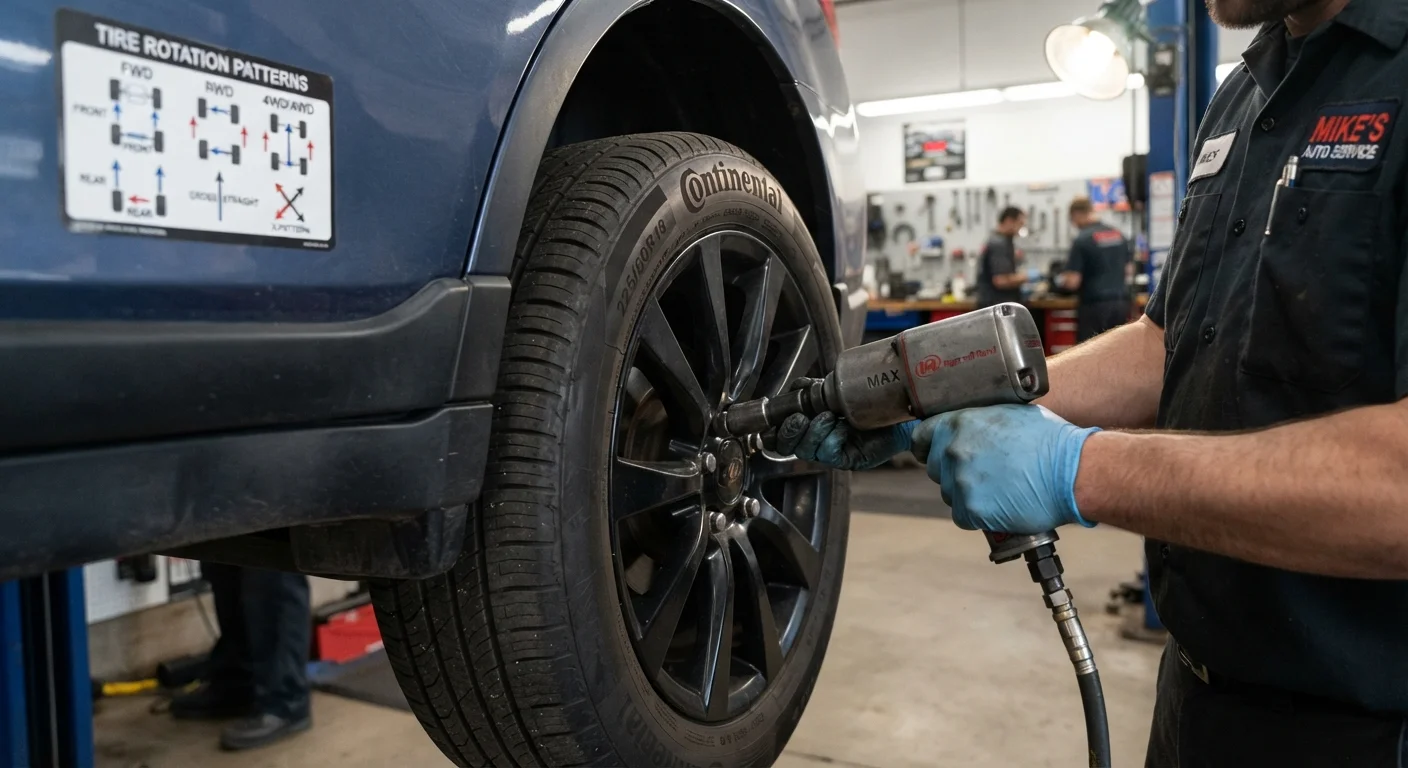
Think of it this way: flexibility is the raw material, mobility is how you use it, and stability is what keeps everything from falling apart while you do. Just like seemingly similar service terms in other domains - for example, tire rotation, balancing, and alignment each address different problems despite sounding related - these three fitness concepts each address a distinct aspect of how your body functions.
~25%
Adults reporting activity-limiting musculoskeletal conditions
According to CDC surveillance data, roughly one in four U.S. adults reports a musculoskeletal condition that limits their usual activities.
60-80%
Estimated lifetime prevalence of low back pain
Research consistently estimates that the majority of adults will experience significant low back pain at some point, with stability and mobility deficits frequently cited as contributing factors.
2-3x
Increased fall risk with poor lower-body stability
Studies in older adult populations have found that individuals with measurable balance and stability deficits face substantially elevated fall risk compared to those with good neuromuscular control.
Flexibility: The Passive Range
Flexibility is the ability of muscles, tendons, and connective tissue to lengthen. It's largely a passive quality - meaning it's measured when your body is relaxed and an external force (gravity, a strap, or another person) does the moving. A classic example is a hamstring stretch: lying on your back while a physical therapist lifts your leg tests flexibility, not mobility.
Flexibility is necessary but not sufficient for healthy movement. A person who can easily touch their toes in a relaxed stretch may still struggle to control a deep hip hinge under load. That's because the muscles haven't been trained to actively work in the lengthened position - which is where mobility comes in.
A Simple Way to Distinguish Them
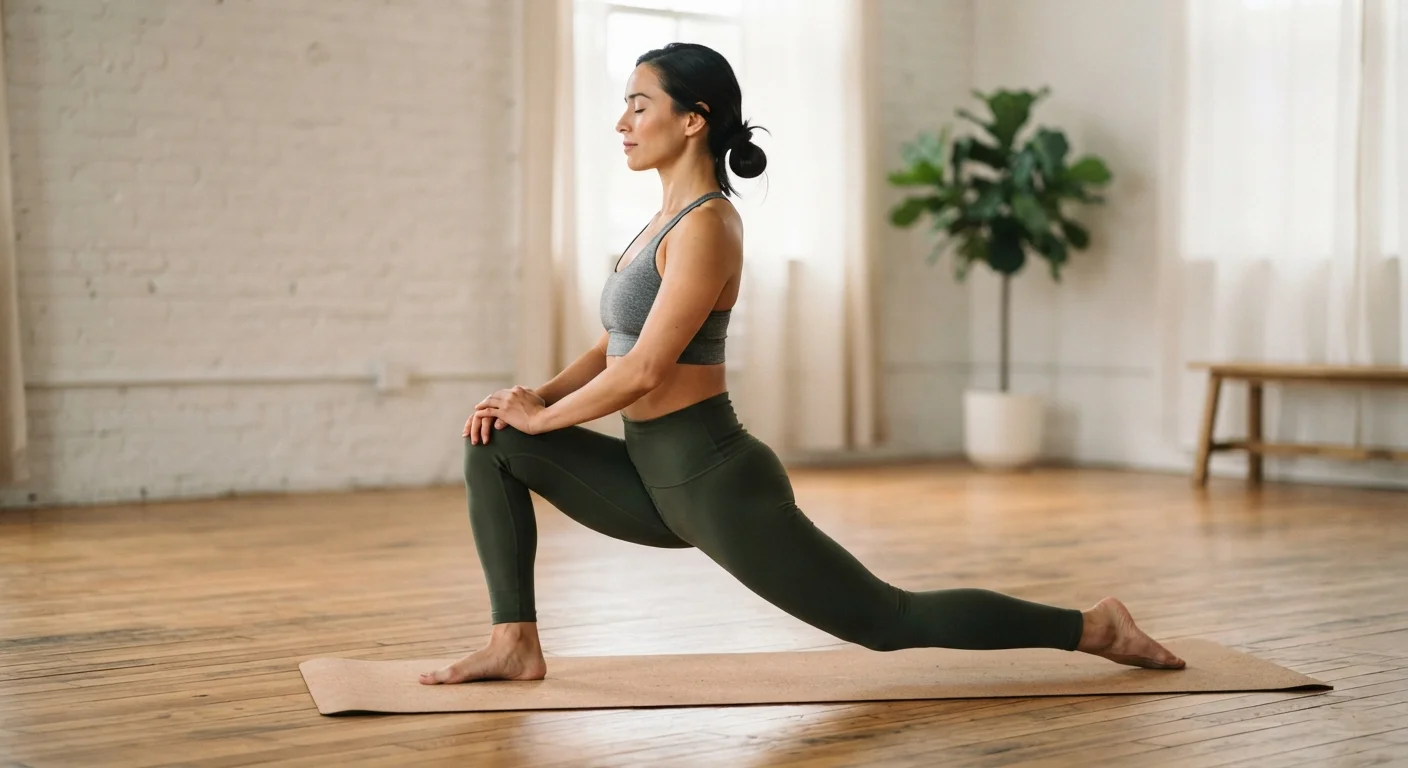
Next time you stretch, notice whether you're relaxing into the position or actively holding it with your muscles. If you're relaxing, you're measuring flexibility. If you're actively driving into the range - that's mobility work. Adding a light resistance element (like a resistance band) while moving through a stretch can shift it from passive flexibility to active mobility training.
Mobility: Active Control Through Range
Mobility is flexibility plus strength and neuromuscular control. It describes how far a joint can move under your own muscular effort, not just what's passively available. A simple illustration: someone with good hip mobility can perform a deep squat with an upright torso under their own power. Someone with good hip flexibility but poor mobility might be able to be pushed into that same position - but can't get there on their own.
This distinction matters practically. Most athletic and daily-life movements are active, not passive. Your hips aren't being stretched by an external force when you climb stairs; you're actively driving that range of motion. Training mobility means practicing movement through ranges while maintaining muscular engagement, not just relaxing into a stretch.
Stability: Keeping Joints Controlled Under Load
Stability is the capacity of muscles, joints, and the nervous system to resist unwanted movement - especially under load or when balance is challenged. It's not rigidity; it's dynamic control. A stable shoulder doesn't mean a locked-down shoulder. It means the surrounding muscles are actively maintaining alignment as the arm moves.
Stability deficits are a common contributor to overuse injuries. When a joint lacks stability, surrounding tissues compensate - and repetitive compensation often leads to strain, tendinopathy, or joint irritation over time. Core stability, for example, isn't just about having strong abdominal muscles; it's about those muscles coordinating to protect the spine during movement.
“Stability is not about stiffness. It's about the nervous system's ability to coordinate muscles so that joints stay in their optimal position during movement - and that capacity can be trained.”
— Physical therapy clinical consensus, Summarized from sports rehabilitation literature on joint stability and neuromuscular control
Why the Distinctions Matter for Your Training
Each quality responds to different training methods. Passive stretching builds flexibility. Controlled active movement drills - like tempo squats, active hip circles, or quadruped reaches - build mobility. Resistance training, balance exercises, and movements that challenge joint control under load build stability.
Chasing flexibility without also building mobility and stability can create problems. Hypermobile joints - those with more passive range than active control - are actually more prone to injury, not less. The goal isn't maximum flexibility; it's usable, controlled range of motion supported by stable structure.
If you're dealing with pain or a significant movement limitation, a physical therapist or sports medicine specialist is the right starting point. For those navigating chronic conditions, exercising with chronic pain or limited mobility involves additional considerations that go beyond general fitness guidance. Just as you'd want to understand the real differences between therapy, counseling, and coaching before seeking mental health support, knowing what each movement quality actually means helps you ask better questions and make more informed decisions.
This article is for general informational purposes only and is not a substitute for professional medical or fitness advice. Consult a qualified healthcare provider before beginning any new exercise program, particularly if you have existing injuries, chronic conditions, or pain.