What Mental Wellness Apps Actually Offer
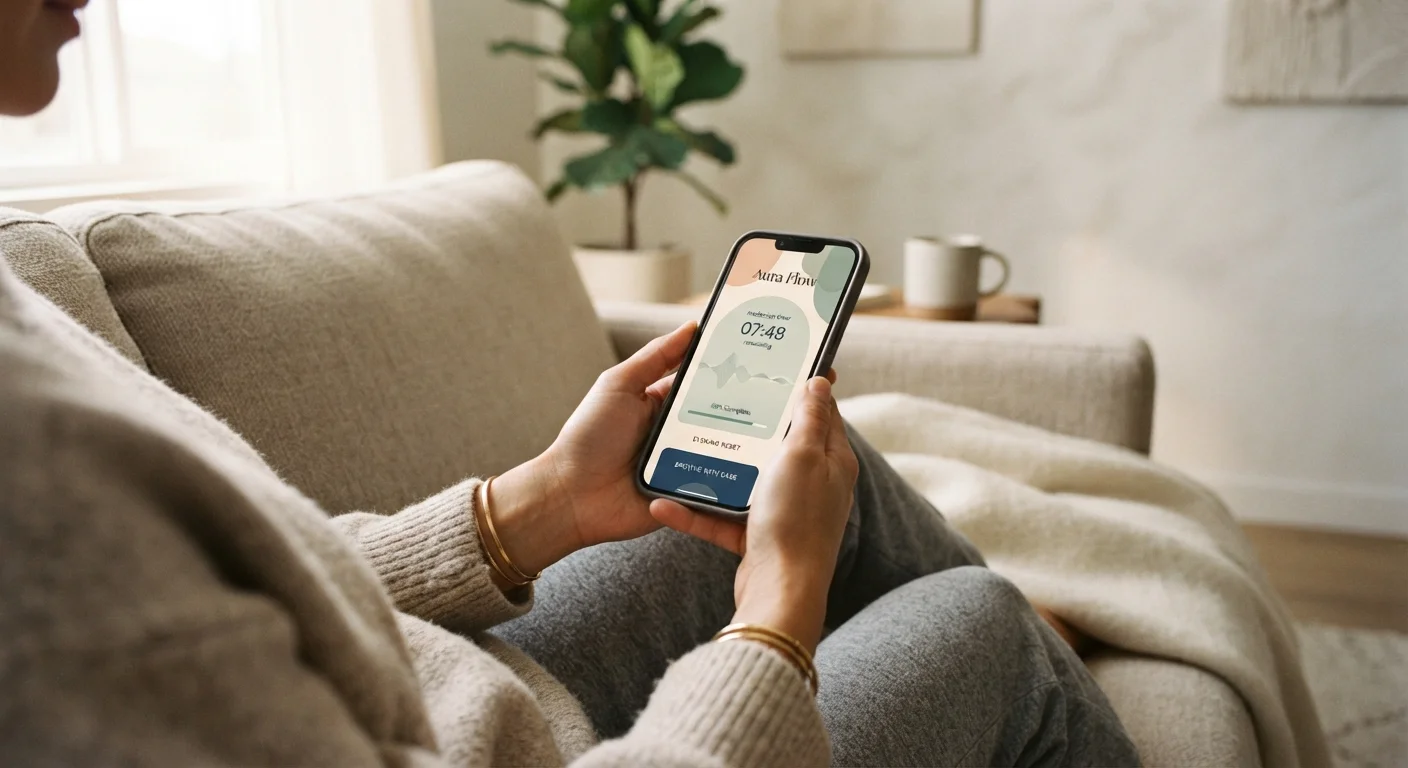
Mental wellness apps cover a wide range of functions: guided meditation, mood journaling, breathing exercises, cognitive behavioral therapy (CBT)-style prompts, sleep tracking, and even text-based coaching. Their appeal is straightforward - they live on a device most people already carry and are available any time of day or night.
Unlike scheduling a therapy appointment, opening an app has essentially no logistical friction. For someone exploring emotional self-care for the first time, or trying to maintain habits between professional sessions, that accessibility genuinely matters. As part of a broader mental wellness picture, structured daily check-ins and guided exercises can build useful habits over time.
It's worth being clear, though: most apps position themselves as wellness or self-improvement tools - not medical devices. That framing matters when evaluating what they can reasonably be expected to do.
Where Apps Fall Short
The limitations of mental wellness apps are just as real as their benefits, and glossing over them does readers a disservice.
First, the research base is uneven. While CBT-based digital tools have shown some evidence of benefit for mild anxiety and low mood in studies, many apps on the market have little or no independent clinical validation. The wellness app category is largely unregulated, meaning marketing claims aren't held to the same standards as medical treatments.
Second, apps cannot do what trained clinicians do - assess symptoms comprehensively, provide a diagnosis, or adapt care to complex or changing presentations. For anyone experiencing persistent distress, significant impairment in daily life, or symptoms of a diagnosable condition, apps are not a substitute for professional evaluation. There are also common misconceptions about mental health treatment that can lead people to delay getting appropriate care - assuming an app is sufficient is one version of that risk.
The Privacy Question You Shouldn't Skip
Mental health data is among the most sensitive personal information that exists. When you log moods, journal entries, sleep patterns, or stress levels inside an app, you're creating a detailed record of your inner life - and the data practices of wellness apps vary widely.
Before downloading and using any app in this category, it's worth reviewing its privacy policy with a few specific questions in mind: Is your data sold to third parties? Is it used to train algorithms or for advertising targeting? How is it stored and protected? Can you delete your data on request?
What to Check Before You Download
Look for apps that disclose whether their approach is grounded in established therapeutic frameworks such as CBT or mindfulness-based stress reduction (MBSR). Check whether the app has published any research on its effectiveness and review its privacy policy for data-sharing practices. A free trial or free tier can help you evaluate fit before sharing sensitive personal information.
If evaluating any app feels overwhelming, the same critical thinking that applies to smart devices applies here. A structured approach - like the one outlined in this smart device checklist - can help you ask the right questions before committing.
How to Use Apps Without Overdoing It
The most productive use of mental wellness apps tends to be as one component of a broader self-care approach - not as a standalone solution. Think of them similarly to how you might think about budgeting tools: just as tracking spending with an app works best alongside financial awareness and discipline, wellness apps work best alongside genuine habits and, where appropriate, professional support.
A few practical principles: choose apps with transparent credentials or research backing; set a clear intention for what you want the app to help with; and notice if the app starts substituting for social connection or avoidance of real issues rather than supporting your growth. Being aware of habits that undermine emotional balance - including over-reliance on digital tools as a distraction - keeps your approach honest.
10,000+
Mental health apps available in major app stores
Estimates from health technology researchers suggest tens of thousands of mental health and wellness apps exist, with very few having published independent clinical evidence.
~4%
Apps with published peer-reviewed evidence
A review published in npj Digital Medicine found that only a small fraction of mental health apps in app stores have been evaluated in published research studies.
This article provides general health information and is not a substitute for professional mental health advice, diagnosis, or treatment. If you are experiencing significant distress or mental health symptoms, please consult a qualified healthcare professional.