
Why Insurance Policies Are Hard to Read - and How to Change That
Insurance contracts are legal documents, and they read like it. Long sentences, cross-referencing between sections, and terms with defined meanings that differ from everyday usage - all of this makes policies feel impenetrable. But every policy, whether it covers your health, your car, your home, or your life, follows a recognizable structure. Once you know the anatomy, you can navigate any policy more efficiently.
The goal isn't to become a legal expert. It's to know enough to spot what you're covered for, what you're not, and what questions to ask a licensed professional before you need to make a claim.
What you will need
Your insurance policy document
The primary document you will be reading - digital or paper copy.
Highlighter or annotation tool
Mark exclusions, limits, and terms you want to revisit or ask about.
Glossary of insurance terms
Helps decode jargon like 'subrogation,' 'indemnity,' and 'occurrence basis.'
Licensed insurance agent or broker
Can clarify ambiguous language and explain how provisions apply to your situation.
How to Read Your Policy Step by Step
Work through your policy in the order below. You don't have to read every word of every section in one sitting - but you should cover each of these areas before treating the policy as understood.
Start with the Declarations Page
The declarations page (often called the "dec page") is almost always the first page of any policy. It is the only part written specifically about you - your name, address, policy number, coverage period, and the dollar limits of your coverage are all listed here.
Confirm every detail is accurate. A misspelled name, wrong address, or incorrect coverage start date can complicate a claim later. If anything is wrong, contact your insurer immediately to request a correction.
Read the Definitions Section
Most policies include a definitions section near the front, listing words the insurer uses in a specific legal sense. Words like "occurrence," "insured," "dwelling," or "covered loss" may have narrower meanings inside the policy than in everyday speech.
Do not skip this section. When you later read a clause that seems to cover your situation, the definition of a single word can change whether it actually does. Flag any terms you don't fully understand for follow-up.
Review the Coverage Sections
This is the core of the policy - it spells out what the insurer agrees to pay for. In health insurance, look for covered services and in-network versus out-of-network rules. In auto insurance, check whether you have liability only or also collision and comprehensive. In homeowners or renters policies, look at what property is covered and under what circumstances.
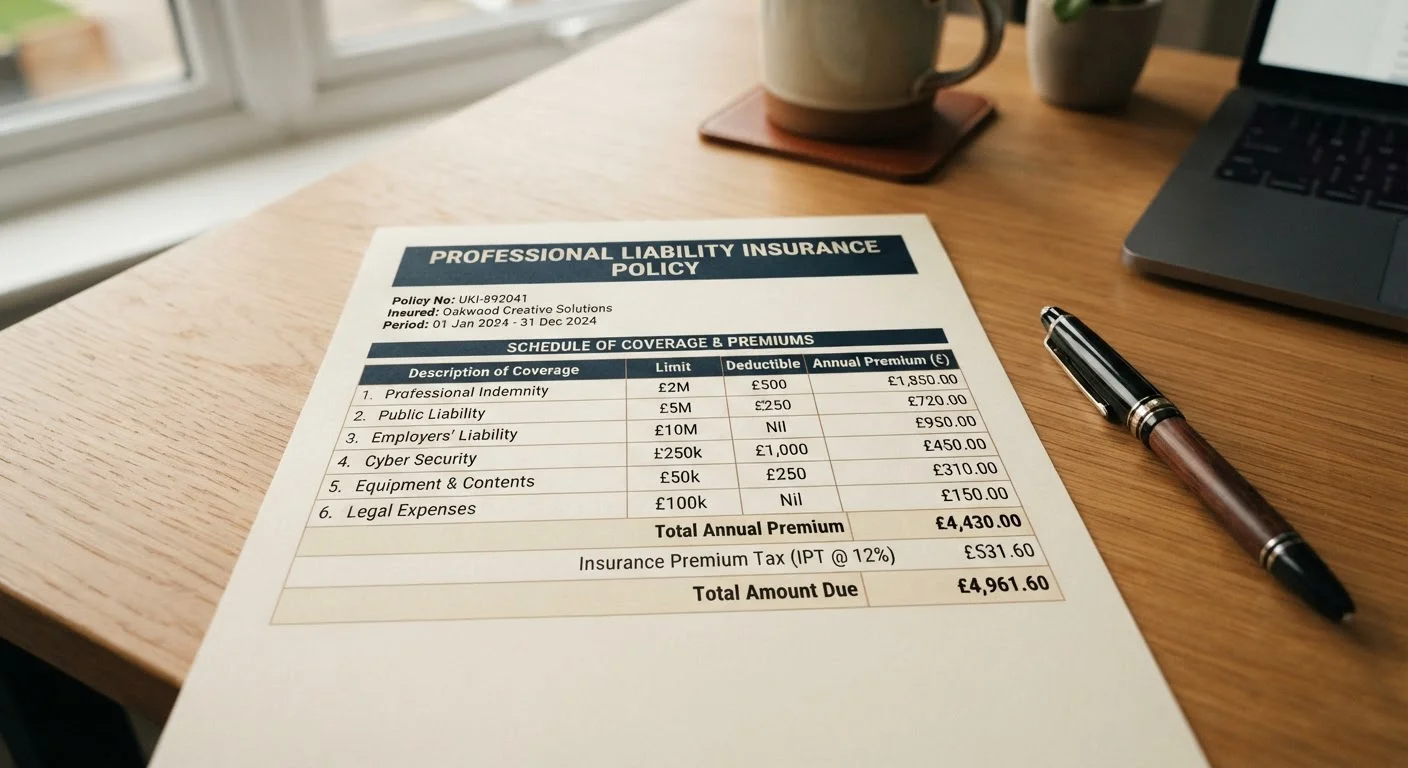
Note the coverage limits - the maximum the insurer will pay per claim or per year. These figures directly determine how much financial protection you actually have. For more on how cost structures work together, see reading the cost summary page of any policy.
Study the Exclusions Carefully
Exclusions list what the policy will not cover. This section is often buried toward the middle or end of the document, but it is arguably the most important part to read. Common exclusions include floods, earthquakes, intentional acts, and certain pre-existing conditions - depending on policy type.
Go through exclusions line by line and ask yourself whether any of them affect a risk you genuinely face. If they do, you may need a separate policy, a rider, or a frank conversation with your agent about your exposure. This is exactly the kind of blind spot that causes problems at claim time - for a full look at how this plays out, see coverage blind spots in common insurance policies.
Check for Riders and Endorsements
Riders (also called endorsements) are add-ons that modify the base policy. They can expand coverage - for example, adding coverage for a valuable piece of jewelry - or restrict it. They are often attached as separate pages at the back of the policy packet.
Make sure you know which riders are active on your policy, what each one does, and whether it added to your premium. If you were sold a rider verbally but don't see it in writing, that's a problem worth resolving before you ever need to file a claim. For a broader look at how premiums and policy costs are structured, see understanding what you'll pay before you sign.
Locate the Claims and Conditions Sections
The conditions section outlines your obligations as the policyholder. It typically includes how and when to report a claim, what documentation you must provide, and what happens if you miss a deadline. Missing a required step - like failing to notify your insurer within a set timeframe - can result in a valid claim being denied on procedural grounds.
Write down the claims phone number or portal address and store it somewhere accessible - not only in the policy document itself. You don't want to search through a 50-page document when you're dealing with a loss. For more on how claim denials work in practice, see the Claims and Coverage Gaps resource hub.
Don't Skip the Exclusions Section
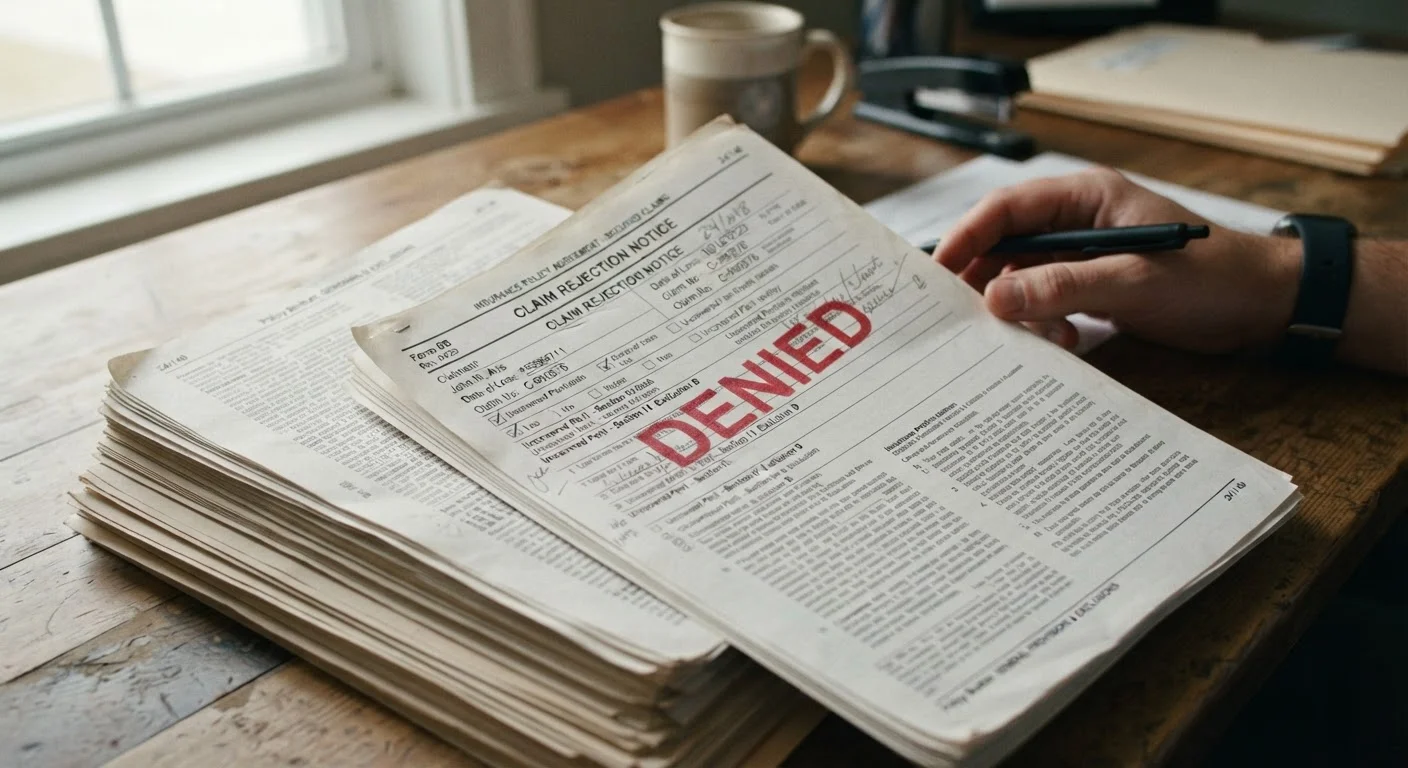
Many policyholders focus only on what a policy covers and overlook what it explicitly does not. Exclusions are the most common source of denied claims. If a scenario matters to you - flooding, home-based work, a specific health condition - look for it in the exclusions before assuming you're protected. For a deeper look at where these gaps tend to hide, see why insurers deny claims.
Build a Personal Policy Summary
After working through a policy, write down four things: your coverage limits, your deductible, what is excluded, and how to file a claim. Keep this alongside your declarations page. If a loss occurs, you'll have the essentials without having to re-read 40 pages under stress.
This article is for general informational and educational purposes only. It is not legal, financial, or insurance advice. Coverage terms, exclusions, and regulations vary significantly by insurer, policy type, and state. Read your actual policy documents carefully and consult a licensed insurance agent or qualified professional before making any coverage decisions.