Why Expiration Dates Actually Matter
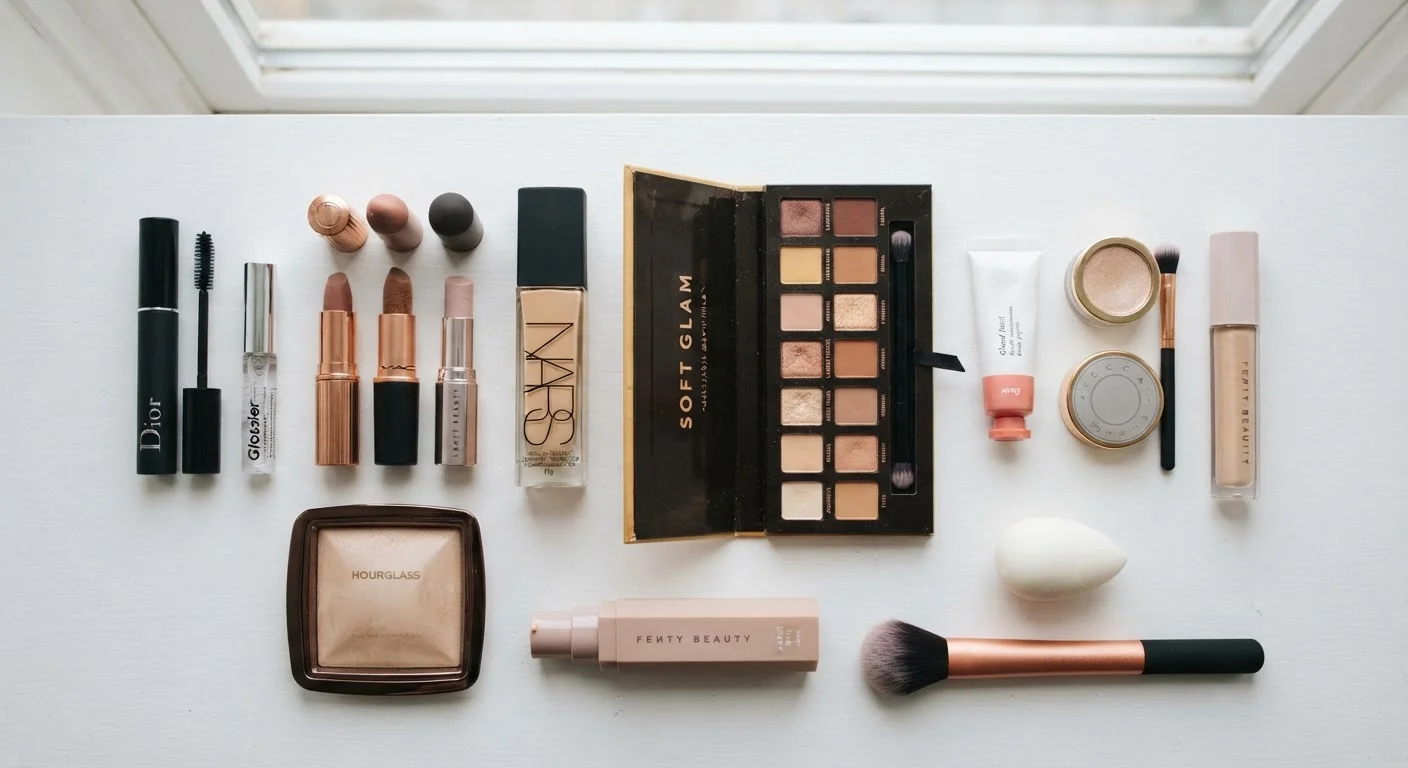
Most makeup doesn't come stamped with a hard expiration date like a carton of milk - but that doesn't mean it lasts forever. Over time, formulas break down, preservatives stop working, and bacteria can build up, especially in products that touch your eyes, lips, or skin daily.
The good news: learning your product shelf lives is a one-time investment that pays off in clearer skin, better makeup performance, and fewer irritation flare-ups. If you're already thinking about streamlining your beauty routine, our guide to a minimal skincare routine covers how fewer products can sometimes mean better results, too.
| Mascara shelf life (after opening) | 3 months (General cosmetic industry guideline) |
| Liquid foundation shelf life | 6-12 months (General cosmetic industry guideline) |
| Powder products shelf life | Up to 2 years (General cosmetic industry guideline) |
| Lipstick shelf life | 1-2 years (General cosmetic industry guideline) |
| Lip gloss shelf life | 1 year (General cosmetic industry guideline) |
| Liquid eyeliner shelf life | 3-6 months (General cosmetic industry guideline) |
Look for the PAO symbol (a small open jar icon) on your product packaging. The number inside - like 12M or 24M - tells you how many months the product is considered safe after opening. This is your starting point, not a hard rule.
Shelf-Life Breakdown by Product Type
Use this section as your go-to reference. These are general industry guidelines - individual products may vary based on formulation and storage conditions.
PAO Symbol
The 'Period After Opening' symbol, shown as an open jar icon on cosmetic packaging. The number inside (e.g., 12M) indicates how many months a product is considered safe to use after it has been opened.
Preservative System
The blend of ingredients in a cosmetic formula designed to prevent microbial growth and extend product stability. Over time, these preservatives lose effectiveness, which is why open products eventually expire.
Emulsion
A blend of water and oil-based ingredients common in liquid foundations and moisturizers. Emulsions are more prone to bacterial growth than pure powder or anhydrous (water-free) formulas.
Anhydrous Formula
A cosmetic product that contains no water, such as a lipstick or pressed powder. These formulas are generally more stable and less hospitable to bacteria, giving them longer shelf lives.
Eyes
- Mascara: 3 months. The tube's pump mechanism and moist environment make it a breeding ground for bacteria. When it smells off or gets clumpy, toss it immediately.
- Liquid eyeliner: 3-6 months. Pencil eyeliners, which can be sharpened regularly, last closer to 2 years.
- Eyeshadow (powder): 2 years. Powder formulas are more stable, but replace sponge applicators every few months.
Face
- Liquid or cream foundation: 6-12 months. Pump dispensers stay cleaner longer than open jars.
- Powder foundation or blush: 2 years. Watch for any unusual texture or scent changes before that mark.
- Concealer: 6-12 months for liquid; up to 2 years for stick formulas.
Lips
- Lipstick: 1-2 years. If the scent turns waxy or rancid, it's done.
- Lip gloss: 1 year. Open-tube glosses with wand applicators expire faster due to repeated exposure.
- Lip liner: Up to 2 years, especially when sharpened regularly.
A Note on Shared or Secondhand Makeup
Sharing makeup - especially eye and lip products - significantly increases the risk of transferring bacteria, viruses, and irritants between users. This is true even for products that haven't expired. Secondhand or previously opened cosmetics carry additional hygiene concerns that shelf-life guidelines alone don't address. When in doubt, opt for products that haven't been opened or used by others.
How to Make Products Last - and Know When to Let Go
Storage habits make a significant difference. Heat, humidity, and direct sunlight accelerate breakdown in nearly every formula. A cool, dry drawer beats a bathroom countertop for longevity.
3 months
Safe use window for mascara
Industry guidelines consistently flag mascara as the highest-risk product due to repeated eye contact and a moist, sealed environment.
2x longer
Powder vs. liquid formula longevity
Powder cosmetics - blush, eyeshadow, pressed foundation - generally last roughly twice as long as their liquid counterparts due to the absence of water.
A few practical habits to build:
- Write the open date on the bottom of each product with a fine-tip marker. You won't remember when you opened that foundation six months from now.
- Wash brushes and sponges regularly - weekly for tools used with liquid products, every two weeks for powder brushes. Dirty tools transfer bacteria back into packaging.
- Don't pump mascara wands in and out of the tube. This pushes air in and dries the formula faster.
- Trust your senses. Changes in smell, texture, color, or how the product applies are all reliable signals that something has turned, regardless of the timeline.
A twice-yearly makeup audit - maybe at the change of seasons - keeps your kit fresh without demanding constant attention. Toss anything that's past its window or showing signs of change, and use what you have before buying new.
This article is for general informational purposes only and does not constitute medical or dermatological advice. If you experience skin irritation or an adverse reaction to any cosmetic product, discontinue use and consult a qualified healthcare professional.