What 'Processed' Actually Means
The word processed has become a catch-all label in nutrition conversations, but it describes an enormous range of interventions - from washing and bagging salad greens to engineering a shelf-stable snack cake with dozens of ingredients. Treating all processed foods as equally problematic misses important distinctions that affect your actual health outcomes.
Nutrition researchers commonly use a classification system called NOVA, developed by researchers at the University of São Paulo, to sort foods by degree of processing:
- Group 1 - Unprocessed or minimally processed foods: Fresh fruit, vegetables, plain meat, eggs, plain legumes, and milk. Little or no alteration from their natural state.
- Group 2 - Processed culinary ingredients: Oils, butter, flour, sugar, and salt. These are extracted from whole foods and used in cooking, not typically eaten alone.
- Group 3 - Processed foods: Products made by adding salt, sugar, or oil to whole foods - canned fish, cheese, cured meats, plain bread. Most have two to five ingredients.
- Group 4 - Ultra-processed foods: Industrially formulated products with multiple additives - emulsifiers, artificial flavors, color agents - that have no home-kitchen equivalent. Think packaged snack cakes, flavored chips, and certain fast-food items.
This framework matters because the health research linking processed food to poor outcomes is largely concentrated in Group 4, not the full category. Learning to read labels helps you place any product on this spectrum quickly.
How Whole Foods and Ultra-Processed Foods Compare
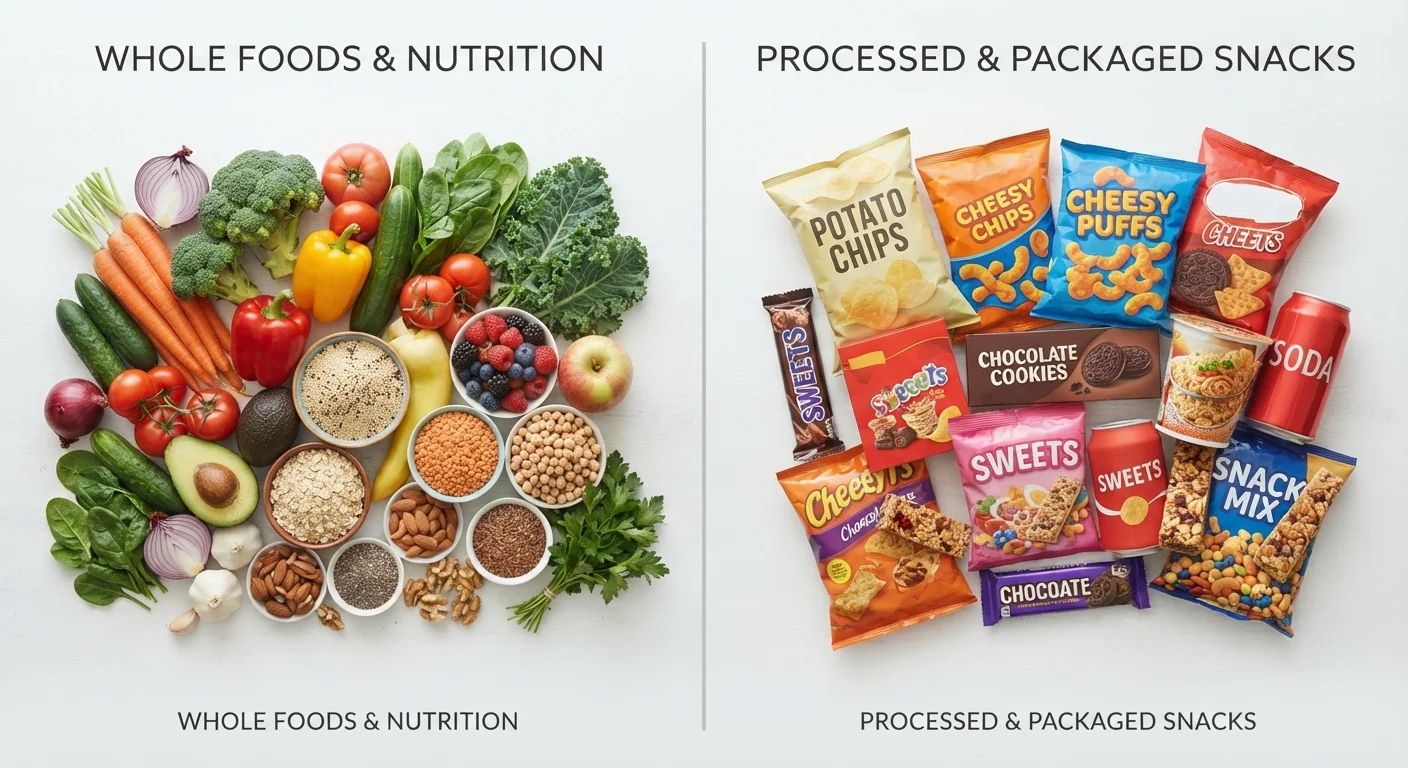
When researchers compare diets dominated by whole foods against those high in ultra-processed foods, several consistent differences emerge across published nutrition literature. The table below summarizes key contrasts.
| Criterion | Whole Foods | Ultra-Processed Foods |
|---|---|---|
| Fiber content | Naturally present, often high | Frequently stripped out |
| Added sodium | None by definition | Often a primary ingredient |
| Added sugar | None by definition | Common; sometimes multiple types |
| Micronutrient density | Generally high | Often low; sometimes fortified |
| Shelf life | Short; requires fresh sourcing | Long; additives extend stability |
| Prep time required | Varies; often higher | Typically minimal |
| Cost per serving | Varies widely by season/region | Often lower upfront |
One important nuance: not every processed food is nutritionally inferior. Plain rolled oats are processed (they're steamed and flattened) but remain an excellent source of fiber and complex carbohydrates. Pasteurized milk is processed but retains most of its calcium and protein. The critical question is what was added or removed during processing - not simply whether any processing occurred.
Ultra-processed foods, by contrast, often have fiber, water, and micronutrients stripped out, then replaced with additives that extend shelf life or enhance palatability. This reformulation can shift how quickly the food is digested and how satisfied you feel afterward - factors that matter across a whole day of eating.
57%
Share of US calories from ultra-processed foods
A study published in BMJ Open found that ultra-processed foods accounted for approximately 57% of total caloric intake among US adults based on NHANES dietary data.
14g
Average daily fiber gap for US adults
The Dietary Guidelines for Americans notes that most adults consume roughly half the recommended daily fiber intake, which is primarily found in whole grains, vegetables, and legumes.
~70%
Of packaged foods contain added sugar
Research published in the journal Lancet Diabetes & Endocrinology estimated that a large majority of packaged food products in the US contain some form of added sugar.
Practical Strategies for Everyday Eating
Shifting toward more whole foods doesn't require overhauling your kitchen overnight or abandoning convenience entirely. A few durable habits make a meaningful difference over time:
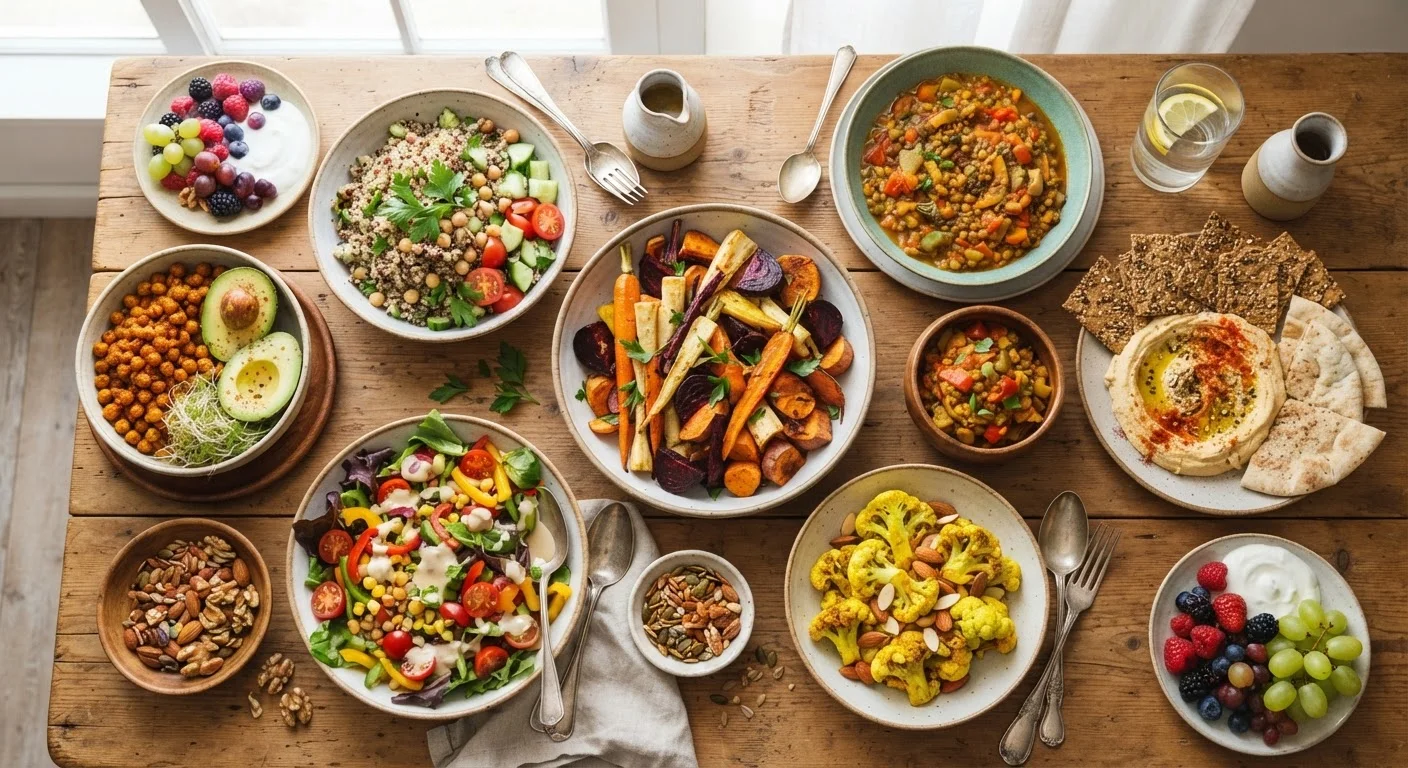
- Anchor meals with whole-food ingredients. Build lunches and dinners around vegetables, whole grains, or legumes as the main component rather than a side afterthought.
- Use the ingredient list, not the front label. Marketing claims like "natural" or "wholesome" are loosely defined. A short ingredient list with recognizable items is a more reliable signal than any front-of-package phrase.
- Choose minimally processed staples for convenience. Canned no-salt-added beans, plain frozen vegetables, and whole-grain bread are processed but nutritionally sound - and genuinely practical for busy households.
- Save ultra-processed foods for occasional rather than everyday use. This isn't about perfection. Research tends to focus on dietary patterns over time, not individual meals. An overall diet rich in whole and minimally processed foods leaves room for flexibility.
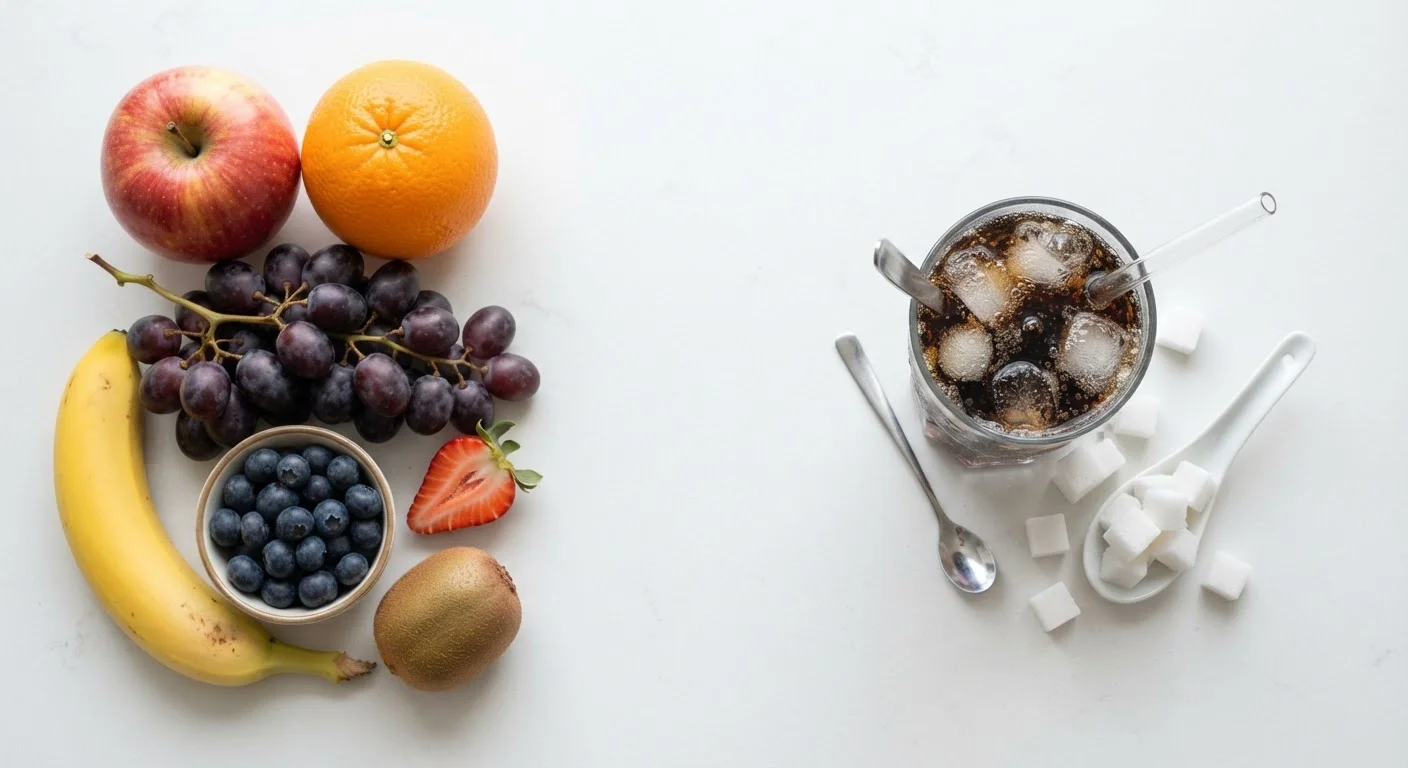
For more on how the sugar in whole fruit compares to added sugar in packaged products, see this breakdown of added versus natural sugar. And if you're navigating a fully plant-based approach, understanding specific nutritional gaps is a useful complement to this overview.
Whole Foods Aren't Always Accessible
Fresh produce, unprocessed meat, and other whole foods can be more expensive or harder to find depending on where you live. Food access is shaped by income, location, and local infrastructure - factors outside any individual's control. Minimally processed staples like canned vegetables, dried beans, and frozen fruit represent a practical middle ground that delivers solid nutrition without requiring a well-stocked farmers market nearby.
This article is for general informational and educational purposes only and is not a substitute for personalized medical or dietary advice. Consult a registered dietitian or qualified healthcare provider before making significant changes to your diet, especially if you have an existing health condition.