What 'Plant-Based' Actually Means
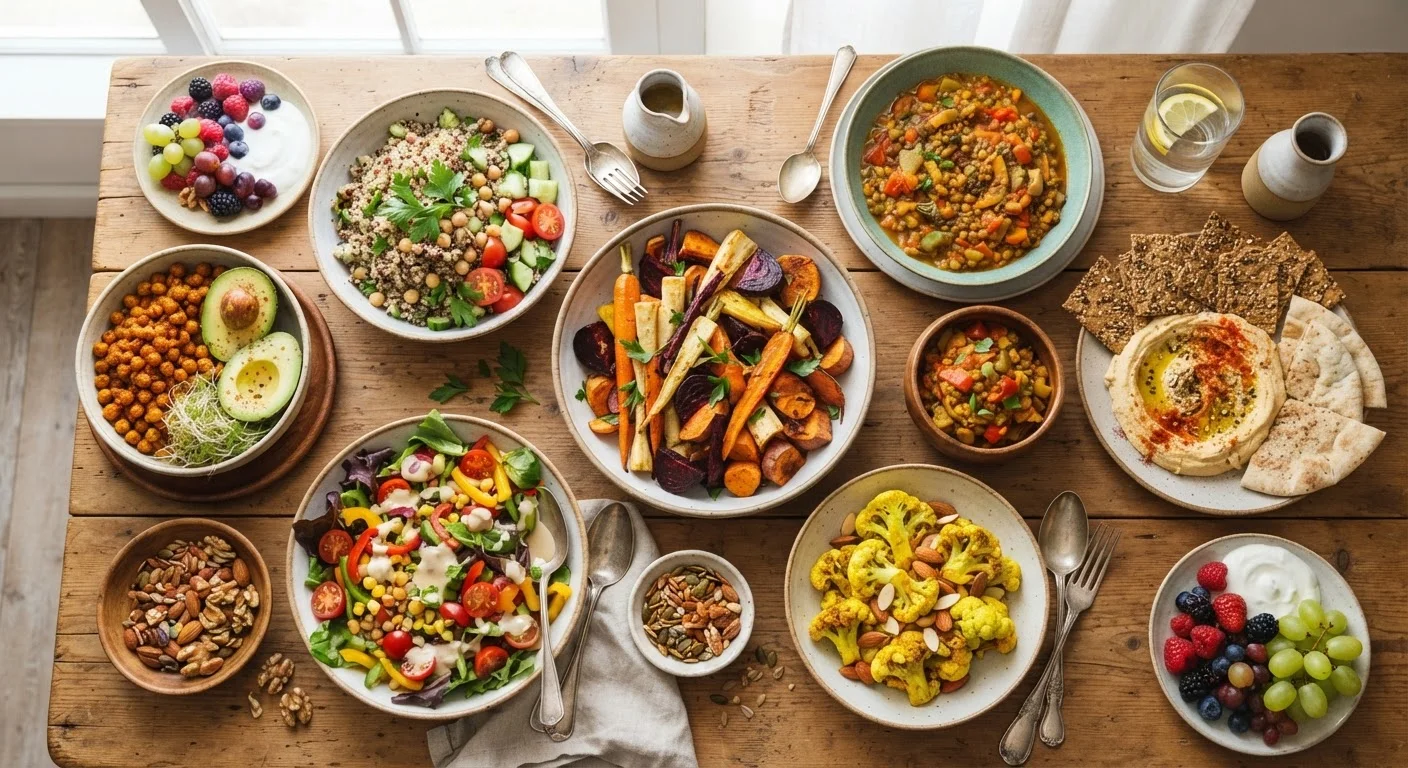
"Plant-based" is not a single, legally defined diet. It spans a wide spectrum - from fully vegan (no animal products at all) to flexitarian (mostly plants, with occasional meat or dairy). What unites these approaches is that vegetables, fruits, whole grains, legumes, nuts, and seeds form the foundation of daily eating.
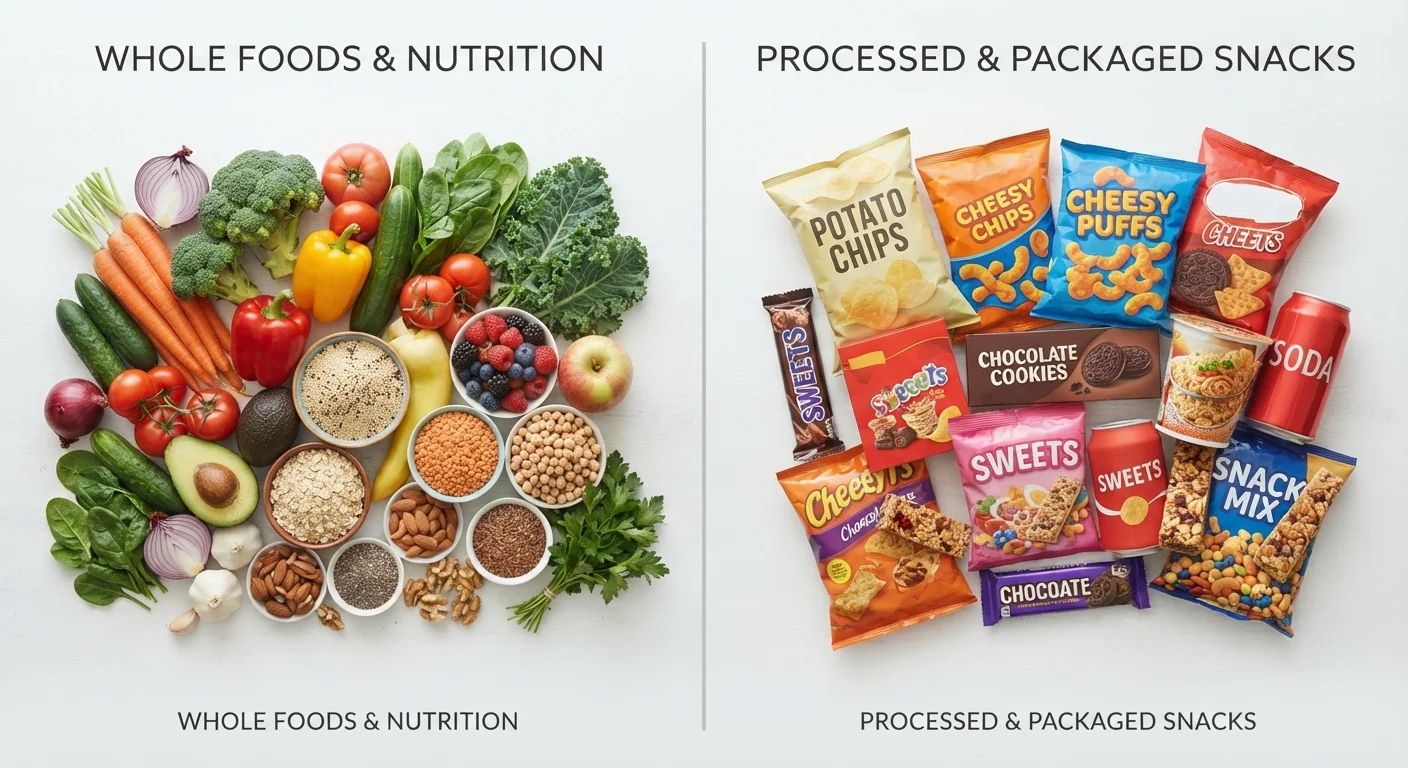
That distinction matters because the health outcomes tied to plant-based diets in research literature are overwhelmingly associated with whole, minimally processed plant foods - not with plant-labeled packaged products. A diet built on lentils, leafy greens, and oats behaves very differently in the body than one built on vegan frozen meals and meat substitutes. See our guide to whole vs. processed foods for a fuller breakdown of that distinction.
Understanding where you fall on that spectrum - and what you're actually replacing - is the first step to making plant-forward eating work for your health.
The Case For: Documented Benefits of Eating More Plants
The evidence supporting plant-forward diets is among the more consistent bodies of nutritional research available. Key benefits supported by large epidemiological studies and meta-analyses include reduced risk of cardiovascular disease, lower rates of type 2 diabetes, and associations with healthier body weight over time.
Linked to lower cardiovascular disease risk
Multiple large studies associate diets high in whole plant foods with lower LDL cholesterol and reduced rates of heart disease. The fiber, potassium, and antioxidant content of vegetables and legumes are among the proposed mechanisms.
Associated with reduced type 2 diabetes risk
Plant-forward diets tend to improve insulin sensitivity and support healthy blood sugar regulation, partly through high fiber intake slowing glucose absorption.
Typically higher in dietary fiber
Most Americans fall well short of recommended fiber intake. Whole plant foods - beans, vegetables, whole grains - are the primary dietary source of fiber, which supports gut health, satiety, and cholesterol management.
Often more affordable as a protein source
Dried legumes and whole grains are among the least expensive protein and calorie sources available at most US grocery stores, making plant-forward eating financially accessible.
Rich in protective phytonutrients
Colorful plant foods supply polyphenols, carotenoids, and other compounds associated with reduced inflammation and lower cancer risk - nutrients largely absent from animal-only food sources.
Plants are also rich in dietary fiber, which feeds beneficial gut bacteria, supports regularity, and is linked to reduced colorectal cancer risk. Most Americans consume far less fiber than public health guidelines suggest is optimal - shifting toward more whole plant foods is one of the most straightforward ways to close that gap.
For budget-conscious households, core plant proteins - dried beans, lentils, canned chickpeas - are among the most affordable protein sources available. Our guide to eating well on a budget covers how to make these staples work practically.
The Case Against: Nutritional Gaps That Require Active Planning
Plant-based diets come with predictable nutritional blind spots. These aren't reasons to avoid plants - they're specific challenges to plan around deliberately.
Vitamin B12 is absent from plant foods
B12 is found almost exclusively in animal products. Those eating fully plant-based diets require a reliable B12 supplement or consistent consumption of fortified foods to avoid deficiency, which can cause neurological damage if prolonged.
Non-heme iron is less bioavailable
Plants contain non-heme iron, which the body absorbs less efficiently than the heme iron in meat. Absorption can be improved by pairing iron-rich foods with vitamin C, but deficiency remains a documented risk for those not monitoring intake.
Omega-3 fatty acids require specific planning
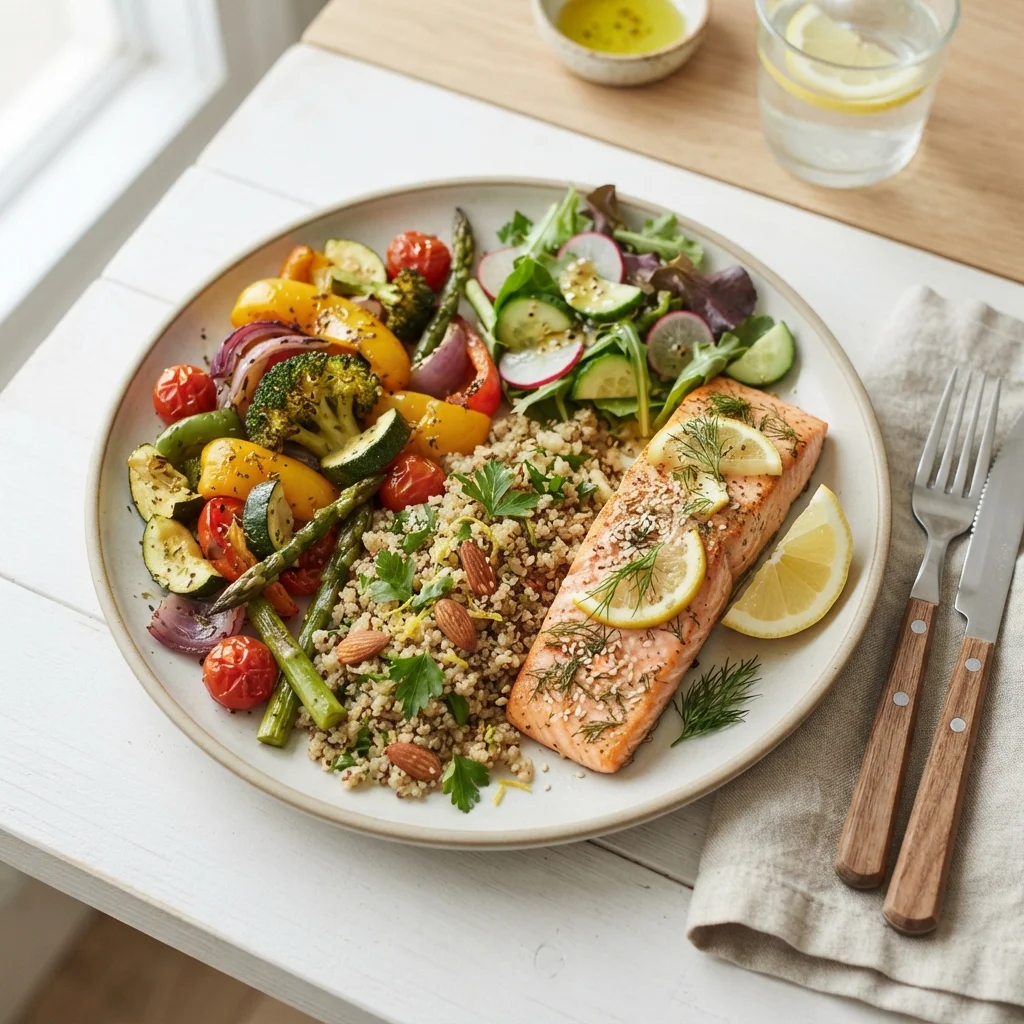
Fatty fish is the dominant dietary source of EPA and DHA, two omega-3s with established heart and brain benefits. Plant sources like flaxseed and walnuts provide ALA, which the body converts to EPA and DHA inefficiently.
Calcium and vitamin D can be insufficient
Without dairy, calcium intake depends heavily on fortified plant milks, tofu made with calcium sulfate, and leafy greens - sources that are adequate but require consistent attention. Vitamin D3 from animal sources is more bioavailable than the D2 in most fortified plant foods.
Zinc absorption is impaired by phytates
Legumes and whole grains contain phytic acid, which binds to zinc and reduces how much the body absorbs. Plant-based eaters generally need higher total zinc intake to meet functional needs.
On Protein Completeness: A Common Misconception
Protein adequacy is more nuanced than simple totals. Plant proteins are often described as "incomplete" because individual sources may be low in one or more essential amino acids. Eating a variety of plant proteins across the day - legumes, whole grains, nuts, seeds - reliably covers all essential amino acids without requiring rigid food combining at each meal. The old rule of combining specific foods at every sitting has largely been revised by nutrition researchers.
Protein adequacy is more nuanced than simple totals. Plant proteins are often described as "incomplete" because individual sources may be low in one or more essential amino acids. Eating a variety of plant proteins across the day - legumes, whole grains, nuts, seeds - reliably covers all essential amino acids without requiring rigid food combining at each meal.
For a practical framework on building nutritionally complete meals, see our article on building a balanced plate.
The Ultra-Processed Trap in Plant-Based Eating
One of the most important caveats in plant-based eating is that "vegan" or "plant-based" labeling does not equal nutritional quality. The market for plant-based packaged foods has expanded rapidly, and many products - meat analogs, dairy-free cheeses, plant-based snack foods - are highly processed, high in sodium, and low in the fiber and micronutrients that make whole plant foods beneficial.
~7%
Americans identifying as fully vegan or vegetarian
Gallup polling has consistently found that strict plant-based dieters remain a small minority, while the majority of those shifting toward plant foods follow a flexitarian pattern.
17g
Average daily fiber intake among US adults
The Dietary Guidelines for Americans recommend 25-38g of daily fiber for adults; most Americans consume less than half that amount, according to USDA dietary data.
Relying on these products as everyday staples rather than occasional convenience items may undermine the core benefits of a plant-forward approach. The pantry staples guide outlines how to keep practical whole-food options on hand without adding complexity to daily cooking.
It's also worth noting that completely eliminating food groups carries behavioral risks alongside nutritional ones. Rigid elimination often creates a difficult relationship with food over time. Why cutting out entire food groups usually backfires explores this pattern in more depth.
This article provides general nutrition information for educational purposes only and is not a substitute for personalized medical or dietary advice. Consult a registered dietitian or qualified healthcare provider before making significant changes to your diet, especially if you have existing health conditions.