The Full Spectrum of Neutrals
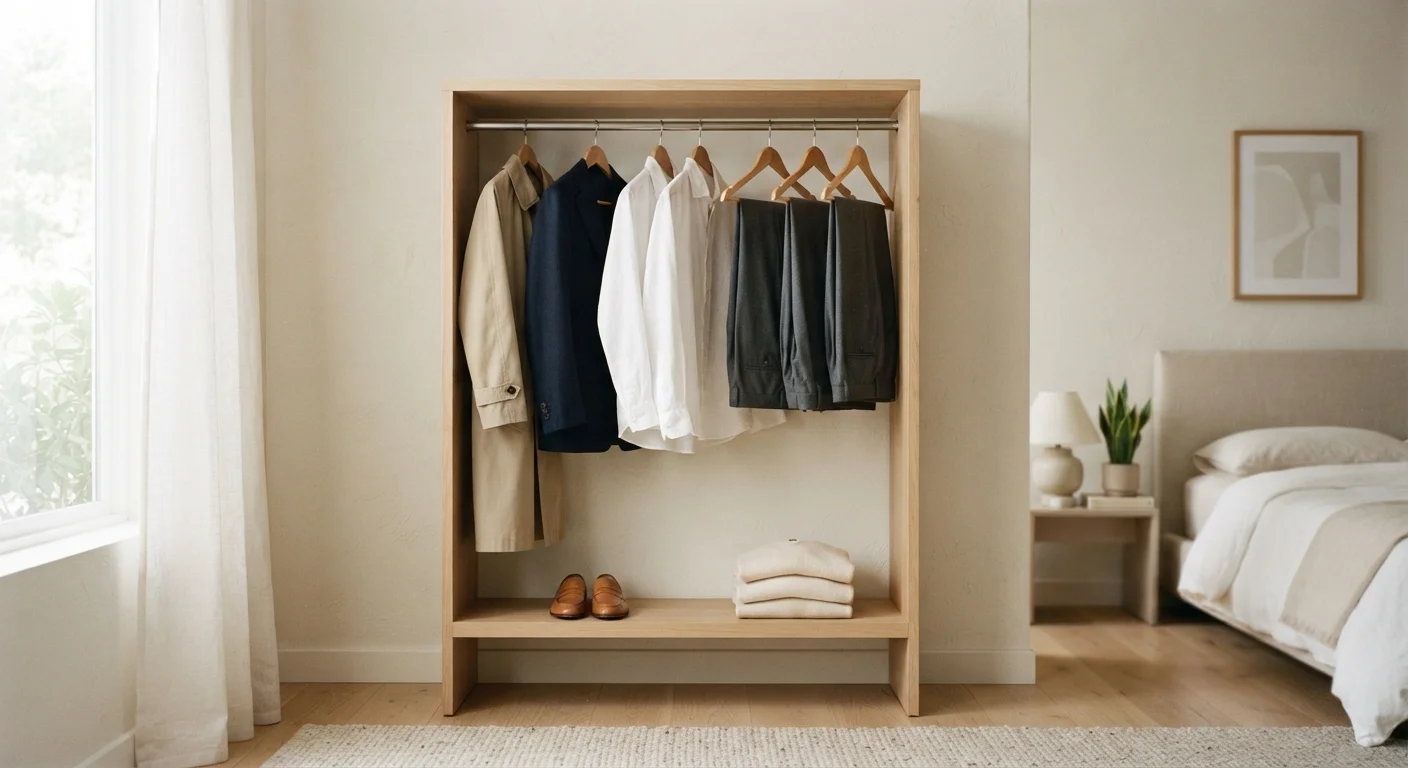
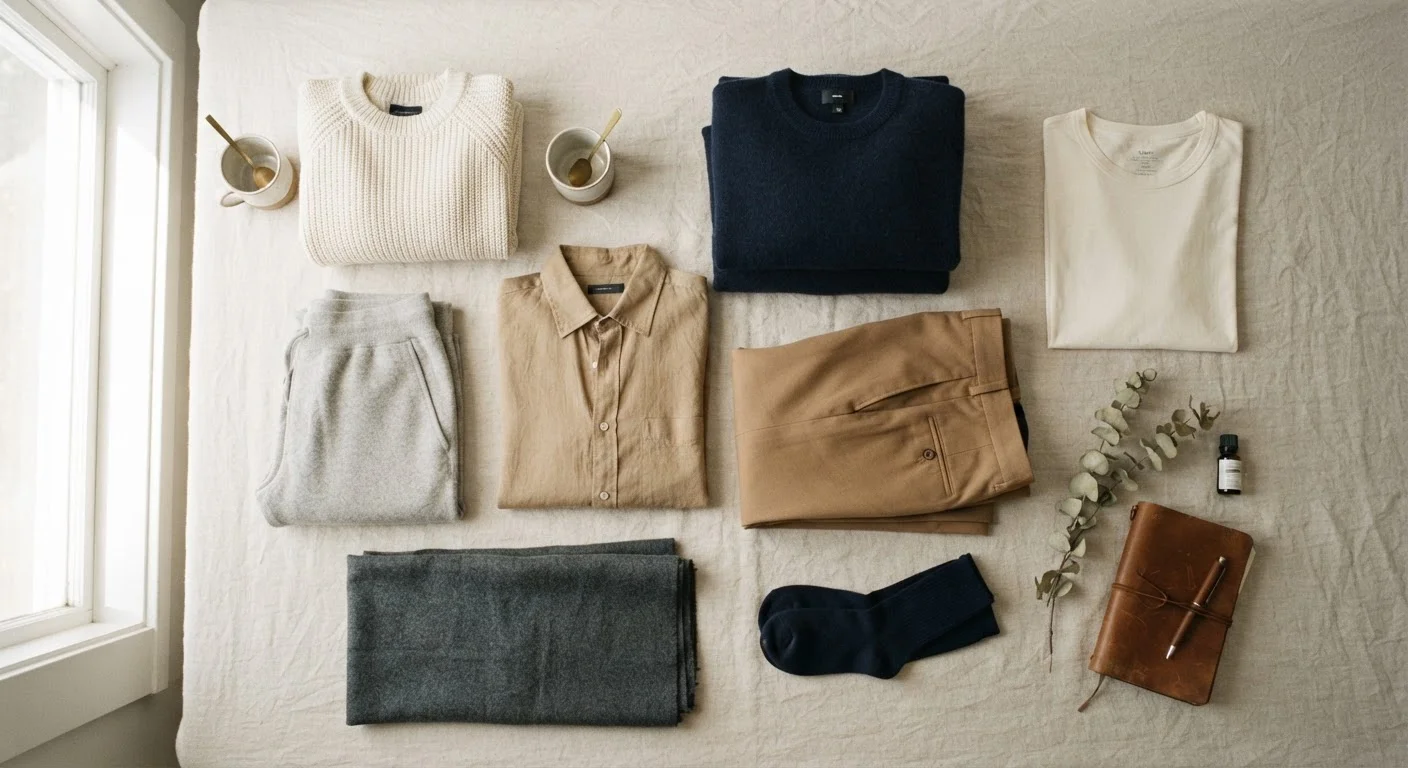
Most people know that black, white, and grey are neutrals. What surprises many shoppers is how much further the category extends. Beige, cream, ivory, tan, camel, warm brown, and taupe all qualify - these are often called earth tones, and they behave like neutrals because their low color saturation makes them easy partners for almost anything else in a closet.
Navy blue and olive green occupy a middle ground. They carry visible hue, but stylists routinely treat them as neutrals because of how flexibly they coordinate. Think of navy as a softer alternative to black, or olive as a warmer stand-in for grey. If a color can sit quietly next to almost anything else without demanding attention, it's functioning as a neutral - regardless of whether it appears on a pure-neutral list.
The 'Does It Work?' Test for Neutrals
The practical test: hold a piece up next to five or six other items you already own. If it coordinates with most of them, it's functioning as a neutral in your wardrobe - even if the shade has a name like 'dusty mauve' or 'slate blue.' A neutral isn't a fixed list; it's a relationship between colors in a specific closet.
The practical test: hold a piece up next to five or six other items you already own. If it works with most of them, it's functioning as a neutral in your wardrobe - even if the color has a name like 'dusty mauve' or 'slate blue.'
Why Neutrals Form the Backbone of Any Smart Wardrobe
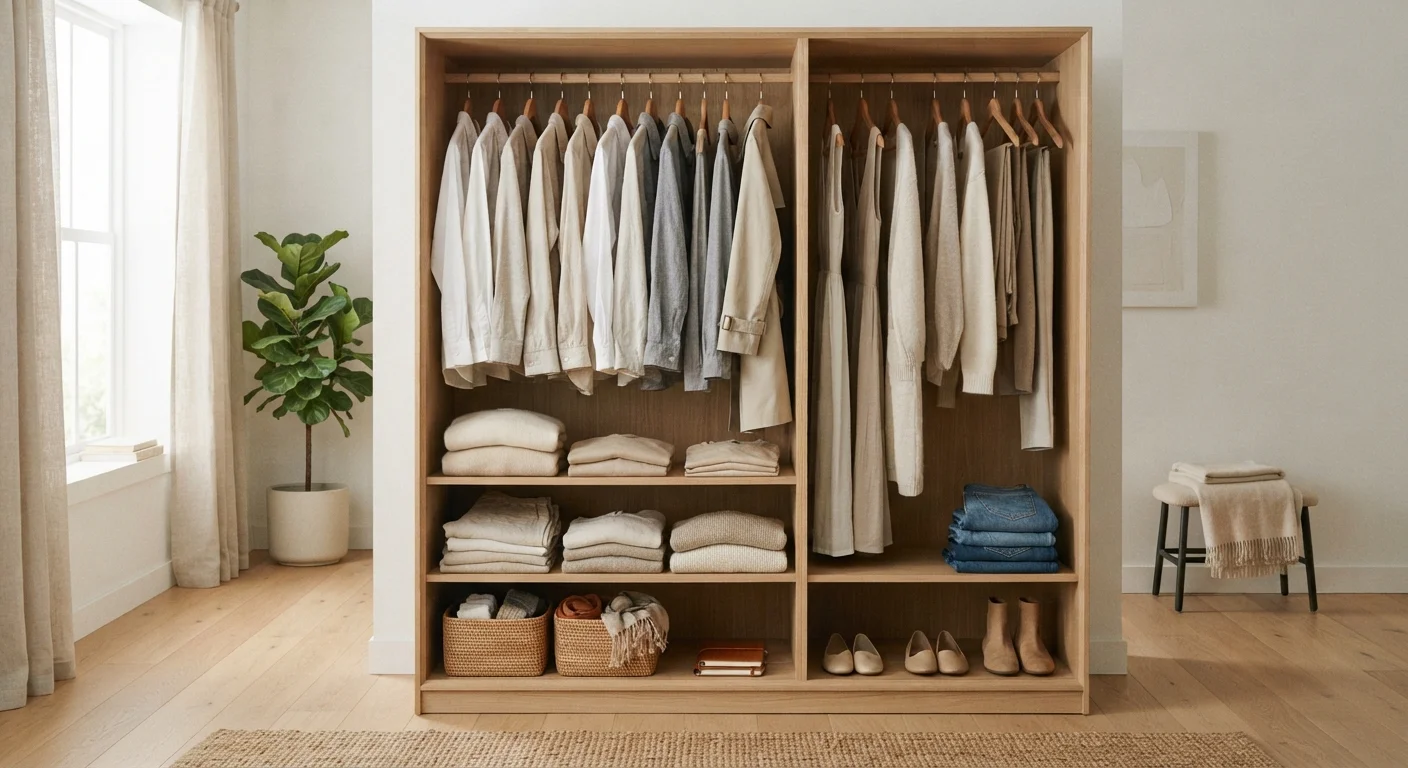
A wardrobe built on neutrals solves one of the most common dressing frustrations: the feeling that nothing goes together. When your core pieces - trousers, jeans, blazers, basic tops, everyday shoes - are all neutrals, almost any combination you pull from the closet will work. That's not a coincidence; it's how the math of color coordination actually operates.
This is the logic behind the capsule wardrobe concept: a small set of versatile, coordinating pieces that generate a disproportionate number of outfits. Neutrals are the engine of that system. They're also why building a wardrobe from the ground up almost always starts with neutral foundations before color enters the picture.
~70%
Of outfit combinations enabled by neutral pieces
Wardrobe organization research consistently suggests that a small set of neutral core pieces generates the majority of wearable outfit combinations in most people's closets.
3-5
Neutral anchor pieces most stylists recommend as a starting minimum
Fashion educators broadly suggest that owning at least three to five well-fitted neutral foundations - in bottoms, tops, and outerwear - is sufficient to begin building a functional, coordinating wardrobe.
Keeping All-Neutral Outfits from Looking Flat
The most common criticism of neutral dressing is that it looks dull. That concern usually points to a texture problem, not a color problem. When every piece in an outfit has the same fabric weight and surface finish, the look loses dimension. The fix is straightforward: vary your materials.
Try pairing a chunky knit sweater with slim tailored trousers, or a matte linen shirt with polished leather accessories. A ribbed cream top reads completely differently than a smooth satin blouse in the same shade - and that contrast is doing the visual work that color would otherwise handle. Proportion matters too: a relaxed, oversized silhouette balanced against something fitted keeps the eye moving in an interesting way.
Use Texture as Your Secret Color
When building an all-neutral outfit, treat fabric texture the way you'd treat color contrast. A matte and a sheen, a chunky knit and a smooth weave, raw linen and polished leather - these combinations create visual depth without adding a single new hue. Start with two different textures per outfit and adjust from there.
Introducing Color Into a Neutral Wardrobe
Once your neutral foundation is in place, adding color becomes genuinely fun rather than stressful. The approach that works most reliably is choosing one or two accent colors you're drawn to and letting those be the only non-neutrals you invest in. That way, every colorful piece you own coordinates with every neutral piece - and even with each other, since they share a palette.
Accent pieces work best in accessories, outerwear, and statement layers, where they can be swapped in or out without rebuilding an outfit. A terracotta bag, a cobalt blue scarf, or a forest green jacket can each transform the same neutral base outfit into something that feels distinctly different. If the result ever feels like too much, troubleshooting why outfits don't come together often reveals it's a proportion or quantity issue - one accent at a time is a reliable starting point.
When you're ready to move beyond basics, pattern mixing and proportion builds directly on the neutral foundation this article describes.