
Why Social Bonds Are a Mental Health Factor, Not Just a Comfort
Most people understand intuitively that relationships feel good. What's less obvious is how profoundly social connection shapes brain chemistry, stress regulation, and long-term cognitive health. Research across decades and populations points to a consistent pattern: people with stronger social ties tend to report better mood, lower rates of anxiety and depression, and even slower cognitive decline as they age.
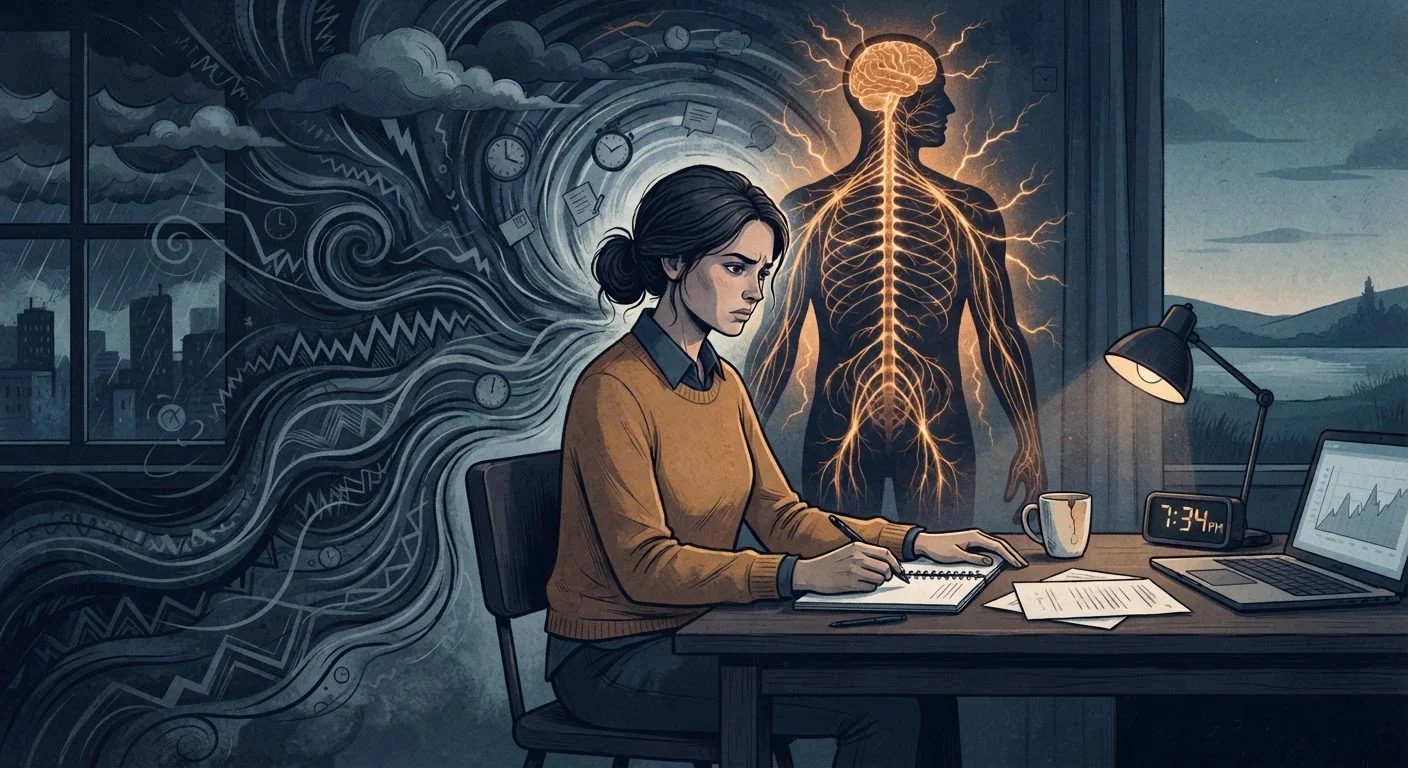
The mechanism isn't mysterious. When we feel genuinely connected to others, our nervous systems respond. Perceived social safety can lower baseline levels of cortisol - the body's primary stress hormone - while meaningful interaction is associated with activity in brain regions linked to reward and positive affect. Isolation, by contrast, can trigger threat-detection responses that keep the body in a low-grade state of physiological stress. You can read more about what that kind of chronic stress does internally in our guide to how stress affects your body and mind.
This article is for general informational purposes only and is not a substitute for professional medical or mental health advice. If you are experiencing significant distress, please consult a qualified healthcare provider.
What the Evidence Actually Says About Loneliness
Loneliness is not simply being alone. It's the subjective feeling that your social needs aren't being met - and that distinction matters. Someone surrounded by people can feel profoundly lonely, while someone who lives alone may feel richly connected. The research on loneliness focuses on this perceived gap between desired and actual connection.
~26%
U.S. adults reporting frequent loneliness
A 2023 Gallup survey found roughly one in four American adults reported feeling lonely a significant portion of the time, highlighting loneliness as a widespread public health concern.
50%
Higher survival odds linked to strong social ties
A widely cited meta-analysis published in PLOS Medicine found that people with adequate social relationships had a roughly 50% greater likelihood of survival compared to those with poor or insufficient social connection.
Studies have found that persistent loneliness is associated with elevated inflammatory markers, disrupted sleep, and reduced immune function. It also appears to interact with mental health conditions: loneliness can both worsen and be worsened by depression, creating a cycle that's harder to interrupt the longer it persists. For a closer look at how these emotional and physical patterns overlap in shared spaces, see how stress spreads through a household.
Best Practices for Nurturing Social Connection Over Time
The good news is that social health is genuinely modifiable. Unlike some risk factors for mental illness, the quality and frequency of your relationships are things you can actively shape. The practices below reflect what behavioral and social science research consistently identifies as effective - not one-time fixes, but sustainable habits that tend to compound over months and years.
Prioritize depth over breadth in your relationships.
Research consistently shows that the quality of social bonds - characterized by trust, reciprocity, and emotional safety - predicts mental health outcomes more reliably than the sheer number of connections. A few relationships where you feel genuinely known tend to offer more protection against depression and anxiety than a large but superficial social network.
Make contact small, frequent, and consistent rather than occasional and grand.
People often wait for a significant reason to reach out - a birthday, a crisis - when evidence suggests that low-stakes, frequent contact is actually more effective at sustaining closeness. Brief, regular interactions maintain the sense of presence that deeper connection depends on.
Engage in shared activities rather than relying solely on conversation.
Doing things alongside others - cooking, hiking, playing games, volunteering - builds what researchers sometimes call 'parallel bonding.' This form of connection can feel lower-pressure than face-to-face emotional disclosure, making it more accessible for people who find intimacy difficult.
Be intentional about digital versus in-person contact.
Digital communication can sustain connection, but research suggests it rarely creates the same depth of benefit as in-person interaction, particularly for reducing loneliness. Passive consumption of others' social media activity - scrolling without engaging - may even worsen feelings of exclusion.
Practice being a reliable, responsive presence for others.
Connection is bidirectional. People who consistently show up for others - who follow through, who listen without rushing to fix, who remember what matters to their friends - report greater social satisfaction themselves. Giving and receiving support are both associated with wellbeing benefits.
Recognizing When Social Disconnection Needs More Than Habit Change
Not every experience of loneliness or social withdrawal resolves with better habits. Sometimes persistent isolation is a symptom of an underlying condition - depression, social anxiety, grief, or burnout - that warrants professional support. If efforts to connect consistently feel impossible, frightening, or meaningless, that's worth discussing with a mental health professional rather than pushing through alone.
When to Bring a Professional Into the Conversation
If social withdrawal feels involuntary, if loneliness has persisted for months, or if attempts to connect bring anxiety rather than relief, these are reasonable signals to talk with a therapist or counselor. Mental health professionals can help identify whether an underlying condition is shaping your social experience and offer strategies tailored to your specific situation. Good sleep also plays a significant role here - see how sleep supports emotional resilience for context on that connection.
It's also worth watching for the point at which everyday stress and emotional strain escalate into something more persistent. Our article on signs your stress has become something to address can help you recognize when to seek additional support. And if daily behaviors may be quietly working against your emotional balance, habits that undermine emotional balance is worth a read alongside this one.