The Biology Behind the Feeling
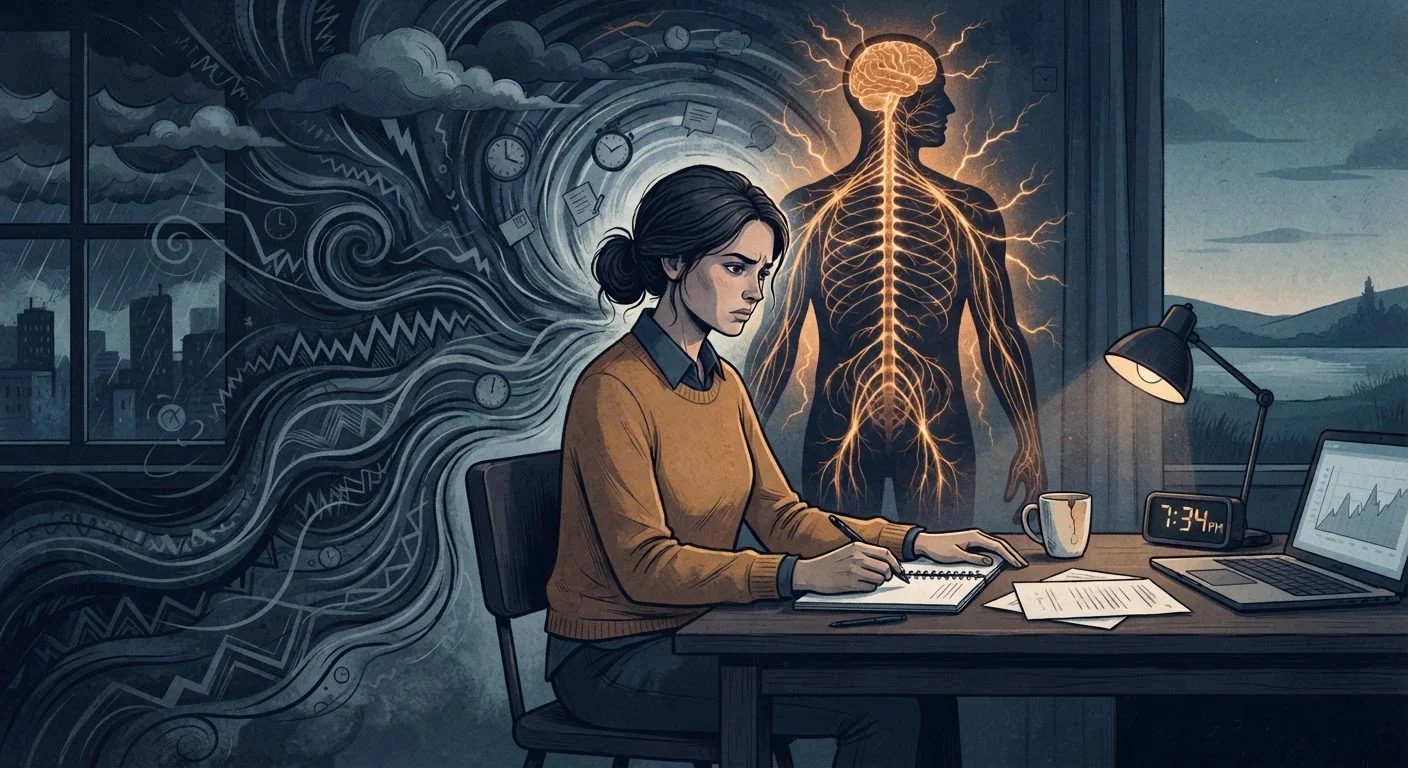
When you sense a threat - whether it's a car cutting you off or a looming deadline - your brain's amygdala triggers an alarm. Within seconds, your adrenal glands flood your system with adrenaline (epinephrine) and cortisol. Heart rate climbs. Breathing quickens. Blood flows toward your muscles and away from your digestive tract. Your body is preparing to fight or flee.
This response evolved to handle physical dangers. In short bursts, it's genuinely useful - it sharpens reaction time and can even improve focus. The problem is that modern stressors rarely switch off cleanly. Financial pressure, family conflict, and work demands can keep the alarm ringing long after the immediate threat has passed.
For a fuller picture of how stress fits into overall mental well-being, see the comprehensive guide to mental wellness, which covers how these biological systems interact with other pillars of health.
77%
Adults reporting physical stress symptoms
According to American Psychological Association surveys, a large majority of U.S. adults report experiencing physical symptoms they attribute to stress.
3 in 4
People say stress affects their health
APA's annual Stress in America reports consistently find that most American adults connect their stress levels to tangible health consequences.
~6 hrs
Average sleep lost per high-stress week
Research on stress and sleep suggests chronic stress is among the leading behavioral contributors to insufficient sleep in working-age adults.
How Chronic Stress Affects Your Body
When cortisol stays elevated for weeks or months, the wear on your body becomes measurable. Here's where the effects are most commonly felt:
- Immune function: Chronic cortisol suppresses immune activity, making it harder for your body to fight infections and recover from illness.
- Digestion: Stress redirects blood away from the gut and can disrupt the gut microbiome, contributing to bloating, cramping, or irregular bowel habits.
- Cardiovascular system: Persistently elevated heart rate and blood pressure add strain to the heart and blood vessels over time.
- Sleep: Cortisol naturally peaks in the morning and dips at night. Chronic stress blurs this rhythm, making it harder to fall asleep or stay asleep. This matters deeply - quality sleep is foundational to emotional resilience, and stress erodes both together.
- Hormonal balance: Sustained HPA axis activation can interfere with reproductive hormones and thyroid function, though individual responses vary significantly.
Notice Your Body's Early Warning Signals
Stress rarely announces itself loudly at first. Tight shoulders, a clenched jaw, shallow breathing, or a quickened pulse are often the earliest signs your nervous system is activated. Developing a habit of briefly checking in with your body during the day - even just a few seconds - can help you catch stress earlier, before it compounds. This kind of body awareness is a learnable skill, not an innate trait.
What Stress Does to Your Mind
Stress doesn't stay in the body - it reshapes how you think, feel, and relate to others. Cognitively, elevated cortisol narrows attention and makes abstract, long-range thinking harder. You may find yourself reactive rather than reflective, or stuck ruminating on problems without finding solutions.
Emotionally, chronic stress lowers your threshold for frustration and reduces your capacity for patience - with yourself and with the people around you. It's one reason stress rarely stays contained to one person in a household. As our related piece explores, stress spreads through families in measurable ways, often through tone, behavior, and withdrawn connection.
Chronic stress is also closely linked to anxiety and low mood. While stress itself is not a clinical diagnosis, prolonged activation of the stress response can cross into territory that warrants professional attention. Understanding the difference matters - learn more in signs your stress has shifted into something that deserves attention}.
Building Awareness as a Starting Point
You can't manage something you can't recognize. Stress signals vary between people - some notice tension in their shoulders and jaw, others experience irritability, brain fog, or a flattened appetite. Getting familiar with your own early signals gives you more room to respond before stress compounds.
Common evidence-supported habits that support the nervous system's recovery include regular physical movement, consistent sleep timing, and social connection. Research consistently shows that strong social relationships buffer against the harmful effects of chronic stress.
None of these are quick fixes, and there's no single solution that works for everyone. If stress is persistent, disrupting your daily life, or accompanied by physical symptoms that worry you, please speak with a qualified healthcare provider. This article is general health information - it is not a substitute for professional medical advice.
This article is for informational purposes only and is not medical advice. Always consult a qualified healthcare professional for concerns about your physical or mental health.