What Happens to Your Emotions When You Don't Sleep
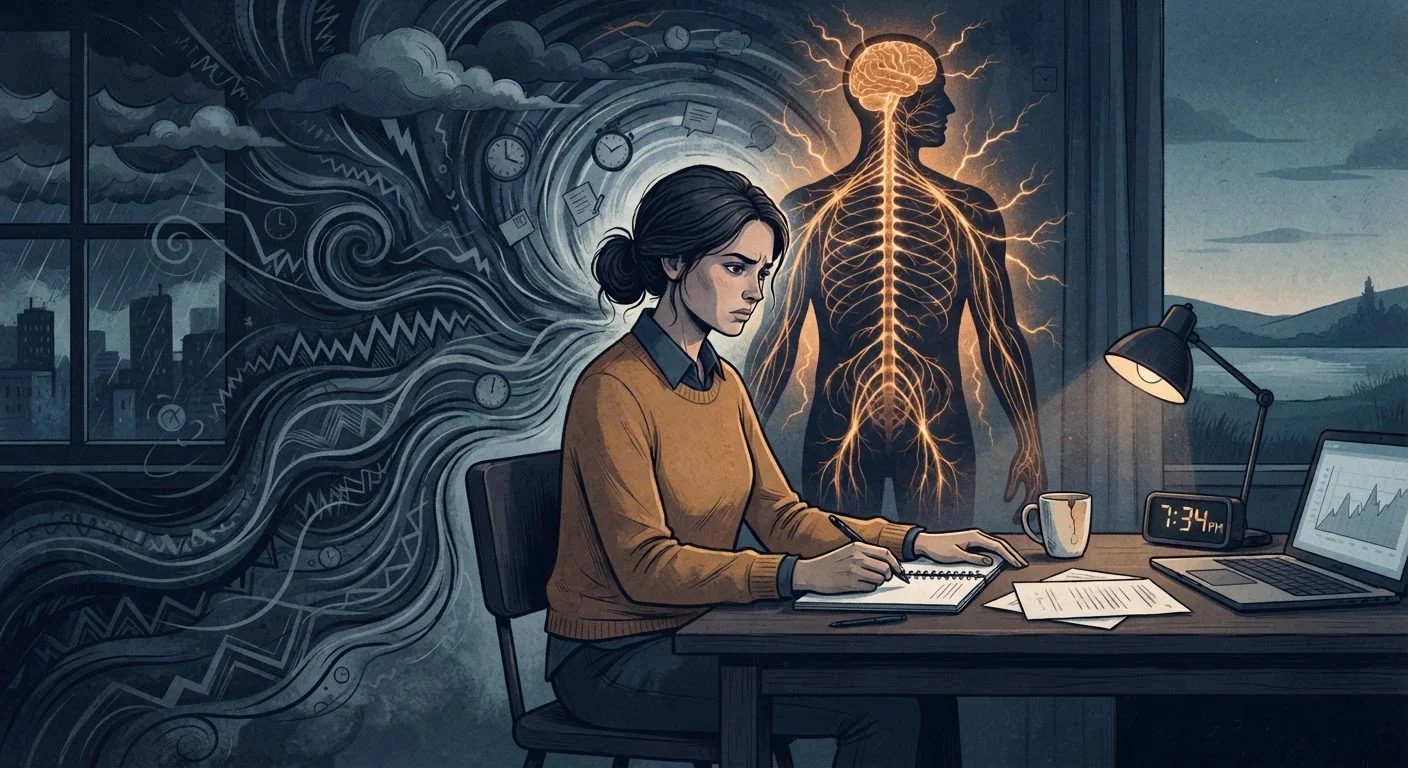
Most people have experienced a sleepless night followed by a day where small frustrations feel enormous. That's not just a feeling - it reflects measurable changes in how the brain works. Research using neuroimaging has consistently shown that sleep-deprived brains show significantly greater reactivity in the amygdala, the region responsible for detecting and responding to emotional threats.
What changes is not just how intensely you feel something, but how quickly the rational parts of your brain - particularly the prefrontal cortex - step in to put the brakes on that reaction. Sleep loss weakens that regulatory connection. The result is that emotions arrive faster, hit harder, and linger longer than they otherwise would.
This matters for everyday life. Increased emotional reactivity is linked to strained relationships, poor decision-making under pressure, and a reduced sense of control over one's own responses - all of which erode the very resilience we need to navigate stressful circumstances. To understand how stress and emotional reactivity interact, see what chronic stress does to the mind and body.
The Role of REM Sleep in Processing Emotions
Not all sleep stages are equal when it comes to emotional health. REM sleep - the stage associated with vivid dreaming - appears to play a specific and important role in how the brain processes emotionally significant experiences from the day.
During REM sleep, the brain replays memories while simultaneously suppressing the release of norepinephrine, a stress-related neurochemical. This combination allows the brain to consolidate the informational content of an experience while reducing the emotional charge attached to it. In practical terms, events that feel raw and overwhelming the night they happen often feel more manageable after sleep.
“Sleep is the single most effective thing we can do to reset our brain and body health each day - and it is the foundation upon which good mental and physical health is built.”
— Matthew Walker, Professor of Neuroscience and Psychology, University of California, Berkeley; author of research on sleep and brain function
Consistently cutting REM sleep short - which happens with alcohol consumption before bed, highly variable sleep schedules, or simply sleeping too few hours - interferes with this process. Unprocessed emotional memories can accumulate, raising baseline emotional sensitivity over time.
Chronic Sleep Loss Adds Up Quietly
A common misunderstanding is that the effects of sleep debt are obvious. In reality, people often adapt to a chronically under-slept state and lose accurate awareness of how impaired they've become. Research has shown that individuals sleeping six hours per night for two weeks perform as poorly on cognitive and emotional tasks as those who have been kept awake for 24 hours - but they don't report feeling that impaired.
60%
Adults sleeping under 7 hours on workdays
CDC surveillance data has found that approximately 1 in 3 American adults regularly get less than the recommended amount of sleep.
2x
Amygdala reactivity increase after sleep deprivation
Neuroimaging studies have found amygdala responses to negative stimuli can be significantly amplified - in some studies more than doubled - following one night of sleep deprivation.
14 days
Duration for chronic partial sleep loss to impair like total deprivation
Research published in peer-reviewed sleep journals found that two weeks of six-hour sleep nights produced cognitive and emotional impairments comparable to 24 hours of total wakefulness.
This is relevant because most sleep problems affecting emotional health are not dramatic single episodes of total sleeplessness. They are gradual, cumulative deficits: the routine late nights, the alarm set an hour earlier than the body needs, the weekend "catch-up" that never fully compensates. Everyday habits that quietly undermine emotional balance often include sleep-related patterns that go unnoticed until the effects become difficult to ignore.
Building Sleep into a Mental Wellness Strategy
Framing sleep as a mental wellness practice - rather than a passive default - shifts how people approach it. A few evidence-supported principles are worth internalizing:
- Consistency matters more than duration alone. A stable wake time anchors the body's circadian rhythm, which influences mood regulation, cortisol patterns, and alertness throughout the day.
- Wind-down matters. The hour before sleep shapes sleep quality. High-stimulation content, work emails, and bright screens delay melatonin release and raise alertness at the wrong time.
- Sleep is social, too. Household routines affect everyone under the same roof. Family sleep research highlights how shared habits and schedules ripple across age groups.
Start With One Consistent Wake Time
If improving sleep feels overwhelming, anchor one habit first: set a consistent wake time and keep it seven days a week. This single change supports your circadian rhythm more reliably than any other single adjustment. Your body will begin to consolidate sleep more efficiently over time, even before other habits change.
Sleep is one pillar within a broader mental wellness picture. A comprehensive guide to mental wellness explores how sleep, stress, social connection, and other factors interact. And the evidence on how social connection shapes mental health underscores that no single habit works in isolation.
This article is for general informational and educational purposes only and is not a substitute for professional medical advice, diagnosis, or treatment. If you have concerns about your sleep or mental health, please consult a qualified healthcare professional.