Why the Megapixel Number Gets So Much Attention
When smartphone makers list camera specs, megapixel count is usually the first number you see. It's easy to compare: 200MP sounds twice as good as 100MP, and that simple math feels intuitive. Marketing has leaned on this for decades - first in digital cameras, now in phones.
The problem is that megapixels describe only one dimension of image quality: resolution, or how many pixels are recorded. They say nothing about color accuracy, dynamic range, low-light capability, or how natural a photo looks. This is similar to judging a TV purely by its resolution number - as our guide on what 4K and HDR actually mean for your living room explains, the number on the box is only part of the story.
12MP
Resolution used for many professional-quality prints
A 12-megapixel image can produce a sharp 8×10 inch print at standard print resolution (300 ppi), a benchmark used in professional photography contexts.
~75%
Quality reduction from social media compression
Major social platforms routinely compress uploaded images, often reducing file size by 60-80%, which effectively erases any visible benefit of very high megapixel counts for sharing purposes.
3-4×
File size difference: 12MP vs. 50MP uncompressed image
Higher megapixel photos consume proportionally more storage; a 50MP RAW image can be three to four times larger than a 12MP equivalent captured in the same format.
The Specs That Actually Drive Everyday Image Quality
Several hardware factors consistently have more impact on your daily photos than megapixel count alone:
- Sensor size: A physically larger sensor captures more light per exposure. More light means less noise and better color, especially in dim conditions. Manufacturers sometimes cram more megapixels onto a smaller sensor, which can actually reduce per-pixel quality.
- Pixel size: Measured in micrometers (μm), larger individual pixels gather more light. Some phones use pixel-binning - combining multiple small pixels into one - to simulate a larger effective pixel in lower light.
- Aperture (f-stop): A lower f-number (such as f/1.8 vs. f/2.4) means a wider aperture, letting in more light. This has a direct effect on low-light performance and background blur (bokeh).
- Optical Image Stabilization (OIS): OIS physically counteracts hand movement during a shot, reducing blur in handheld photos and video without relying on software tricks.
Check Aperture Before Megapixels
When comparing camera specs, look at the main lens aperture (the f-number) before the megapixel count. A lower f-number - like f/1.6 or f/1.8 - means more light reaches the sensor on every shot, which has a direct effect on everyday photo quality. This single spec is often more predictive of real-world results than resolution alone.
Together, these hardware elements set the ceiling for what a camera can capture. Software then determines how close to that ceiling your actual photos get.
How Software Shapes the Photo You Actually Get
Modern smartphones rely heavily on computational photography - the automatic software processing that happens in milliseconds after you press the shutter. This includes HDR blending (merging multiple exposures), AI-driven noise reduction, scene detection that adjusts color and contrast, and portrait-mode depth simulation.
The result is that two phones with identical megapixel counts can produce dramatically different photos depending on how well their image signal processor (ISP) and algorithms perform. This is a key reason why sample photos and independent camera tests are often more useful than spec comparisons alone. Just as streaming picture quality can disappoint despite impressive numbers, camera specs can mislead without real-world context.
Practical Guidance: Reading Camera Specs More Usefully
Before dismissing or obsessing over a megapixel number, ask a few practical questions:
- How will you use your photos? Social media and messaging apps compress images significantly - a 12MP photo is indistinguishable from a 50MP photo after compression. Large-format printing is a different story.
- How often do you shoot indoors or at night? If low-light photography matters to you, prioritize aperture and sensor size information over resolution specs.
- Do you crop photos heavily? Cropping down to a small detail benefits from higher resolution, since you're discarding most of the image and need remaining pixels to hold detail.
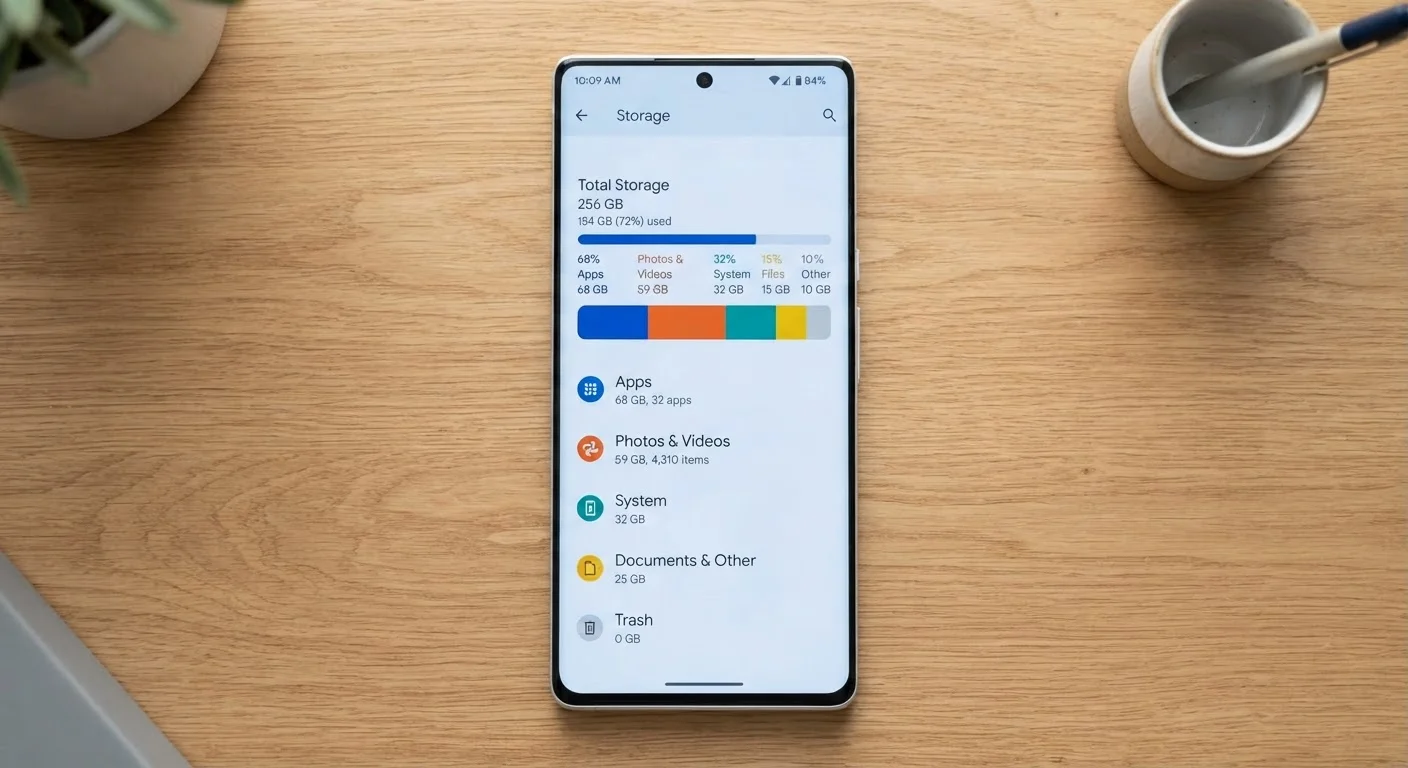
Keep in mind that high-resolution images also take up substantially more storage space. If you shoot frequently, this is worth factoring in - see our overview on how much phone storage you actually need for context on managing space.
If you're evaluating a new phone purchase more broadly, a structured approach helps cut through the marketing noise. A pre-purchase checklist can help you focus on features that match your real daily habits rather than headline specs.
Spec Sheets Describe Potential, Not Guarantees
Camera specifications describe what a sensor and lens system are capable of under ideal conditions. Real-world results vary based on lighting, movement, scene complexity, and how aggressively the phone's software processes the image. Independent camera comparisons using standardized test conditions are a more reliable guide than spec numbers alone when evaluating actual photo quality.