What Each Device Actually Does
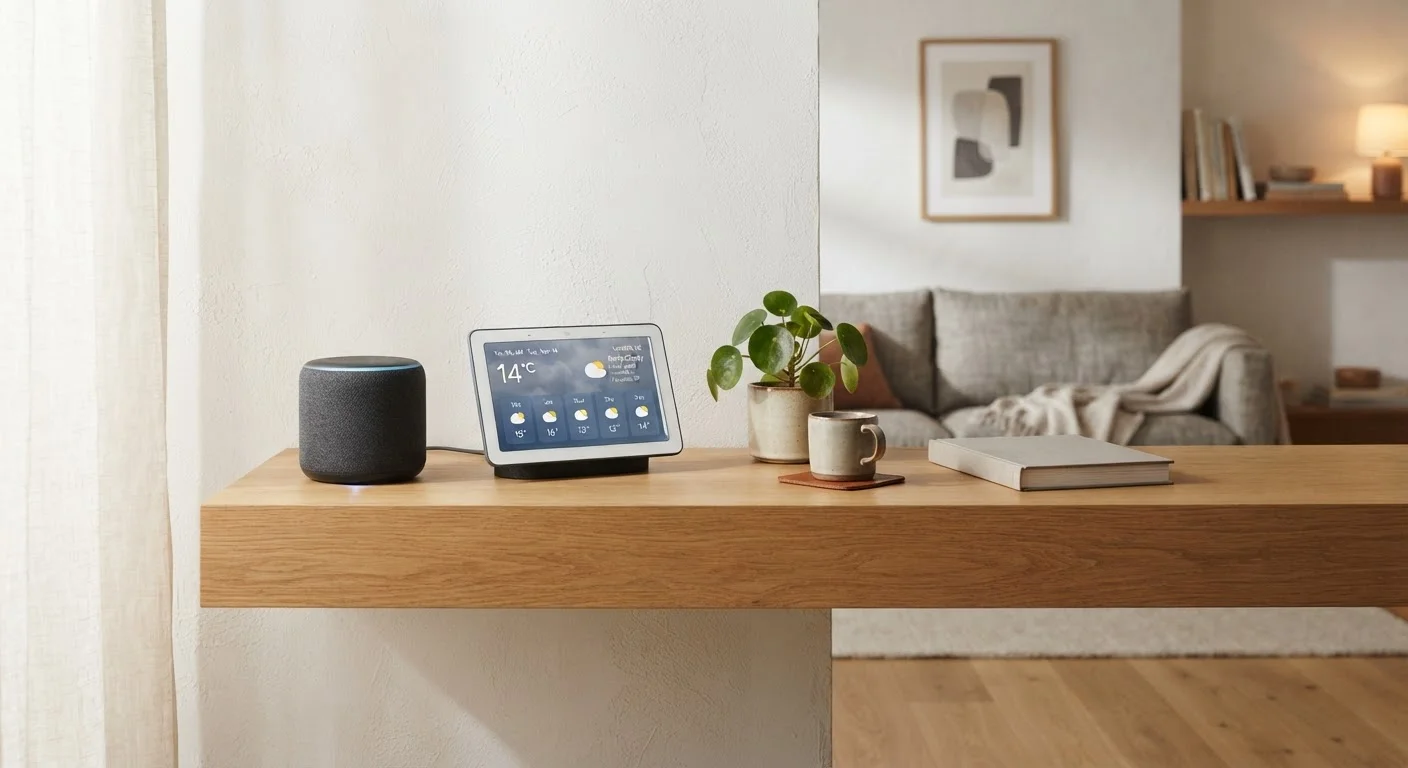
Both smart speakers and smart displays are voice-activated devices that can play music, answer questions, control compatible smart home gadgets, and set reminders. The meaningful difference is the screen.
A smart speaker is essentially a microphone, a processor, and audio drivers in a compact housing. You speak to it; it responds through sound. There is nothing to look at, which keeps the experience simple and unobtrusive.
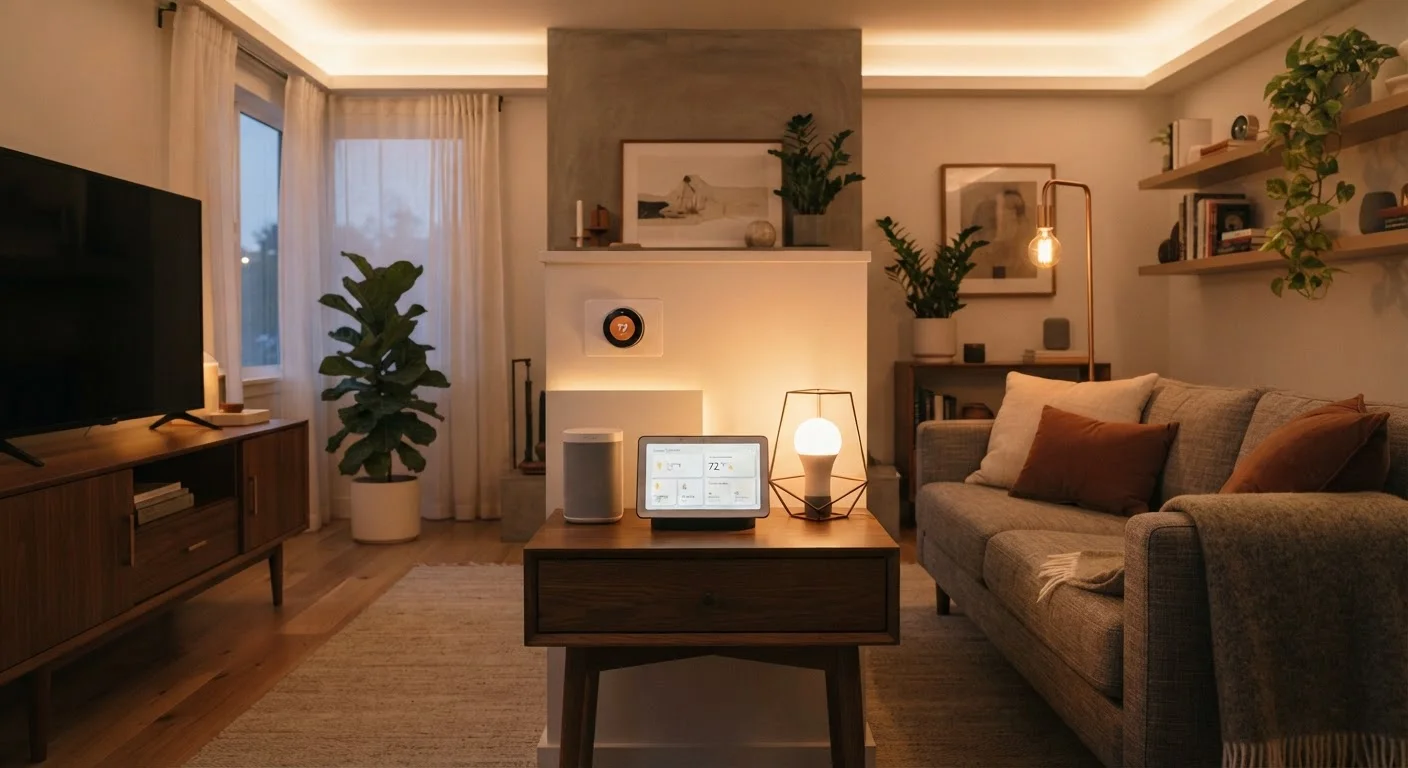
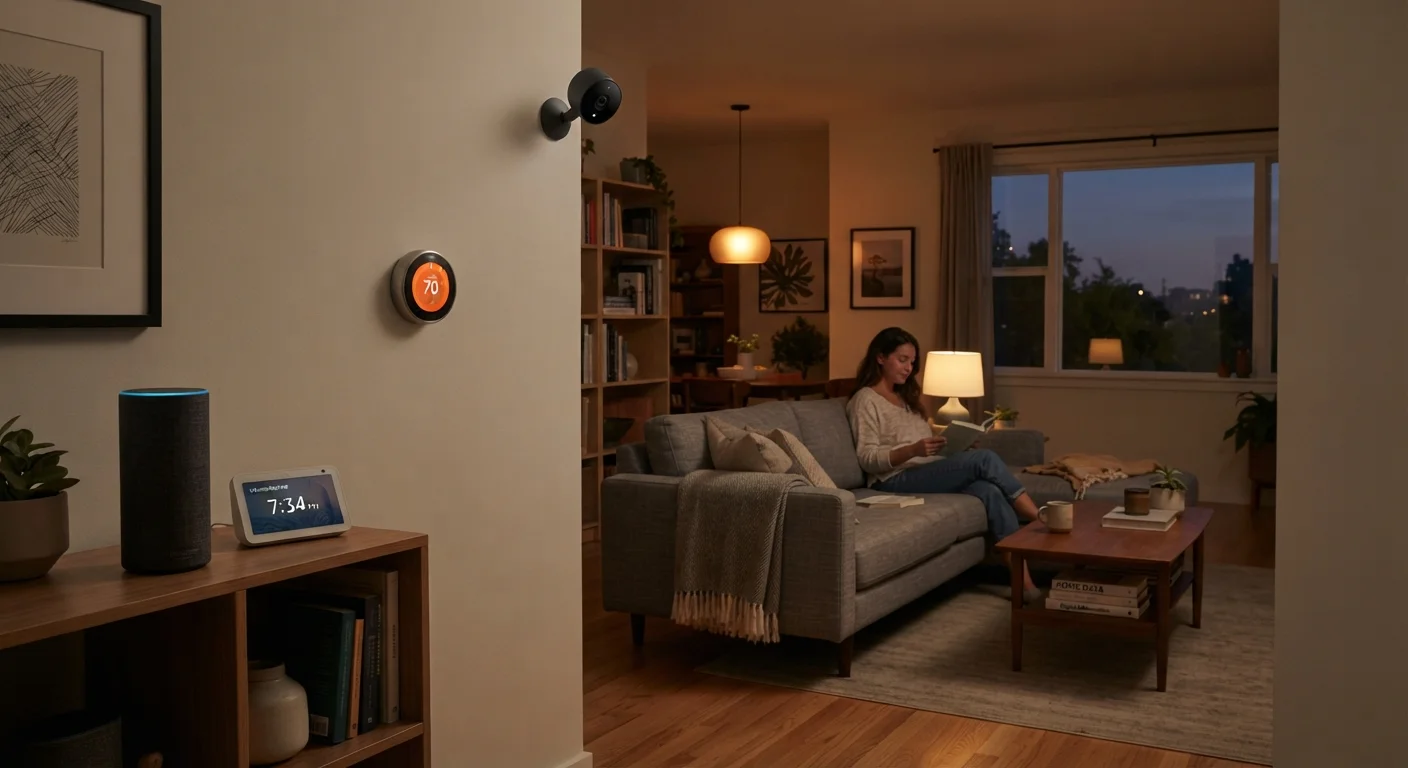
A smart display adds a touchscreen - typically ranging from five to fifteen inches diagonally - that surfaces information visually. When you ask about the weather, a forecast appears. When a doorbell camera detects motion, you can pull up a live feed on the screen without unlocking your phone. That visual layer changes how the device fits into daily life.
Before deciding, it helps to understand what a hub-style device actually manages in your home. See what smart home hubs do and when you need one for a clear breakdown of that role.
Head-to-Head Comparison
The table below contrasts the two device types across the dimensions that matter most to everyday households. Individual products within each category will vary, so treat these as general patterns rather than universal rules.
| Criterion | Smart Speaker | Smart Display |
|---|---|---|
| Screen | None | Touchscreen (5"-15" typical) |
| Voice control | Full support | Full support |
| Video calling | Audio only | Video and audio |
| Camera feed viewing | Not supported | Supported on-screen |
| Typical price range | Lower entry cost | Generally higher cost |
| Physical footprint | Compact, easy to place | Larger, needs clear surface |
| Audio performance | Often stronger for size | Varies; screen trades space |
| Built-in camera | No | Yes (most models) |
One factor the table cannot fully capture: interaction style. Smart speakers reward voice-first households - people comfortable asking a device out loud to dim the lights or add milk to a shopping list. Smart displays reward households that want to glance at information passively or tap a screen quickly, more like a tablet than a radio.
Audio Quality: Does the Screen Come at a Cost?
Many buyers assume a smart display's audio is necessarily weaker because the device is doing more. That is partly true for compact models, where the screen takes up physical space that could otherwise house larger speaker drivers. However, larger display models often include respectable speaker arrays designed for room-filling sound.
If high-fidelity listening is a priority - music sessions, podcasts, audiobooks - a dedicated smart speaker from the same product family will generally outperform a same-sized display. If audio is secondary to visual utility, a display's sound output is usually adequate for kitchen background music or news briefings.
For readers who want to go deeper on home audio generally, our guide on how speakers, sound bars, and surround systems differ covers what shapes audio performance in real rooms.
Privacy Considerations
Both device types use always-on microphones - a known tradeoff in smart home technology. Smart displays add cameras, which expands the potential data footprint. Most displays include a physical camera shutter or a hardware mute switch, but those features only help if you use them consistently.
Neither device type is inherently unsafe, but both collect usage data that is processed by the manufacturer's cloud services. Understanding what that means for your household is worthwhile before buying. Our companion piece on smart home devices and data collection explains what information these devices gather and what controls you have.
A Note on Microphone and Camera Controls
Most smart speakers and displays include a hardware mute button that physically disconnects the microphone. Smart displays with cameras typically add a physical shutter. These are meaningful privacy tools, but they require a deliberate habit to use. Review your device's privacy settings after setup and periodically check what data-sharing options are enabled by default.
Making the Right Call for Your Home
The honest answer is that neither device type is universally superior - they optimize for different households. A single person who uses a device mainly for music and weather checks may find a smart display's added cost and complexity unnecessary. A family that wants to video chat with grandparents, monitor a front door camera, and follow recipes hands-free will likely find the screen earns its place quickly.
Placement matters too. Bedrooms and offices often suit a compact, screenless speaker. Kitchens and living rooms - where multiple household members pass through and need at-a-glance information - tend to get more value from a display.
If you are weighing connectivity options for other smart home devices at the same time, wired vs. wireless smart home devices is a practical next read. And if budget is a factor in every smart home decision, the smarter spending section offers guidance on making confident, value-driven choices.