Why Layering Order Actually Matters
Skincare products aren't magic on their own - they need to reach your skin effectively to do anything. When you apply a thick cream before a water-based serum, the heavier formula acts as a barrier that blocks the lighter one from absorbing. You've essentially wasted the product.
The core principle is simple: go from thinnest to thickest. Water-based, lightweight formulas absorb fastest and should go on first. Heavier creams and oils come last because they're designed to sit on the surface and lock in what's underneath.
If you're just getting started and want to understand the purpose of each category before thinking about order, our breakdown of what each step actually does is a good place to start. And if you're brand new to building a routine altogether, the guide to building a skincare routine from scratch walks you through the essentials simply and affordably.
Certain Ingredient Combos Need Extra Care
Some active ingredients - like retinoids and exfoliating acids - can irritate skin when layered together without adequate buffer steps. If you use multiple actives, it's worth learning which combinations to avoid. Our guide to ingredients that clash covers the key pairings to watch out for.
What You'll Need
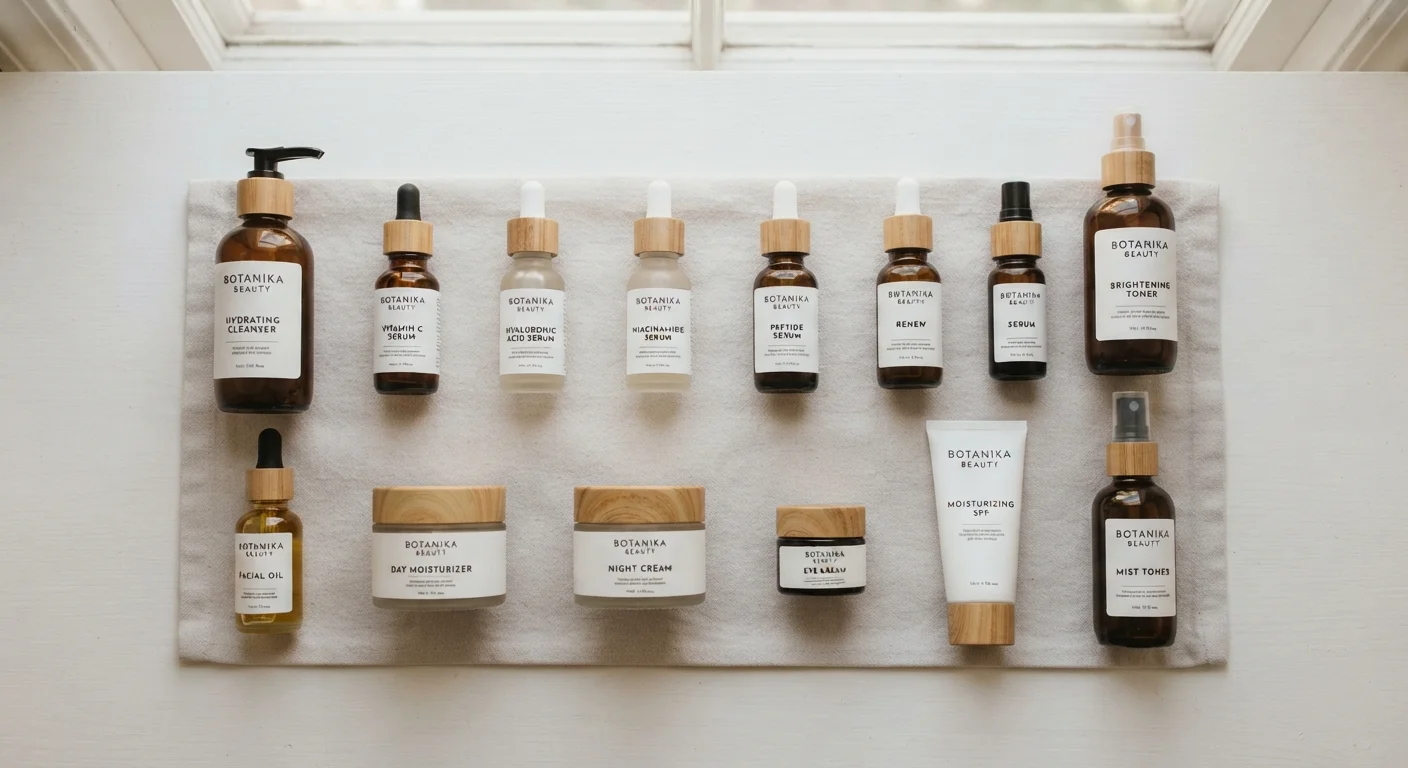
You don't need a ten-step routine to get good results. The steps below work whether you're using three products or seven - the logic stays the same. Gather whatever products are part of your current routine before you start.
What you will need
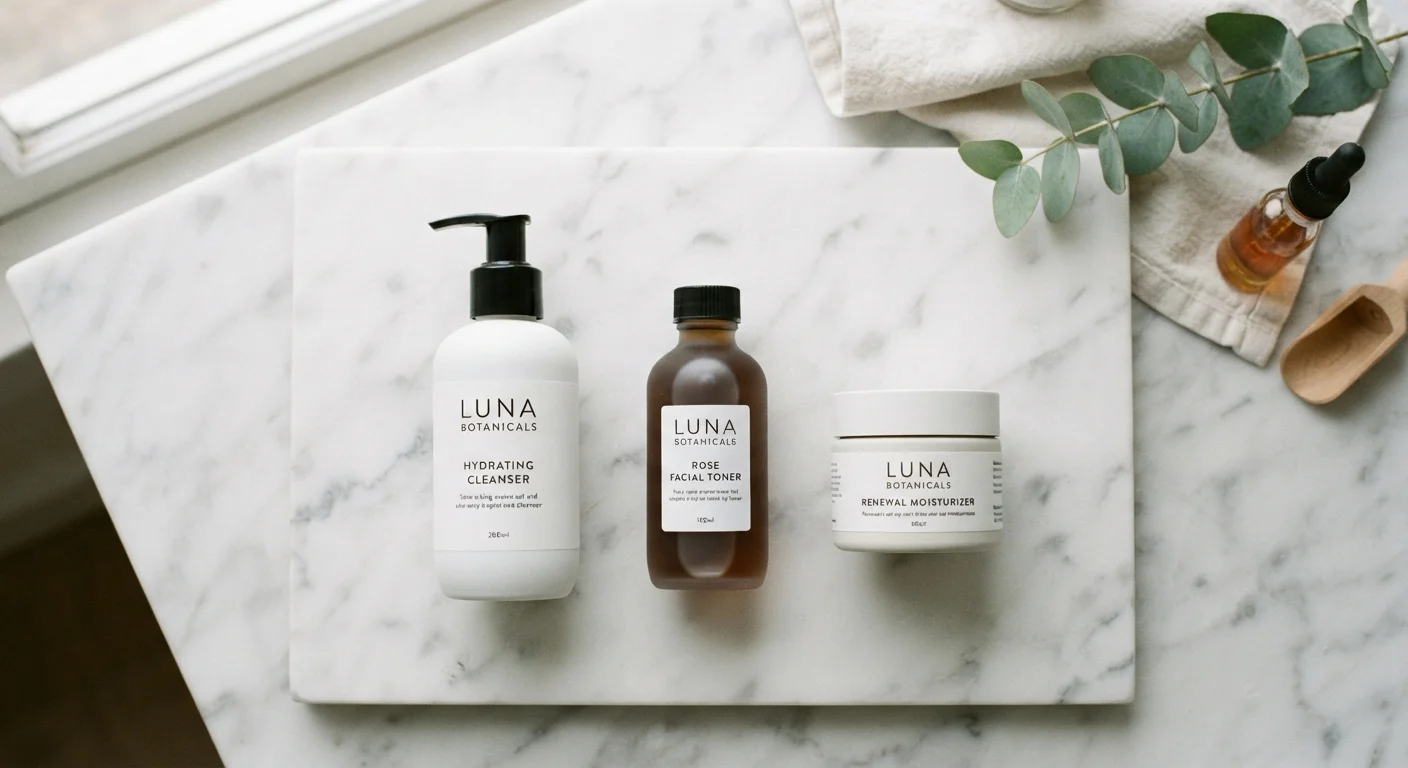
Cleanser
Removes dirt, oil, and makeup so subsequent products can absorb properly.
Toner or essence
Delivers a lightweight layer of hydration or prep ingredients right after cleansing.
Serum or treatment
Delivers concentrated active ingredients (like vitamin C or niacinamide) directly to skin.
Eye cream
Targets the delicate under-eye area with gentler, often richer formulas.
Moisturizer
Seals in earlier layers and supports the skin barrier with hydration.
Sunscreen (SPF 30 or higher)
Protects skin from UV damage - applied last in any morning routine.
Follow These Steps in Order
Work through these steps each morning and evening, adjusting for your specific products. Evening routines skip sunscreen and may include heavier treatments like retinol or richer night creams.
Cleanse your skin
Start with a gentle cleanser suited to your skin type. This clears away surface buildup so your products can actually reach the skin instead of sitting on top of debris. Pat your face dry with a clean towel - don't rub.
Apply toner or essence (if you use one)
Toners and essences go on right after cleansing while skin is still slightly damp. These lightweight liquids prep skin and add the first layer of hydration. Apply with clean hands or a cotton pad, pressing gently rather than wiping.
Layer serums and treatments from thinnest to thickest
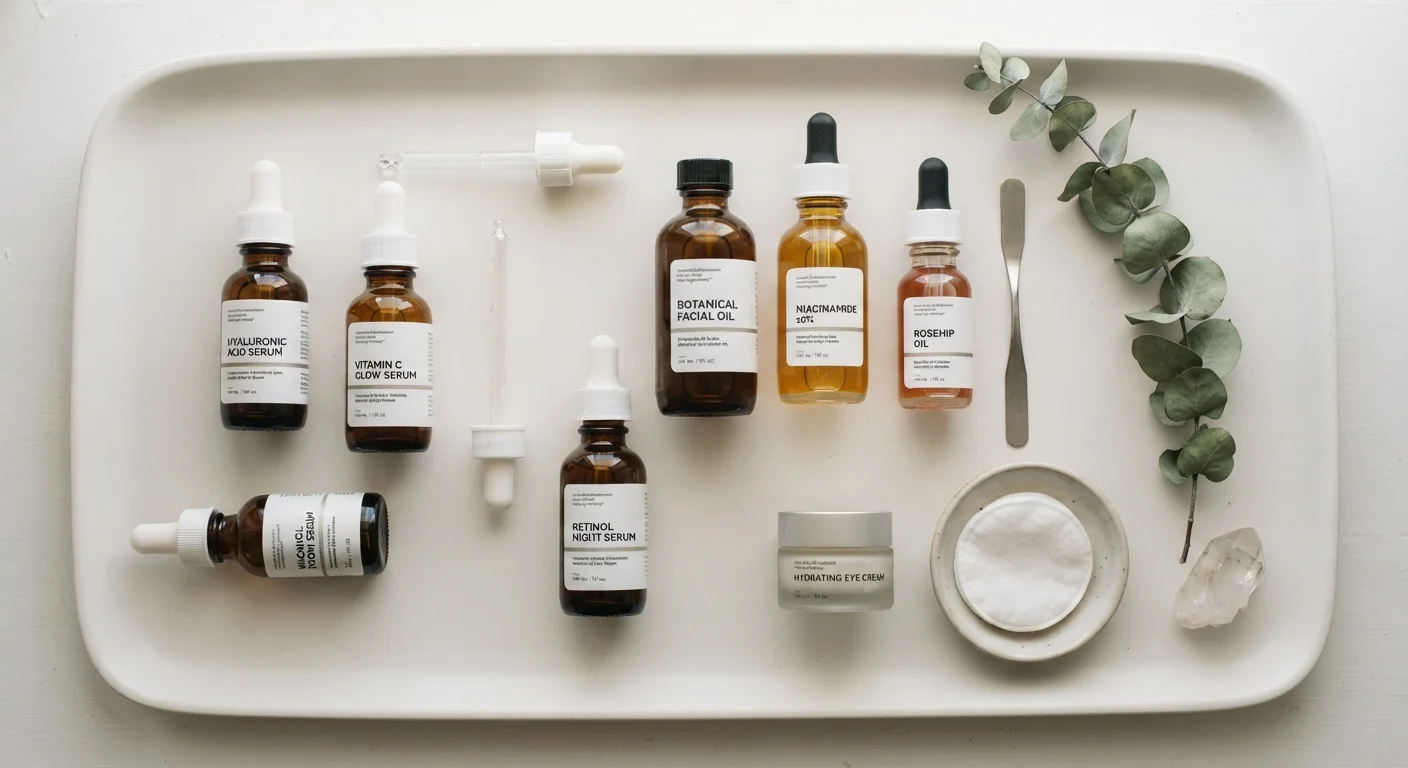
If you use more than one serum, apply the most watery texture first and work up toward thicker gels. Common serum types include vitamin C, niacinamide, hyaluronic acid, and retinol. Allow 30-60 seconds between each one.
Dab on eye cream
Eye creams are typically lighter than face moisturizers but designed for the thin, sensitive skin around the eyes. Use your ring finger to tap gently along the orbital bone - never drag or pull the skin.
Apply moisturizer
Moisturizer acts as the sealing layer that locks in everything applied before it. Use an amount roughly the size of a nickel and press it evenly across your face and neck. This step supports your skin barrier and prevents water loss throughout the day.
Finish with sunscreen (morning only)
In the morning, sunscreen is always the final step. It needs to sit on top of your moisturizer - not underneath - to do its job. Apply generously to your face, neck, and any exposed skin at least two to three minutes before sun exposure.
When in Doubt, Wait It Out
If you're ever unsure whether a product has absorbed fully before the next step, give it a full minute. Rushing through layering is one of the most common reasons people don't see results from otherwise good products. A short pause costs nothing and can make a real difference.
Common Layering Mistakes to Avoid
Even with the right products, a few habits can undermine your results. The most frequent issue is rushing - people apply product after product without giving anything time to absorb, leading to pilling (where products ball up on the skin's surface) and reduced effectiveness.
Another common misstep is applying oil before water-based products. Oils are occlusive, meaning they form a seal. Once that's down, water-based serums can't get through. Always apply oils in the second-to-last position, just before moisturizer.
It's also worth noting that more products don't automatically mean better skin. If your routine feels overwhelming or isn't delivering results, scaling back may help. Our article on the case for a shorter skincare routine explores this honestly. For a structured morning check-in, try the morning routine audit to see where your current sequence might have gaps.
Don't Skip Sunscreen in the Morning
Skipping SPF - even on cloudy days or when working indoors near windows - leaves skin vulnerable to UV damage that accumulates over time. Sunscreen is the last step in your morning routine and arguably the most protective one. No other product in your lineup does this job.
This article is for general informational and educational purposes only and is not a substitute for professional dermatological advice. If you have a skin condition or concerns about a specific ingredient, consult a qualified dermatologist or healthcare provider.