Two Numbers, Two Very Different Jobs
When you look at a health insurance plan, two figures tend to create the most confusion: the deductible and the out-of-pocket maximum. Both affect what you pay for care. But they do completely different things, and mixing them up can lead to real financial surprises.
Think of them as two milestones on the same road. The deductible is where your cost-sharing journey begins. The out-of-pocket maximum is where it ends - at least for the plan year. For a broader look at how these figures sit alongside premiums and copays, see our plain-language health insurance breakdown.
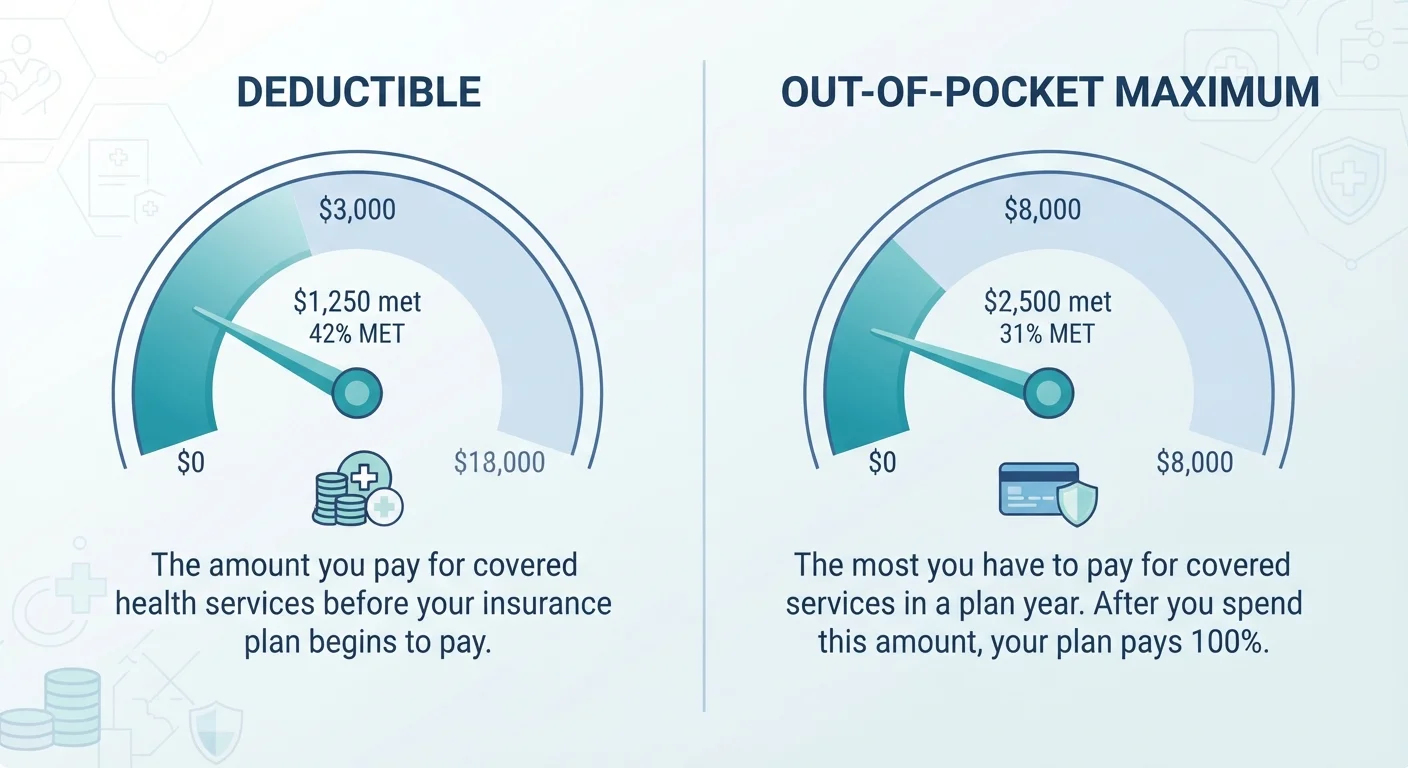
Here is the core distinction: your deductible is a threshold you must meet before insurance starts picking up most costs. Your out-of-pocket maximum is a ceiling - the most you will ever have to pay in a single plan year, no matter how much care you need.
$1,763
Average individual deductible, employer plans
According to KFF's 2023 Employer Health Benefits Survey, the average single-coverage deductible in employer-sponsored plans was approximately $1,763.
$9,450
ACA individual out-of-pocket max limit (2024)
For 2024, the ACA set the maximum out-of-pocket limit at $9,450 for individual coverage in compliant plans sold on the marketplace.
How the Deductible Works
A deductible is the dollar amount you pay entirely on your own before your insurer begins sharing the bill for most covered services. If your deductible is $1,500 and you need a $2,000 procedure, you pay the first $1,500. After that, your insurer typically starts covering a percentage of costs through coinsurance - your share of the bill once the deductible is met.
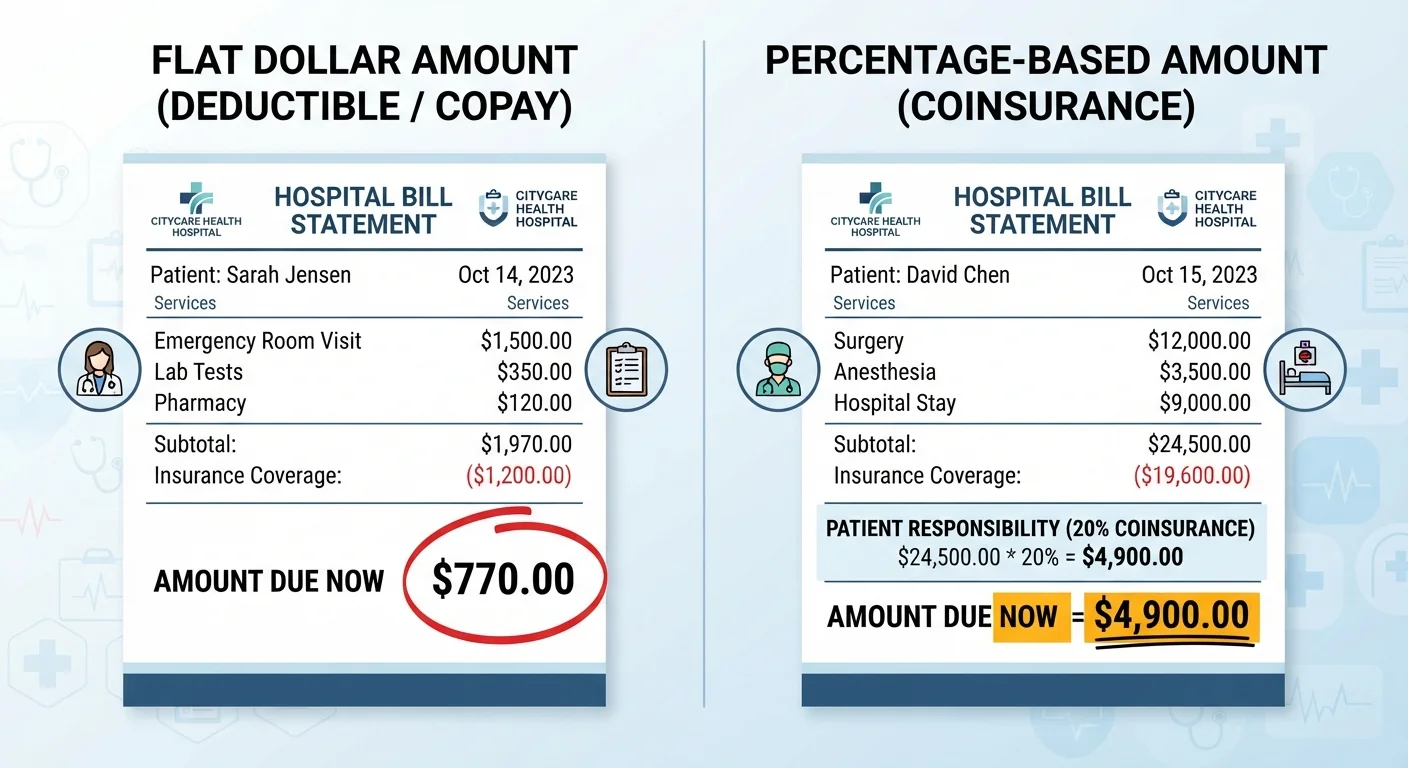
A few important nuances: some services, like preventive care, are often covered before you meet the deductible under many plans, particularly those compliant with the Affordable Care Act. Copays for routine office visits may also apply before the deductible depending on your plan design. Always read your Summary of Benefits and Coverage document to know which services are subject to your deductible. For a deeper look at how copays and coinsurance fit into this picture, see how insurers split the bill with you.
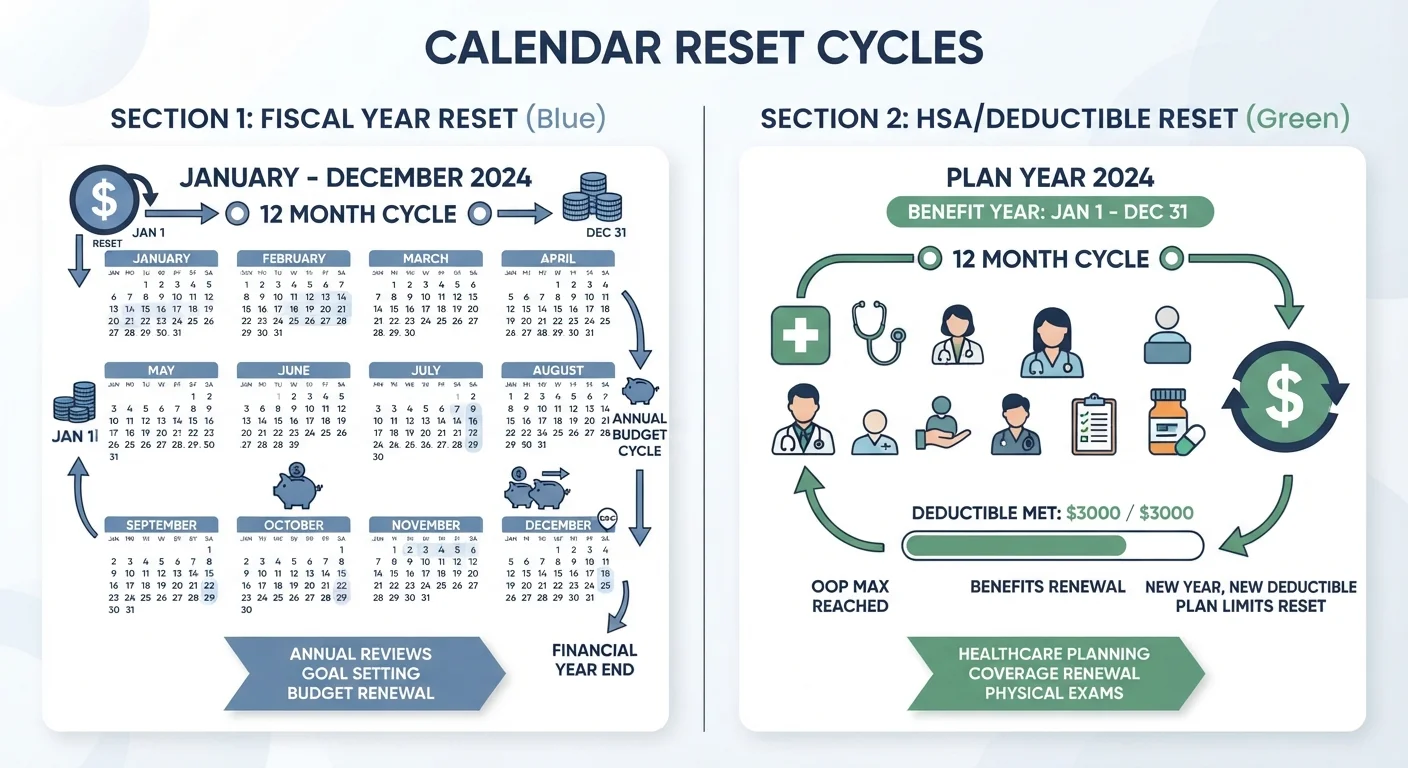
Deductibles typically reset on January 1st each year, though some plans use a different benefit year. If you want to understand how timing affects what you owe, our article on annual vs. per-incident deductibles explains the difference in plain terms.
| Criterion | Deductible | Out-of-Pocket Maximum |
|---|---|---|
| What it is | Amount you pay before insurance shares costs | Annual cap on total cost-sharing you owe |
| When it applies | At the start of care, each plan year | Once deductible + coinsurance + copays accumulate |
| What happens after you hit it | Insurer begins sharing costs (coinsurance kicks in) | Insurer covers 100% of covered in-network costs |
| Does premium count toward it? | No | No |
| Typically higher or lower dollar amount? | Lower (subset of out-of-pocket max) | Higher (includes deductible amount) |
| Primary financial purpose | Shares routine risk with the insured | Protects against catastrophic financial loss |
How the Out-of-Pocket Maximum Works
The out-of-pocket maximum (sometimes called the out-of-pocket limit) is the absolute ceiling on what you can be required to pay for covered services in a plan year. Once you reach it, your insurer covers 100% of covered in-network costs for the remainder of the year.
What counts toward this cap? Generally: your deductible payments, coinsurance, and copays for covered services all accumulate toward the maximum. What does not count? Your monthly premium - the fixed cost you pay to maintain coverage - never applies to either your deductible or your out-of-pocket maximum. Neither do costs for out-of-network providers if your plan does not cover them, or services your plan excludes entirely.
Federal rules set annual limits on how high out-of-pocket maximums can be for plans sold in the individual and small-group markets, though these limits adjust periodically. Employer-sponsored and grandfathered plans may have different rules. Consult your plan documents or a licensed insurance agent for the specifics of your coverage.
For more on why this figure deserves serious attention during enrollment, see how out-of-pocket maximums actually protect you.
Which Number Should You Focus On?
Both figures matter, but they matter differently depending on your situation. If you are generally healthy and expect minimal care in the coming year, the deductible is the number most likely to affect your day-to-day bills. Choosing a higher deductible typically lowers your monthly premium - a trade-off worth examining carefully. Our guide to high-deductible vs. low-deductible plans walks through that trade-off in detail.
If you expect significant medical costs - a planned surgery, ongoing treatment, or a chronic condition - the out-of-pocket maximum becomes the more critical number. It tells you the worst-case amount you need to be financially prepared for. A plan with a lower premium but a very high out-of-pocket maximum can leave you severely exposed in a bad health year.
The smartest approach is to look at both together. Compare them alongside the premium to get a true picture of your potential annual cost. For a fuller framework on how all these costs connect, see what premiums, deductibles, and copays each actually mean.
Family Plans Have Two Sets of Limits
If you have a family plan, there are typically both individual and family deductibles and out-of-pocket maximums. An individual family member's costs stop accumulating once they hit the individual limit, and the entire family's costs stop once they hit the family limit. How these interact - called embedded vs. aggregate deductibles - can significantly affect what individual family members owe. Check your plan documents or ask your insurer to clarify which structure applies.
This article is for general informational and educational purposes only and does not constitute personalized insurance, financial, or legal advice. Coverage terms, costs, and rules vary by plan and state. Always review your actual policy documents and consult a licensed insurance agent or adviser before making coverage decisions.